
Apomecynini
Genus Guides
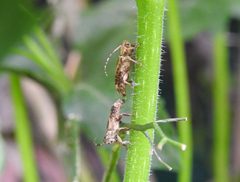
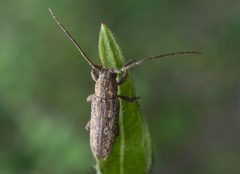
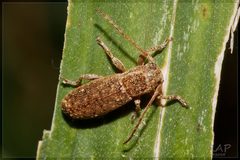
4Apomecynini is a tribe of small, flightless () longhorn beetles within the Lamiinae. Members are commonly associated with leaf litter and subcortical , particularly in the Neotropics. The tribe includes numerous , many of which remain undescribed due to their cryptic lifestyle and small size.
Pronunciation
How to pronounce Apomecynini: /ˌæpoʊmɛˈsɪnɪnaɪ/
These audio files are automatically generated. While they are not always 100% accurate, they are a good starting point.
Identification
(wingless) condition distinguishes Apomecynini from most other cerambycid tribes. Within the tribe, some exhibit diagnostic features: divided , antennomere IV longer than the scape, and lacking vermiculation or tuberculation with elongate third. Size is generally small compared to other Lamiinae.
Images
Habitat
Leaf litter and subcortical . have been documented in montane forests, including cloud forest environments at elevations such as Cofre de Perote mountain.
Distribution
Primarily Neotropical Region. Documented from Mexico (Veracruz: Cofre de Perote mountain; Hidalgo: Xochicoatlán) with broader distribution throughout tropical Americas implied by leaf litter fauna surveys.
Behavior
Flightless due to condition. Associated with ground-dwelling habits in decomposing organic matter and under bark.
Similar Taxa
- Other Lamiinae tribesMost other Lamiinae retain functional wings; Apomecynini distinguished by consistent aptery
- AcanthocininiSome Acanthocinini are small but retain wings; Apomecynini aptery and leaf litter specialization differ
More Details
Taxonomic diversity
The tribe contains numerous undescribed species, particularly in the Neotropics, reflecting limited sampling of leaf litter cerambycid fauna.