
Astyleiopus
Dillon, 1956
Species Guides
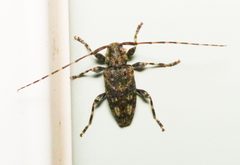
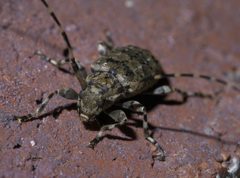
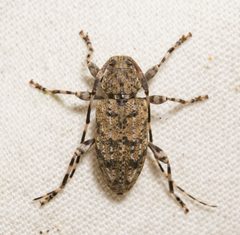
1- Astyleiopus variegatus(Variegated Longhorned Beetle)
Astyleiopus is a of longhorn beetles in the Cerambycidae, established by Dillon in 1956. The genus contains a single , Astyleiopus variegatus. The species has been documented as a wood-boring associated with dead branches of red buckeye (Aesculus pavia) in the southeastern United States.
Pronunciation
How to pronounce Astyleiopus: /ɑːˌstaɪliˈoʊpəs/
These audio files are automatically generated. While they are not always 100% accurate, they are a good starting point.
Identification
As a , identification to genus level requires distinguishing Astyleiopus variegatus from other Acanthocinini. Specific diagnostic features for the genus are not documented in available sources. The single is recognized by its association with the genus name.
Images
Habitat
Based on the sole Astyleiopus variegatus, the is associated with deciduous forest containing red buckeye, specifically rich, moist, east-facing slopes in the southeastern United States.
Distribution
United States, with records from Vermont and the southeastern Ozark Highlands of Missouri. The distribution aligns with that of its documented plant, red buckeye (Aesculus pavia).
Seasonality
have been observed in early spring (April), based on rearing records from wood collected the previous year.
Diet
Larvae are wood-borers; the single known is red buckeye (Aesculus pavia). feeding habits are not documented.
Host Associations
- Aesculus pavia - larval Dead branches; documented in MacRae and Rice 2007 as a new larval record
Life Cycle
Complete with wood-boring larval stage. Larvae develop in dead branches and emerge as the following spring, based on rearing observations.
Behavior
Larvae bore into dead wood of plants. are associated with early spring activity.
Ecological Role
Decomposer; contributes to nutrient cycling through wood decomposition in forest .
Similar Taxa
- Hyperplatys in the same tribe Acanthocinini with similar and ; co-occurs on the same plant
- Leptostylus in the same tribe Acanthocinini; similar wood-boring larval habits and associations
- Lepturges in the same tribe Acanthocinini; co-occurs on red buckeye and shares general
More Details
Taxonomic history
The was established by Dillon in 1956 and remains . The single Astyleiopus variegatus represents a relatively uncommon member of the cerambycid fauna, with limited collection records prior to targeted rearing efforts.
Research significance
The documentation of Astyleiopus variegatus from red buckeye (MacRae and Rice 2007) revealed a previously unknown association and contributed to understanding the geographic limits of both the and its host plant in Missouri.