
Haplidus
LeConte, 1873
Species Guides
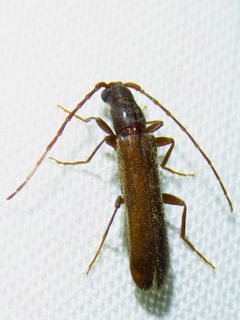
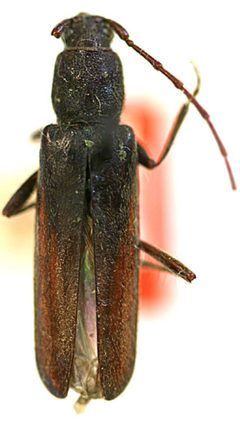
2Haplidus is a of longhorned beetles in the Cerambycidae, Cerambycinae, and tribe Hesperophanini. The genus was established by LeConte in 1873 and contains seven described distributed in North America. Species in this genus are associated with coniferous , particularly pines. Haplidus testaceus, the type species, has been collected from dead Pinus edulis (Colorado pinyon pine) branches, suggesting larval development in dead or dying pine wood.

Pronunciation
How to pronounce Haplidus: /ˈhæplɪdəs/
These audio files are automatically generated. While they are not always 100% accurate, they are a good starting point.
Identification
Haplidus are small to medium-sized cerambycid beetles. Distinguishing features from related in the Hesperophanini are not well documented in available sources. The genus is placed in the subtribe Hesperophanina based on morphological characters. Species-level identification requires examination of specific characters described in the original species descriptions by Chemsak & Linsley (1963, 1964) and LeConte (1873).
Images
Habitat
Pinyon-oak-juniper woodland and associated coniferous forest . Documented collections come from dead or dying pine trees, particularly Pinus edulis (Colorado pinyon pine).
Distribution
Southwestern United States. Documented records include New Mexico, Oklahoma, and Nevada. The appears to be restricted to western North America.
Seasonality
have been observed in May and June. Activity likely coincides with warmer temperatures following spring .
Host Associations
- Pinus edulis - breeding beaten from dead branches; larval galleries present in wood
Behavior
are nocturnally active on tree trunks and fallen branches. One observation documents a mating pair on a fallen Pinus monophylla branch at night. Adults have also been collected by beating dead pine branches during daylight hours.
Ecological Role
Wood-boring whose larvae develop in dead or dying coniferous wood, contributing to decomposition and nutrient cycling in forest .
Similar Taxa
- OemeBoth are in the tribe Hesperophanini and have been collected from similar coniferous ; Oeme are generally larger with different antennal proportions
- SemanotusShares coniferous associations and activity on tree trunks; Semanotus typically has more robust body form and different elytral