
Hesperophanini
Mulsant, 1839
Genus Guides
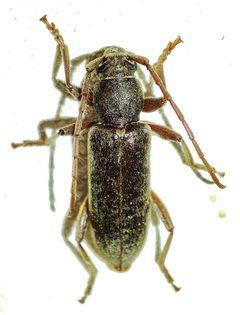
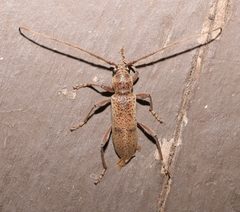
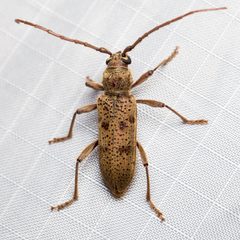
13Hesperophanini is a tribe of longhorn beetles (Cerambycidae) in the Cerambycinae, established by Étienne Mulsant in 1839. The tribe comprises multiple of wood-boring beetles, with over 9,500 observations recorded on iNaturalist. Members share morphological characteristics typical of cerambycine beetles, including elongated bodies and that are often notably long.
Pronunciation
How to pronounce Hesperophanini: /hɛsˌpɛroʊfəˈnaɪniː/
These audio files are automatically generated. While they are not always 100% accurate, they are a good starting point.
Identification
Hesperophanini can be distinguished from related cerambycine tribes by a combination of morphological characters, though precise diagnostic features require examination of specific tribal-level traits in structure, pronotal shape, and elytral . The tribe is distinguished from the related Elaphidiini and other cerambycine tribes by subtle differences in antennal segment proportions and the structure of the male genitalia. Accurate identification to tribe level generally requires dissection and reference to specialized taxonomic literature.
Images
Habitat
Members of Hesperophanini are associated with woody vegetation, where larvae develop in dead or dying wood of various tree and shrub . The tribe occurs across a range of forest and woodland in regions where their plants are present.
Distribution
Hesperophanini has a broad distribution, with representatives recorded across multiple continents based on iNaturalist observations and collection records. The tribe is present in the Nearctic, Neotropical, Palearctic, and Afrotropical regions.
Seasonality
activity periods vary by and geographic region, with most species exhibiting seasonal patterns correlated with temperature and plant . In temperate regions, adults are generally active during the warmer months.
Diet
Larvae are wood-borers that feed on the xylem and phloem of dead or dying woody plants. Specific associations vary by and within the tribe.
Life Cycle
Development follows the typical cerambycid pattern: are deposited in bark crevices or wood, larvae tunnel through wood creating galleries while feeding, occurs within the wood, and emerge to mate and disperse. The duration of the varies considerably among , ranging from one to multiple years depending on climate and wood quality.
Behavior
are generally or , with many attracted to artificial light sources. Adults of some species have been observed feeding on flowers, sap flows, or not feeding at all. Larvae are cryptic, spending their entire developmental period within wood.
Ecological Role
As primary decomposers of dead wood, Hesperophanini contribute to nutrient cycling and carbon release in forest . Their wood-boring activity creates for other saproxylic organisms and accelerates the mechanical breakdown of woody debris.
Human Relevance
Some may occasionally infest seasoned timber or wooden structures, though the tribe is not considered a major economic pest group. The group is of interest to coleopterists and natural historians due to its diversity and taxonomic complexity.
Similar Taxa
- ElaphidiiniAnother large tribe in Cerambycinae with similar general ; distinguished by differences in antennal structure, particularly the presence of spines or on antennomeres in many Elaphidiini, and distinct male genitalia characteristics.
- CallidiiniShares cerambycine features but differs in body proportions and antennal length relative to body, with Callidiini generally having proportionally shorter and more compact body form.
More Details
Taxonomic History
The tribe was erected by French entomologist Étienne Mulsant in 1839 and has undergone various revisions in circumscription. Modern molecular and morphological studies continue to refine the boundaries of Hesperophanini relative to other cerambycine tribes.