Neoelmis
Musgrave, 1935
Species Guides
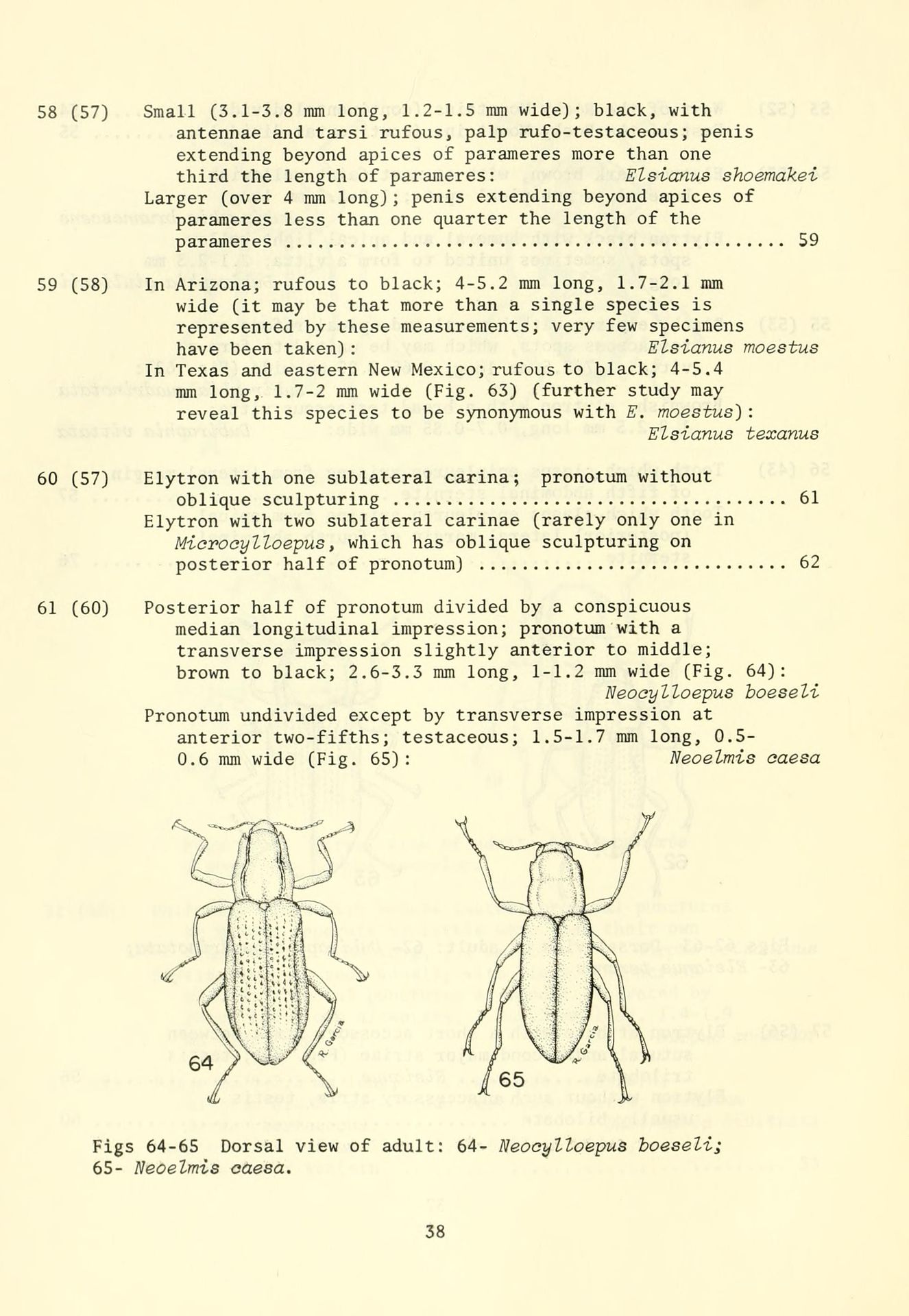
1- Neoelmis caesa(riffle beetle)
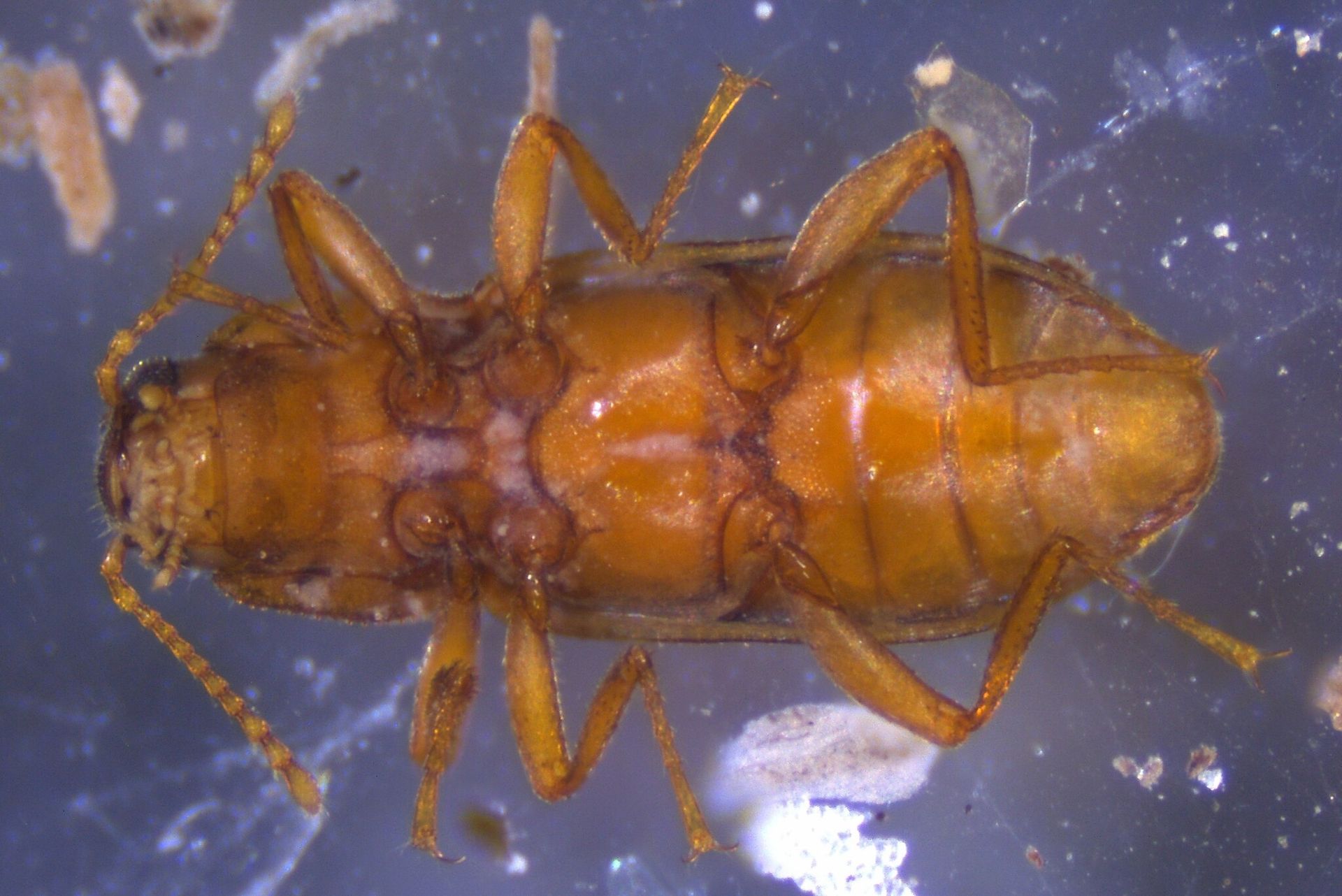
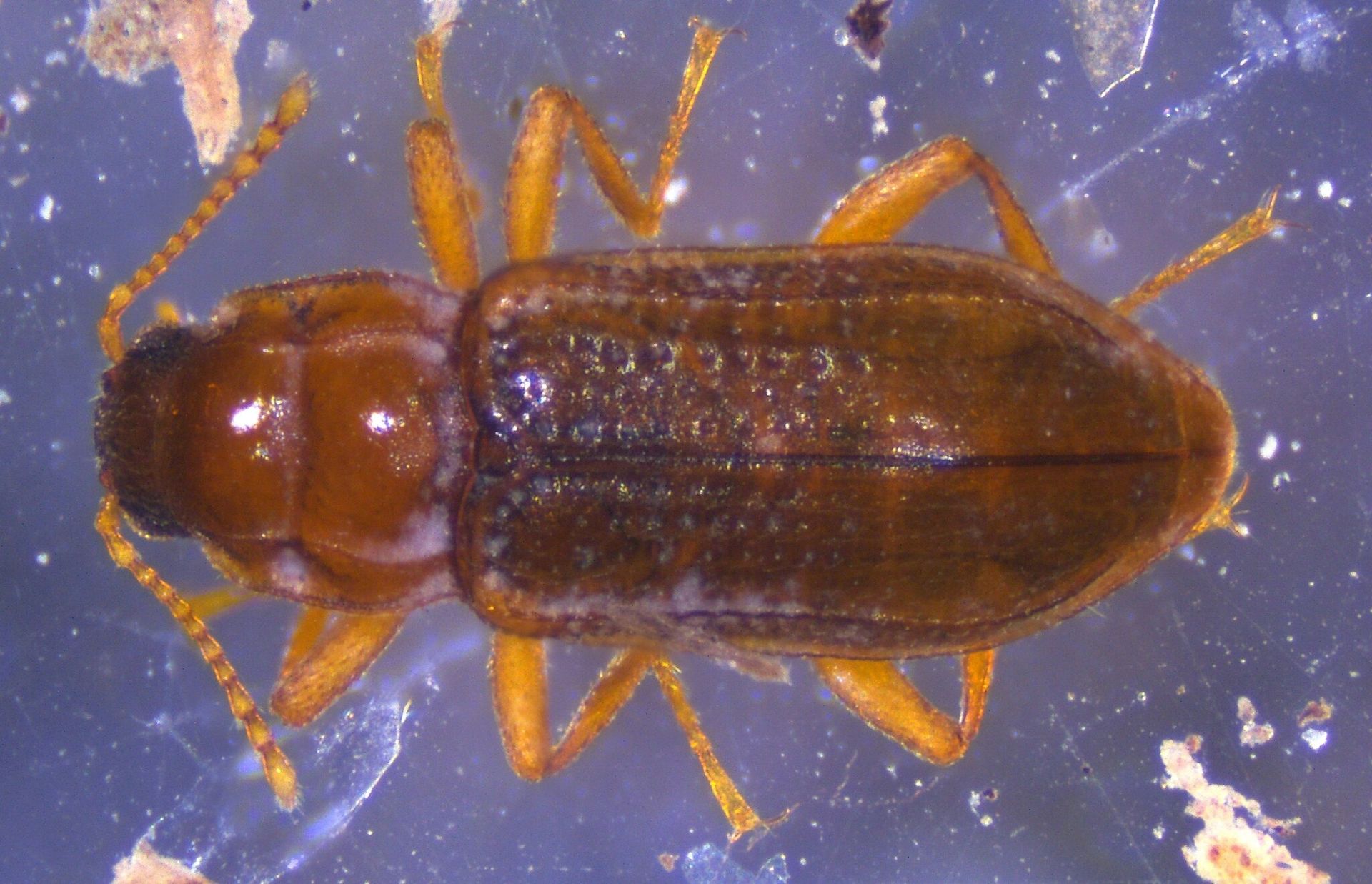
Neoelmis is a of riffle beetles ( Elmidae) containing more than 50 described . The genus was established by Musgrave in 1935. Members of this genus are aquatic beetles inhabiting running water environments. The genus is primarily distributed in South America, with substantial records from Colombia.
Pronunciation
How to pronounce Neoelmis: //niˌoʊˈɛlmɪs//
These audio files are automatically generated. While they are not always 100% accurate, they are a good starting point.
Identification
Neoelmis are distinguished from other elmid by genitalic characters and subtle differences in pronotal and elytral . Species-level identification requires examination of male genitalia and often dissection. As a genus, Neoelmis can be separated from related genera by combinations of characters including the form of the prosternal process, mesoventral structure, and tarsal formula.
Images
Habitat
Flowing freshwater , specifically streams and rivers with rocky or gravel substrates. The 'riffle beetles' reflects their association with shallow, fast-moving water sections. Colombian records indicate presence in quebradas (small streams) at various elevations including páramo regions.
Distribution
South America, with confirmed records from Colombia (departments including Amazonas, Antioquia, Boyacá, Caldas, Caquetá, Casanare, Cauca, Cesar, Chocó, Cundinamarca, Guaviare, Huila, La Guajira, Magdalena, Meta, Nariño, and Putumayo). Specific locality data includes Arcabuco and Tutazá in Boyacá department.
Ecological Role
As aquatic insects in running water systems, Neoelmis contribute to nutrient cycling and serve as indicators of water quality. Their presence reflects well-oxygenated, unpolluted stream conditions.
Human Relevance
Potential use as bioindicators for monitoring stream health and water quality in South American freshwater systems.
Similar Taxa
More Details
Taxonomic history
The was described by Musgrave in 1935 and has since accumulated over 50 described , indicating substantial diversification within South American freshwater systems.
Research status
The remains understudied with many likely undescribed. Most species are known from limited material and geographic data is incomplete for many .