
Hexacylloepus
Hinton, 1940
riffle beetles
Species Guides
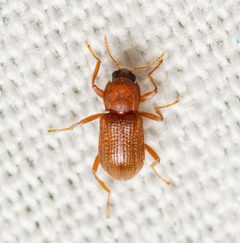
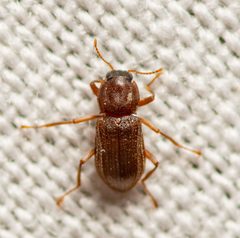
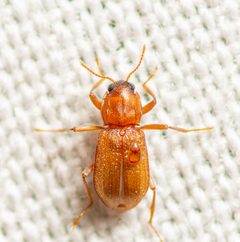
1- Hexacylloepus ferrugineus(Rusty Riffle Beetle)
Hexacylloepus is a of riffle beetles in the Elmidae, established by Hinton in 1940. The genus contains approximately 19 described . As with other elmid beetles, members of this genus are associated with aquatic , particularly flowing water systems.
Pronunciation
How to pronounce Hexacylloepus: /hɛkˌsɪloʊˈipəs/
These audio files are automatically generated. While they are not always 100% accurate, they are a good starting point.
Identification
Distinguished from other elmid by the combination of six visible abdominal ventrites and specific tarsal segment reductions, as indicated by the genus name. Detailed -level identification requires examination of male genitalia and other fine morphological characters.
Images
Habitat
Associated with lotic freshwater systems, particularly riffle zones of streams and rivers. Larvae are aquatic and require well-oxygenated water with rocky or gravel substrates.
Distribution
Life Cycle
Complete with , larval, pupal, and stages. Larvae are fully aquatic, while adults are semi-aquatic or riparian, capable of remaining submerged using respiration.
Behavior
are known to walk underwater against current rather than swimming. Both life stages are strongly associated with the benthic zone of fast-flowing streams.
Ecological Role
Larvae and contribute to nutrient cycling in headwater stream through grazing and detritivory. Serve as indicators of high water quality due to sensitivity to hypoxia and pollution.
Human Relevance
Used as bioindicators for monitoring stream health and water quality. No direct economic importance.
Similar Taxa
- CylloepusSimilar of riffle beetles distinguished by having five visible abdominal ventrites rather than six.
- MacrelmisAnother elmid with overlapping distribution; separated by differences in tarsal formula and body proportions.
More Details
Etymology
The name refers to the six visible abdominal ventrites (sternites), a diagnostic character distinguishing it from related genera.
Taxonomic history
Established by Hinton in 1940 based on morphological characters of the and larval stages. The has undergone limited revision since its original description.