
Dorcatomini
Genus Guides
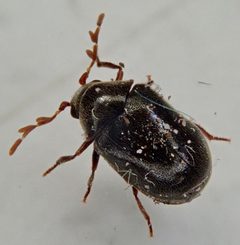
3Dorcatomini is a tribe of beetles within the Ptinidae (spider beetles and relatives). The tribe comprises at least 11 and approximately 50 described . Members of this group are small to minute beetles associated with dead wood, fungal fruiting bodies, and other decaying organic matter. The tribe is distributed across multiple continents with greatest diversity in temperate and subtropical regions.
Pronunciation
How to pronounce Dorcatomini: //dɔrˈkætəˌmaɪnaɪ//
These audio files are automatically generated. While they are not always 100% accurate, they are a good starting point.
Identification
Dorcatomini can be distinguished from other ptinid tribes by a combination of characters: body form generally compact and somewhat cylindrical; antennal club typically with three segments; pronotum often with distinct lateral margins; and frequently with punctate or surface sculpturing. Members lack the pronounced humped of some related ptinid groups. Identification to level requires examination of male genitalia, tarsal formula, and detailed antennal structure.
Images
Habitat
in Dorcatomini inhabit decaying wood, bracket fungi, polypore fruiting bodies, and other decomposing plant matter. Some species have been recorded from stored products and human-associated environments. range from forested areas with abundant dead wood to more settings.
Distribution
Diet
Larvae feed on decaying wood, fungal mycelium, and fruiting bodies of polypore fungi. Some have been reared from bracket fungi (Basidiomycota). The precise nutritional requirements of most species remain undocumented.
Host Associations
- polypore fungi - larval food sourcebracket fungi (Basidiomycota)
- decaying wood - and food sourcesoft or punky wood, often with fungal decay
Life Cycle
Complete with , larva, pupa, and stages. Larvae are the primary feeding stage and develop within substrate. Developmental timing varies by and environmental conditions; multiple per year may occur in favorable conditions.
Behavior
are cryptic and often found in association with larval . Many are capable of . Activity patterns are poorly documented but adults have been collected throughout the growing season in temperate regions.
Ecological Role
Decomposers that contribute to nutrient cycling in forest through consumption of dead wood and fungal tissue. May serve as prey for other in decaying wood microhabitats.
Human Relevance
Some occasionally occur in stored products, museums, or buildings where fungal decay is present. Not considered significant pests. Presence may indicate moisture problems or fungal growth in structures.
Similar Taxa
- PtininiSimilar -level characters; distinguished by antennal structure and body proportions
- XyletininiOverlapping use in dead wood; Xyletinini generally have different antennal club structure and more elongate body form
- ErnobiiniRelated ptinid tribe; Ernobiini often have more convex body shape and different pronotal characteristics
More Details
Taxonomic History
Dorcatomini has undergone multiple taxonomic revisions. The tribe was traditionally placed in Anobiidae, but modern classifications based on molecular and morphological data place it in Ptinidae. Generic limits remain under study, with some known from few specimens.
Collection and Study
Members of Dorcatomini are frequently overlooked due to small size and cryptic habits. Specimens are most commonly collected by rearing from fungal fruiting bodies or dead wood, or by sifting forest litter and decaying material.