
Xyletinini
Gistel, 1848
Xyletinini
Genus Guides
4- Euvrilletta
- Vrilletta
- Xyletinus
- Xyletomerus(death-watch and spider beetles)
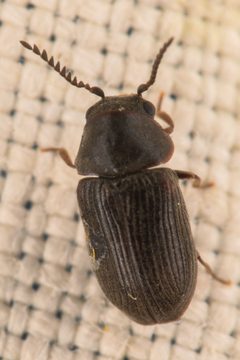
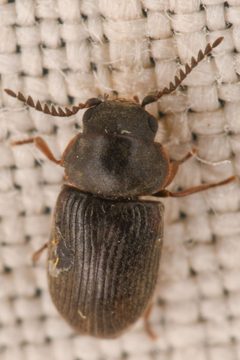
Xyletinini is a tribe of beetles in the Ptinidae, commonly known as death-watch and spider beetles. The tribe was established by Gistel in 1848 and contains at least 10 and approximately 70 described . Xyletinini belongs to the Xyletininae within the superfamily Bostrichoidea. Member genera include Xyletinus, Vrilletta, Euvrilletta, and others.
Pronunciation
How to pronounce Xyletinini: //zaɪləˈtɪnɪnaɪ//
These audio files are automatically generated. While they are not always 100% accurate, they are a good starting point.
Identification
Xyletinini can be distinguished from other tribes in Xyletininae by morphological features consistent with the Ptinidae , including compact bodies and with a distinct club. The tribe contains with varied forms, from the elongate Xyletinus to the more compact Vrilletta. Definitive tribal-level diagnostic characters require examination of male genitalia and other internal structures.
Images
Habitat
Distribution
Diet
Larvae feed on decaying wood, dead plant material, and related organic matter. Some have been recorded from stored products and dried goods. The specific diet of most species remains undocumented.
Life Cycle
Development occurs through complete with , larval, pupal, and stages. Larvae are typically found in their food substrate. Specific timing varies by and environmental conditions.
Behavior
are generally and cryptic. Some in related groups produce audible tapping sounds, though this has not been specifically documented for Xyletinini members. Adults are often found in dark, undisturbed locations.
Ecological Role
Xyletinini function as decomposers in forest and woodland , breaking down dead wood and plant material. They contribute to nutrient cycling and wood decay processes. Some species occur in environments.
Human Relevance
Some are minor pests of stored products, wooden materials, and dried goods. The Xyletinus includes species occasionally found in buildings. They are not considered major economic pests.
Similar Taxa
- PtininiAnother tribe in Ptinidae; Xyletinini differs in tribal-level morphological characters and is classified in Xyletininae rather than Ptininae
- DryophiliniTribe in Ptinidae with similar habits; distinguished by different genitalic and antennal structure
More Details
Taxonomic history
Xyletinini was established by Gistel in 1848. The classification of Ptinidae has undergone significant revision, with Xyletinini previously treated in different placements. Current classification places the tribe in Xyletininae based on molecular and morphological data.
Data sources
records are supported by ITIS, Catalogue of Life, GBIF, and BugGuide.net. The tribe contains approximately 70 described across 10 genera, though species-level diversity remains incompletely documented.