
Caenocara
C.G. Thomson, 1859
puffball beetles
Species Guides
5- Caenocara bicolor(puffball beetle)
- Caenocara blanchardi(desert cockroach)
- Caenocara oculatum
- Caenocara scymnoides(Cub Puffball Beetle)
- Caenocara tenuipalpum(desert cockroach)
Caenocara is a of small beetles in the Ptinidae ( Dorcatominae), commonly known as puffball beetles. The genus was established by C.G. Thomson in 1859. Members are associated with fungi, particularly puffball mushrooms, which serve as their primary and food source. The genus has been documented across northern Europe including Denmark, Norway, and Sweden.
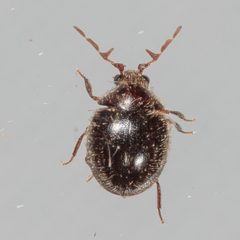
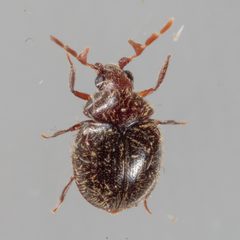
Pronunciation
How to pronounce Caenocara: /siːnəˈkɛrə/
These audio files are automatically generated. While they are not always 100% accurate, they are a good starting point.
Images
Habitat
Associated with fungi, particularly puffball mushrooms (Lycoperdaceae and related ). Inhabits the fruiting bodies of these fungi, where larvae develop and may be found.
Distribution
Recorded from Denmark, Norway, and Sweden. Distribution likely broader in northern and temperate Europe given the widespread occurrence of fungi.
Diet
Larvae and feed on fungal tissue within puffball mushrooms. Specific dietary details at the level are not well documented.
Host Associations
- Lycoperdaceae - and food sourcepuffball mushrooms
Life Cycle
Larvae develop within the fruiting bodies of puffball fungi. emerge from the fungal substrate. Specific details on -laying, larval instars, and are not well documented for most .
Ecological Role
Decomposer; contributes to the breakdown of fungal fruiting bodies, facilitating nutrient cycling in forest and grassland .
Human Relevance
Occasional nuisance when puffballs in gardens or lawns are infested. No significant economic or medical importance documented.
Similar Taxa
- DorcatomaAlso in Dorcatominae and associated with fungi; distinguished by subtle differences in antennal structure and body proportions
- Cis Ciidae (minute tree-fungus beetles); similar size and fungivorous habit but distinguished by different antennal club structure and association with bracket fungi rather than puffballs
More Details
Family placement
Caenocara has been placed in both Ptinidae and Anobiidae in different taxonomic treatments. Current consensus places it in Ptinidae, Dorcatominae, though some sources retain Anobiidae usage.
Etymology
The 'puffball beetles' directly reflects the obligate association with puffball fungi (Lycoperdaceae).