
Mesonoterus
Sharp, 1882
Species Guides
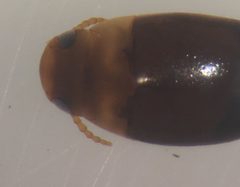
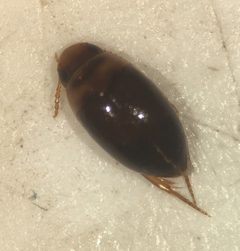
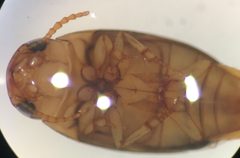
1Mesonoterus is a of predaceous diving beetles in the Noteridae, established by David Sharp in 1882. The genus contains four described distributed in the Neotropical region, with records primarily from northern South America. Members of this genus are small aquatic beetles associated with freshwater .
Pronunciation
How to pronounce Mesonoterus: /miːsəʊˈnəʊtərəs/
These audio files are automatically generated. While they are not always 100% accurate, they are a good starting point.
Identification
Distinguished from other Noteridae by features of the male genitalia and antennal structure; M. crassicornis and M. grandicornis are notably characterized by their enlarged, thickened male . The genus can be separated from related genera by the combination of: prosternal process , elytral punctation pattern, and the structure of the male lobe. -level identification requires examination of male genitalia and antennal proportions.
Images
Habitat
Freshwater aquatic environments; recorded from marshes and wetlands (e.g., Ciénaga San Silvestre, a marsh system in Colombia). Specific microhabitat preferences within water bodies are not documented.
Distribution
Neotropical region, with confirmed records from Colombia (departments of Arauca, Atlántico, Bolívar, Chocó, Meta, and Putumayo). The likely occurs more broadly in northern South America based on continuity, but published records are limited to Colombia.
Ecological Role
Presumed aquatic as member of Noteridae; specific ecological functions undocumented.
Similar Taxa
- NoterusClosely related in same tribe Noterini; differs in prosternal process shape and male genitalia structure
- HydrocanthusAnother noterine with superficially similar small, rounded body form; distinguished by antennal club structure and elytral striation pattern
More Details
Species Composition
The contains four described : Mesonoterus laevicollis Sharp, 1882 (type species), M. crassicornis (Régimbart, 1889), M. grandicornis (Régimbart, 1899), and M. addendus (Blatchley, 1920). The specific epithets crassicornis and grandicornis refer to the thickened of males in these species.
Taxonomic History
Sharp established the in 1882 based on specimens from Colombia. The genus has remained small and stable in composition, with no recent synonymies or major revisions published.