
Peltodytes simplex
(LeConte, 1852)
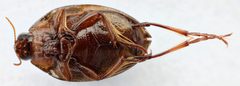
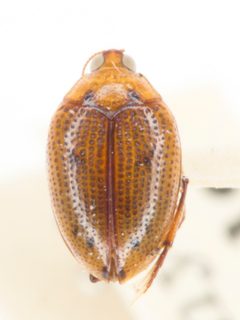
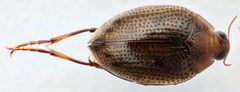
Peltodytes simplex is a of crawling water beetle in the Haliplidae, first described by LeConte in 1852. It is one of approximately 20 species in the Peltodytes, which are characterized by their association with aquatic and distinctive morphological adaptations for swimming. The species occurs in North America and Middle America, though detailed biological information remains limited in published literature.
Pronunciation
How to pronounce Peltodytes simplex: //ˌpɛltoʊˈdaɪtiːz ˈsɪmplɛks//
These audio files are automatically generated. While they are not always 100% accurate, they are a good starting point.
Identification
Peltodytes simplex can be distinguished from by examination of male genitalia and subtle differences in elytral punctation and color pattern. The lacks the more elaborate elytral markings seen in some other Peltodytes species. Accurate identification typically requires reference to original species descriptions or diagnostic keys covering the .
Images
Appearance
Members of the Peltodytes are small to medium-sized beetles, typically 4-7 mm in length. They possess broadly oval and convex body forms, with hind legs modified for swimming bearing dense fringes of setae. The are often patterned with yellowish or reddish markings on a darker background. Peltodytes can be distinguished from other haliplid genera by the presence of a distinct sutural on the elytra and the structure of the prosternal process.
Habitat
Aquatic environments including ponds, slow-moving streams, and marshy areas with abundant vegetation. Haliplid beetles are generally associated with shallow, vegetated waters where they can cling to submerged plants.
Distribution
Recorded from North America and Middle America. Specific collection localities include the United States and Mexico, though precise range boundaries are not well documented in available sources.
Behavior
Haliplidae are crawling water beetles that are capable swimmers but more commonly cling to vegetation rather than actively swimming in open water. They are capable of and may disperse between aquatic .
Similar Taxa
- Peltodytes edentulusSimilar size and general appearance; distinguished by differences in male genitalia and elytral punctation patterns
- Peltodytes lengiOverlapping distribution and preferences; requires examination of prosternal structure and genitalia for separation
- Haliplus speciesMembers of related Haliplus share aquatic habits and general body form; distinguished by absence of sutural on and different prosternal structure
More Details
Taxonomic Note
The Peltodytes was established by Régimbart in 1878 and has undergone limited taxonomic revision in recent decades. -level relies heavily on male genitalic characters.
Data Limitations
Available sources provide minimal -specific information for P. simplex. Most ecological and biological data attributed to this species in general references actually pertain to the Peltodytes as a whole.