
Haliplus fulvus
(Fabricius, 1801)
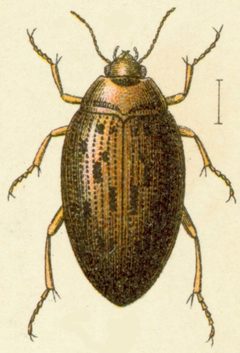
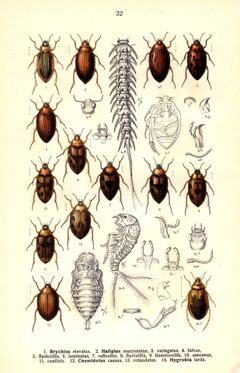
Haliplus fulvus is a of crawling water beetle in the Haliplidae, widely distributed across Europe and North America. are small beetles measuring 3.8–4.2 mm in length. The species is associated with aquatic and has a holarctic distribution pattern.
Pronunciation
How to pronounce Haliplus fulvus: /ˈhæləpləs ˈfʊlvəs/
These audio files are automatically generated. While they are not always 100% accurate, they are a good starting point.
Identification
Distinguished from other Haliplidae by its small size (3.8–4.2 mm) and likely coloration. Specific diagnostic features separating it from such as Haliplus fluviatilis or Haliplus obliquus would require examination of genitalia, punctation patterns, and leg .
Images
Habitat
Aquatic environments including ponds, lakes, and slow-moving waters with vegetation. As a crawling water beetle, it inhabits shallow water margins and submerged vegetation.
Distribution
Holarctic distribution encompassing Europe, North America, and parts of Africa. Present across Europe and Northern Asia (excluding China), with established in both the Palearctic and Nearctic regions.
Behavior
Crawling water beetles are active swimmers and among aquatic vegetation. likely overwinter and are active during warmer months, though specific behavioral observations for this are limited.
Ecological Role
Member of aquatic in freshwater . Likely contributes to nutrient cycling and serves as prey for larger aquatic .
Human Relevance
Not known to be of direct economic importance. Occasionally encountered in freshwater biological surveys and biodiversity assessments.
Similar Taxa
- Haliplus fluviatilisSimilar size and preferences; distinguished by subtle differences in elytral punctation and male genitalia
- Haliplus obliquusOverlapping distribution in North America; requires examination of pronotal and elytral characters for positive identification
More Details
Sources and further reading
- BugGuide
- Wikipedia
- GBIF taxonomy match
- iNaturalist taxon
- NCBI Taxonomy
- Managing Insect Pests of Texas Sunflowers - AgriLife Extension Entomology
- Meloidae Holdings | Entomology Research Museum
- Bug Eric: Wasp Wednesday: Pachysomoides fulvus
- Bug Eric: September 2011
- reintroduction | Blog
- Bug Eric: More Insects From Sunflowers