
Clarkhydrus
Fery & Ribera, 2018
Species Guides
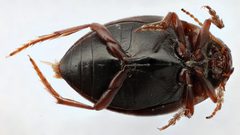
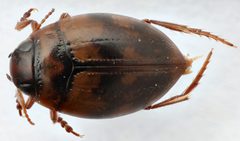
6Clarkhydrus is a of diving beetles in the Dytiscidae, established in 2018 by Fery & Ribera. The genus was erected to accommodate previously placed in related genera within the subtribe Deronectina. As a member of the Hydroporinae, these beetles are small to medium-sized aquatic . The genus is relatively recently described, and research on its species-level diversity and is ongoing.
Pronunciation
How to pronounce Clarkhydrus: /klarkˈhiːdrəs/
These audio files are automatically generated. While they are not always 100% accurate, they are a good starting point.
Identification
Clarkhydrus can be distinguished from other Deronectina by combinations of male genitalic characters, particularly the structure of the , and by subtle differences in elytral and body proportions. The genus was separated from related primarily through phylogenetic analysis and detailed morphological study of the male reproductive structures. Identification to level requires examination of genitalia and often dissection.
Images
Habitat
in this inhabit freshwater aquatic environments, including streams, rivers, and associated . As with other Hydroporinae, they are typically found in lotic (flowing water) systems rather than standing water.
Distribution
The occurs in the Palearctic region, with distributions centered in Europe and western Asia. Specific range boundaries for individual species within the genus require further documentation.
Ecological Role
As predatory diving beetles, in this function as of small aquatic in freshwater . They contribute to nutrient cycling and serve as prey for larger aquatic and terrestrial predators.
Similar Taxa
- DeronectesClarkhydrus was separated from Deronectes based on male genitalic and phylogenetic analysis; were historically classified within Deronectes
- StictotarsusBoth belong to Deronectina and share similar body forms and preferences; distinguished by genitalic and subtle external morphological characters
More Details
Taxonomic History
Clarkhydrus was erected in 2018 to resolve paraphyly issues within Deronectes. The honors Dr. Harry E. Clark for his contributions to the study of Dytiscidae.