Copelatus chevrolati
Aubé, 1838
Chevrolat's Dytiscid
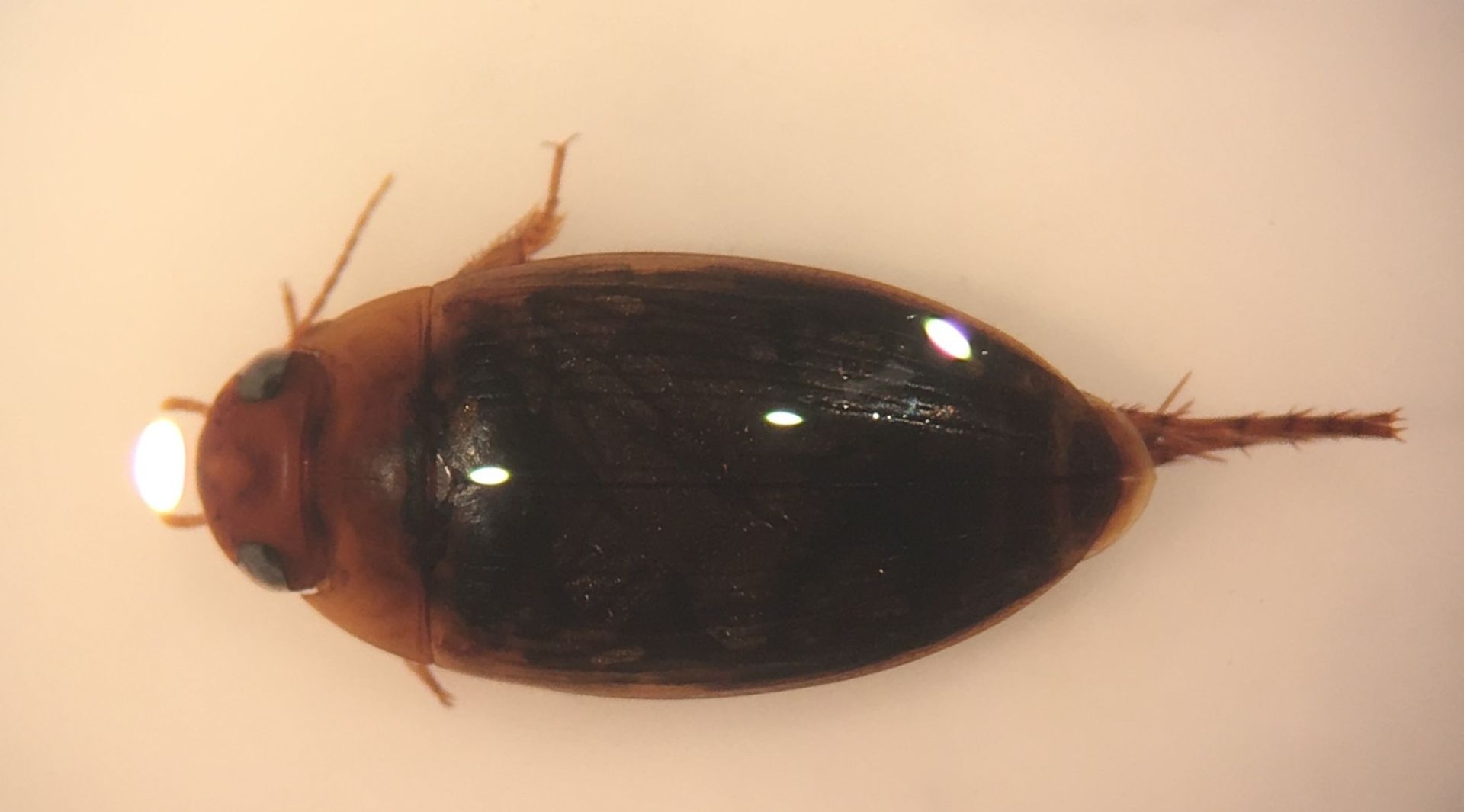
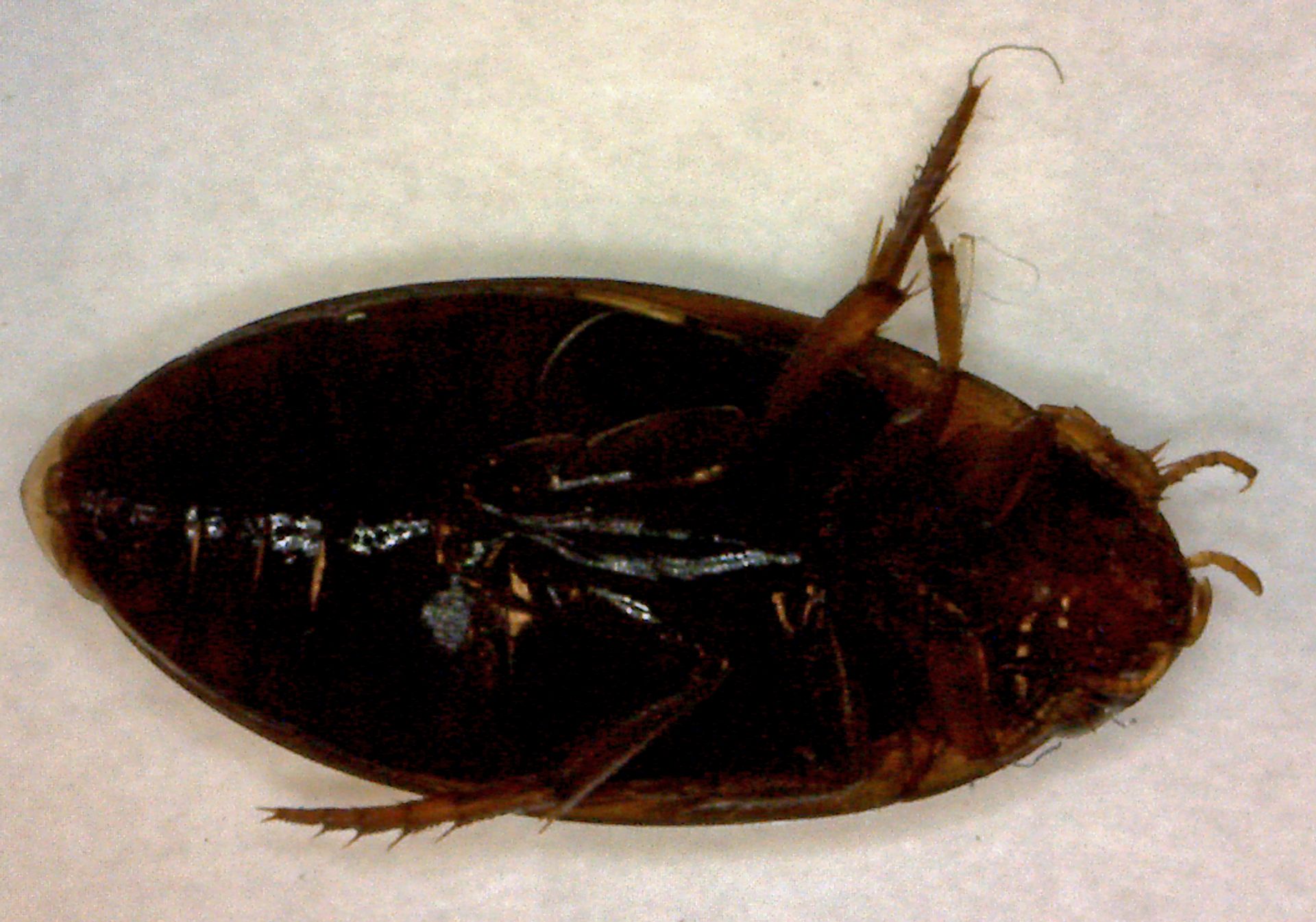
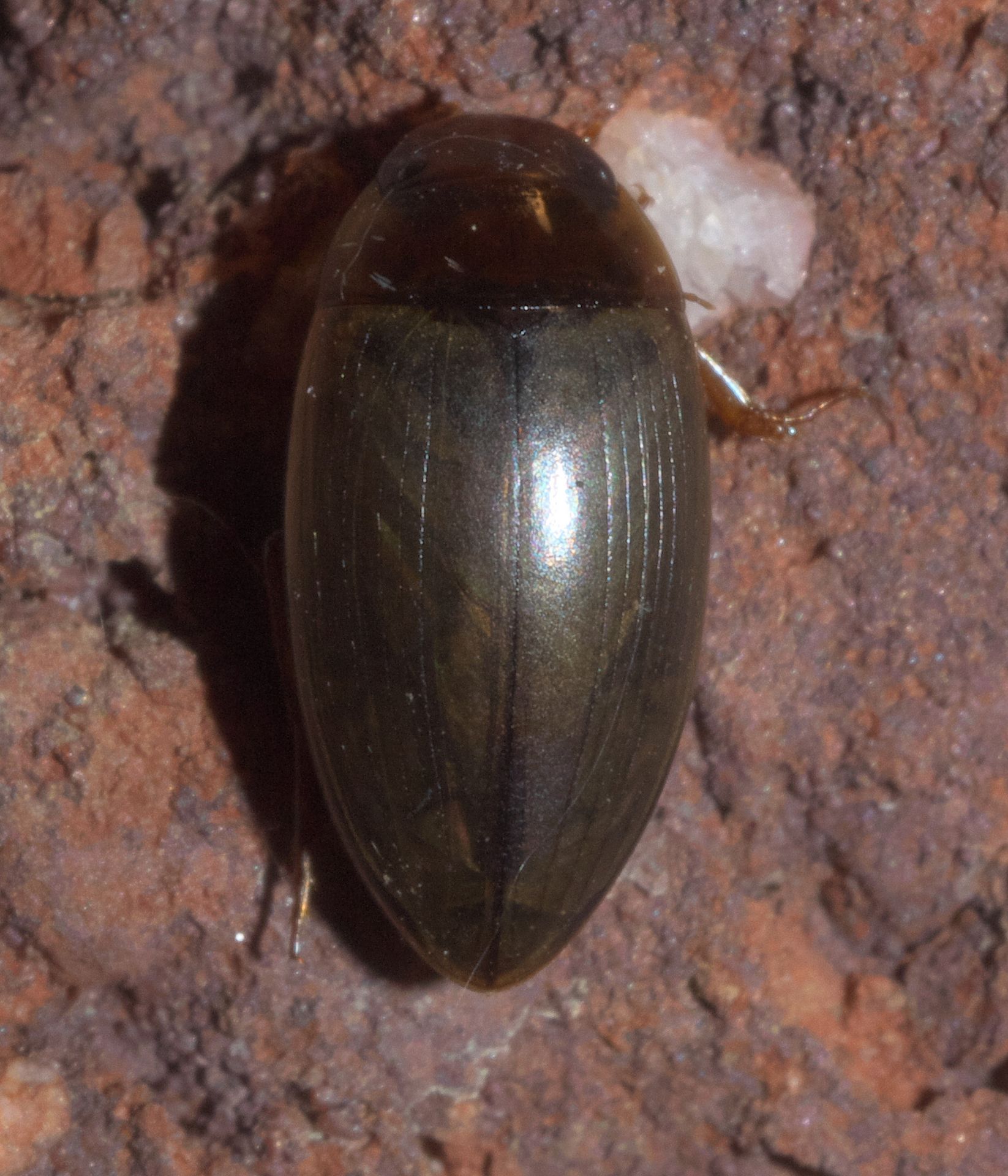
Copelatus chevrolati is a small diving in the Dytiscidae, Copelatinae. measure 5.3–6.7 mm in length and 2.6–3.1 mm in width, with coloration ranging from pale to dark reddish brown. The is distinguished from other North American Copelatus by having 8 or 9 discal on the . Two are recognized: the eastern C. c. chevrolati and the western C. c. renovatus. The species has been recorded across the southern and central United States and was recently documented from Cuba, representing a significant range extension.
Pronunciation
How to pronounce Copelatus chevrolati: /ˌkoʊpəˈleɪtəs ˌʃɛvrəˈlɑːtiː/
These audio files are automatically generated. While they are not always 100% accurate, they are a good starting point.
Identification
Distinguished from other North American Copelatus by the presence of 8 or 9 discal on the . Most similar species have different numbers of striae. The two show geographic separation: C. c. chevrolati in the eastern portion of the range, C. c. renovatus in the western portion. Specimens from Cuba require careful comparison with Florida to confirm identification.
Images
Appearance
Small diving with oval, streamlined body. Length 5.3–6.7 mm, width 2.6–3.1 mm. Color pale reddish brown to darker reddish brown. with 8 or 9 distinct discal (longitudinal grooves), a diagnostic feature separating it from other North American Copelatus . Body form typical of diving beetles, with hind legs modified as flattened, oar-like swimming appendages bearing dense fringes of setae.
Habitat
Aquatic including ponds, lakes, streams, and other freshwater bodies. Specific microhabitat preferences within water bodies are not well documented. The has been collected in light traps near aquatic habitats, suggesting activity.
Distribution
North America: southern and central United States from North Carolina west to California and Texas, and from Florida north to South Dakota and Michigan, with records from southern Ontario. Cuba: first recorded from Isla de La Juventud in 2016, representing a significant Caribbean range extension. The C. c. renovatus occupies the western portion of the North American range, while C. c. chevrolati occupies the eastern portion.
Diet
Predatory, as typical for Dytiscidae, but specific prey items have not been documented for this .
Life Cycle
Complete with , larval, pupal, and stages. Larvae are aquatic . Specific details of development time, voltinism, and stage are not documented.
Behavior
activity indicated by capture in light traps. are capable of flight and have been documented dispersing to light sources at night. Swimming typical of diving beetles, using modified hind legs as paddles.
Ecological Role
Aquatic in freshwater . Likely contributes to regulation of in ponds and streams. Specific ecological functions and interactions have not been studied.
Human Relevance
No documented economic importance. Occasionally collected by entomologists and appears in biodiversity surveys. The 2016 Cuban record highlights its value for documenting faunal exchange between North America and the Caribbean.
Similar Taxa
- Other Copelatus species in North AmericaDistinguished by number of discal ; C. chevrolati has 8–9 striae while typically have different counts
- C. c. renovatus (western subspecies)Geographically separated from nominate ; morphological differences subtle and require detailed examination
More Details
Taxonomic history
Described by Aubé in 1838. The two were described based on geographic variation across the broad North American range. The Cuban record (2016) was unexpected and may represent natural or human-mediated introduction.
Research needs
, , and remain virtually unknown. No studies have addressed larval development, , requirements, or conservation status.
Sources and further reading
- BugGuide
- Wikipedia
- GBIF taxonomy match
- iNaturalist taxon
- NCBI Taxonomy
- Catalogue of Life
- Sunday scarab: Phileurus valgus | Beetles In The Bush
- Season Finale | Beetles In The Bush
- January | 2014 | Beetles In The Bush
- Acanthaceae | Beetles In The Bush
- First record of the diving beetle Copelatus chevrolati Aubé, 1838 in Cuba (Coleoptera, Dytiscidae, Copelatinae)