
Copelatus
Erichson, 1832
Species Guides
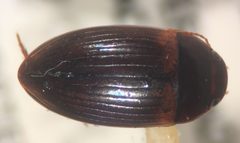
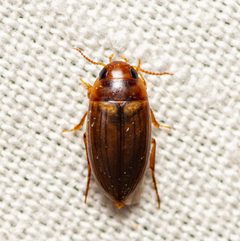
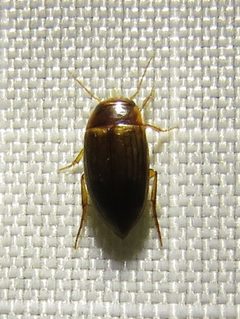
6Copelatus is a large of small diving beetles in the Dytiscidae, comprising approximately 470 described . The genus is globally distributed but reaches highest diversity in tropical regions of South America, Africa, and Southeast Asia. Members are characterized by longitudinal furrows on the surface of the in both sexes. The genus has been divided into several subgenera, some of which are occasionally treated as separate genera.
Pronunciation
How to pronounce Copelatus: /koʊˈpɛlətəs/
These audio files are automatically generated. While they are not always 100% accurate, they are a good starting point.
Identification
Copelatus are distinguished from other dytiscid by the presence of visible longitudinal furrows running down the side of the in both sexes. Many species are black or brown in coloration. The genus is part of the Copelatinae and may be with respect to the smaller genera Lacconectus and Aglymbus.
Images
Habitat
Aquatic environments, with occupying various water bodies including ephemeral rain pools and more permanent aquatic .
Distribution
Worldwide distribution with highest diversity in tropical South America, Africa, and Southeast Asia. Documented occurrence in Colombia includes departments of Arauca, Bogotá, Boyacá, Casanare, Cauca, Meta, San Andrés y Providencia, Tolima, and Valle del Cauca.
Life Cycle
Complete development from to has been documented in C. zimmermanni as occurring in 39–61 days, comprising: egg stage (3–6 days), first instar (3–8 days), second instar (3–12 days), third instar larva (4–13 days), and pre- landing period (11–36 days). Larval period duration varies among and appears related to water source permanence.
Similar Taxa
- LacconectusSmaller in Copelatinae; Copelatus may be with respect to this genus
- AglymbusSmaller in Copelatinae; Copelatus may be with respect to this genus
More Details
Taxonomic complexity
The is divided into several subgenera including Colepatus and Papuadytes, some of which are sometimes treated as separate genera. The genus may be with respect to Lacconectus and Aglymbus.
Larval ecology
Comparative studies of C. zimmermanni, C. parallelus, and C. masculinus indicate that larval period duration differs significantly among , with shorter developmental periods associated with use of ephemeral aquatic .