
Colymbetes sculptilis
Harris, 1829
Sculptured Predaceous Diving Beetle
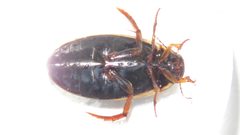
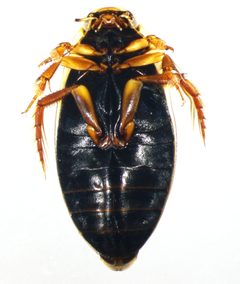
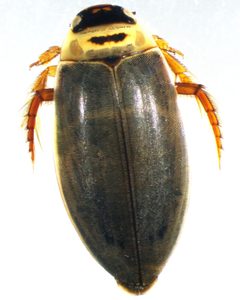
Colymbetes sculptilis is a of predaceous diving beetle in the Dytiscidae. It is known from North America, with records from Canada (Alberta, British Columbia) and the United States. As a member of the Colymbetes, it is adapted to aquatic and exhibits the typical diving of streamlined body form and hind legs modified for swimming. The specific epithet 'sculptilis' refers to the sculptured or carved appearance of the body surface.
Pronunciation
How to pronounce Colymbetes sculptilis: /kəˈlɪm.bəˌtiːz skʌlˈtɪ.lɪs/
These audio files are automatically generated. While they are not always 100% accurate, they are a good starting point.
Identification
The Colymbetes can be distinguished from other dytiscid genera by a combination of morphological characters including body shape and elytral . -level identification within Colymbetes requires examination of detailed anatomical features such as male genitalia and body proportions. The specific epithet 'sculptilis' suggests pronounced sculpturing on the or pronotum, which may aid in distinguishing this species from .
Images
Habitat
Aquatic . As a diving , it inhabits freshwater environments including ponds, lakes, and slow-moving waters.
Distribution
North America. Documented from Canada (Alberta, British Columbia) and the United States (including Massachusetts).
Similar Taxa
- Other Colymbetes speciesCongeneric share the streamlined diving body plan and aquatic habits; identification requires detailed morphological examination.
- Other Dytiscidae generaAll diving beetles share superficial similarities in body form and aquatic adaptations; Colymbetes is distinguished by specific combinations of morphological characters detailed in technical keys.
More Details
Etymology
The specific epithet 'sculptilis' (Latin: sculptured, carved) likely refers to the pronounced surface sculpturing of the or pronotum characteristic of this .
Taxonomic history
First described by Thaddeus William Harris in 1829, an early American entomologist known for his work on insects of Massachusetts and broader North American fauna.