
Pseudanophthalmus
Jeannel, 1920
Species Guides
8- Pseudanophthalmus cerberus
- Pseudanophthalmus grandis
- Pseudanophthalmus hoffmani(Hoffman's Cave Beetle)
- Pseudanophthalmus holsingeri(Holsinger's Cave Beetle)
- Pseudanophthalmus nelsoni(Nelson's Cave Beetle)
- Pseudanophthalmus pusio(Ellett Valley Cave Beetle)
- Pseudanophthalmus robustus
- Pseudanophthalmus tenuis(Blue River cave beetle)
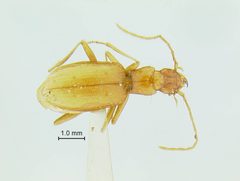
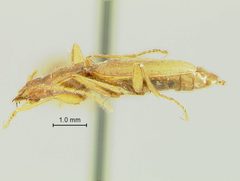
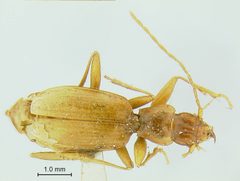
Pseudanophthalmus is a of small carabid beetles comprising over 200 described , all obligate cave dwellers restricted to karst regions of the eastern United States. Species exhibit extreme short-range , often confined to single caves or cave systems. The genus forms part of the Trechoblemus complex within the tribe Trechini. Many species are rare or potentially extinct due to restriction and anthropogenic threats.
Pronunciation
How to pronounce Pseudanophthalmus: //ˌsuːdænɒfˈθælməs//
These audio files are automatically generated. While they are not always 100% accurate, they are a good starting point.
Identification
Members of this are distinguished from other Trechini by their exclusive association with cave and reduced or absent . They are small, slender beetles with elongated appendages typical of troglobitic carabids. Differentiation among requires examination of male genitalia and subtle morphological characters; identification to species level is challenging and often requires knowledge.
Images
Habitat
Strictly subterranean; found exclusively in caves and associated karst formations. Occupies dark zones of caves with stable temperature and high humidity. Dependent on intact cave with organic matter input from surface.
Distribution
Eastern United States, recorded from ten states including Tennessee, Kentucky, and surrounding karst regions. Distribution is highly fragmented with individual often restricted to single cave systems or small geographic areas.
Ecological Role
Predatory component of cave ; likely preys on small and scavenges organic matter. Serves as for cave ecosystem health due to strict requirements and sensitivity to environmental disturbance.
Human Relevance
Subject of conservation concern due to high extinction risk from destruction, groundwater pollution, and cave visitation. Six Tennessee assessed for U.S. Act listing; all were determined not to warrant federal listing but remain at elevated risk. Rediscovery of species after decades without observation demonstrates value of targeted survey efforts.
Similar Taxa
- NeaphaenopsAlso a monobasic of cave beetles from Kentucky caves in the Trechoblemus complex; differs in being versus the -rich Pseudanophthalmus
- NelsonitesDibasic from Tennessee and Kentucky caves in the same complex; contains only two described versus over 200 in Pseudanophthalmus
- TrechoblemusEurasian and North American in the same complex; not restricted to caves and has broader geographic distribution
More Details
Conservation status
Eighty-seven percent of described are considered at risk of extinction due to small restricted distributions, low abundance, and anthropogenic threats including destruction and groundwater .
Taxonomic history
Described by René Jeannel in 1920; forms the Trechoblemus complex with Neaphaenops, Nelsonites, and Trechoblemus based on shared morphological characteristics.