
Trechini
Bonelli, 1810
Genus Guides
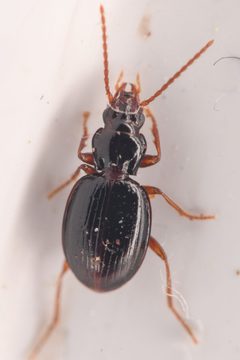
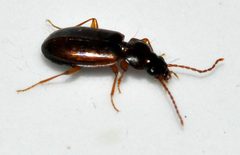
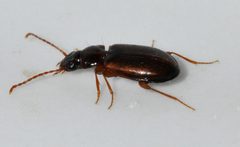
9Trechini is a large and diverse tribe of small ground beetles in the Carabidae, comprising over 270 and more than 2,400 described worldwide. Members are typically diminutive, often less than 5 mm in length, with many species measuring 1 mm or less. The tribe exhibits remarkable breadth, occurring in terrestrial, subterranean, and high-altitude mountain environments across all continents except Antarctica, though fossil evidence indicates former presence there. Trechini includes numerous cave-adapted lineages, making it the most diverse and cave-specialized group among Carabidae tribes in subterranean habitats.
Pronunciation
How to pronounce Trechini: /trɛˈkiːnaɪ/
These audio files are automatically generated. While they are not always 100% accurate, they are a good starting point.
Identification
Trechini can be distinguished from other Carabidae tribes by a combination of small body size, associations, and detailed morphological characters. Cave-dwelling are identified by troglomorphic features: elongated and pronotum, lengthened and legs, and widened, ovoid . The tribe is most readily confused with other small carabid tribes in the Trechinae; definitive identification requires examination of male genitalia, which show diagnostic diversity. In the field, trechines are recognized by their small size, ground-dwelling habit, and occurrence in moist, shaded, or subterranean microhabitats. Molecular increasingly supports tribal boundaries, though morphological identification remains essential for field work.
Images
Appearance
Members of Trechini are characteristically small ground beetles, typically measuring less than 5 mm in body length, with some reaching 1 mm or less. The tribe encompasses substantial morphological diversity, including surface-dwelling forms with conventional carabid proportions and highly specialized cavernicolous forms. Cave-adapted trechines often exhibit troglomorphic traits: elongated , pronota, and appendages, with widened, ovoid-shaped . Wing reduction or complete loss is common in subterranean and high-altitude species. The aphaenopsoid trechines represent a distinctive morphological group characterized by prolonged body segments and widened elytra. Genitalic shows considerable diversity and serves as a primary taxonomic character for species discrimination.
Habitat
Trechini occupies exceptionally diverse spanning terrestrial surface environments, subterranean caves, and high-altitude mountain systems. Surface-dwelling occur in moist, shaded ground habitats including leaf litter, soil crevices, and rocky terrain. The tribe is notably the most diverse and cave-specialized group among Carabidae in subterranean habitats, with numerous obligate cave-dwelling (troglobitic) lineages in karst regions worldwide. High-altitude species inhabit alpine and subalpine zones, with many showing restricted distributions to specific mountain slopes, plateaus, and valleys. In China alone, 152 species in 52 have been recorded from cave habitats. Ethiopian highlands support radiations in the Bale Mountains, Sanetti Plateau, and Harenna Forest. The tribe demonstrates strong association with geological formations, particularly limestone karst and volcanic mountain systems.
Distribution
Trechini has a distribution spanning all continents except Antarctica, with fossil evidence (Antarctotrechus balli) indicating former presence there during the Miocene. Major centers of diversity include: the Tibetan Himalaya and southern central Tibetan Plateau (numerous groups); the Bale Mountains and adjacent volcanos of southern Ethiopia (26+ endemic species); cave systems of southern China karsts (152 species, 52 ); the Dinaric Karst of Croatia and Montenegro (400+ specialized subterranean beetles including aphaenopsoid trechines); eastern North American cave systems (e.g., Darlingtonea kentuckensis in Kentucky); the Caucasus and Crimea; and New Caledonia. Distribution patterns show extreme local , with many species restricted to single caves, specific slopes, or isolated mountain peaks.
Behavior
Many trechine exhibit limited capacity, particularly wingless high-altitude and subterranean forms. Cave-dwelling species show strong isolation with high genetic differentiation between cave systems, consistent with limited and intra-karst barriers. Ethiopian and Himalayan species demonstrate micro- with distributions restricted to specific slopes and elevations. The tribe includes both surface-active and exclusively subterranean forms; cave species are troglobitic, showing behavioral and morphological to permanent darkness.
Ecological Role
As small ground beetles, trechines likely function as or scavengers in soil and litter , though specific dietary studies are lacking. Cave-dwelling occupy apex predator positions in nutrient-limited subterranean . Their abundance and sensitivity to environmental conditions makes them potential indicators of integrity, particularly in wetland and cave systems. The high genetic structuring of cave indicates they serve as models for studying isolation, speciation, and vicariance in fragmented habitats.
Human Relevance
Trechini has significant scientific value as a model system for studying evolution, speciation, and . Cave-dwelling lineages are particularly important for understanding subterranean and the evolutionary mechanisms underlying troglomorphism. The tribe's extreme local and sensitivity to disturbance makes it relevant for conservation assessment, particularly in karst regions vulnerable to quarrying, groundwater pollution, and climate change. Ethiopian and Himalayan radiations provide evidence for in situ speciation following geological uplift, challenging theories of post-glacial range expansion. No economic importance to agriculture or forestry has been documented.
Similar Taxa
- Other Trechinae tribes (e.g., Bembidiini, Pogonini)Share Trechinae and small body size; distinguished by genitalic , preferences, and molecular
- Small Platynini (Carabidae)Overlap in small size and ground-dwelling habit; Platynini typically have different body proportions and are less frequently cave-adapted
- PsydriniSome psydrines share small size and soil-dwelling habits; distinguished by different mandibular and genitalic structure
More Details
Cave specialization
Trechini is the most diverse and cave-specialized tribe among Carabidae in subterranean . Chinese cave Trechini alone comprise 152 in 52 , representing three independent subterranean clades that do not form a , indicating multiple origins of cave .
Antarctic fossil record
The extinct Antarctotrechus, described from Miocene fossils in the Transantarctic Mountains, demonstrates that Trechini formerly occurred on Antarctica when tundra persisted there. This represents the first ground beetle known from the continent and confirms the tribe's ancient Gondwanan distribution.
Phylogenetic complexity
Molecular reveals that Chinese cave Trechini comprise three main independent subterranean clades, indicating of cave-adapted forms. The Nannotrechus lineage in the Caucasus and Crimea shows basal clades distributed across Western Turkey, Crimea, and Central Caucasus, suggesting complex historical .
Sources and further reading
- BugGuide
- Wikipedia
- iNaturalist taxon
- NCBI Taxonomy
- Catalogue of Life
- Coleoptera | Blog - Part 3
- Figure 2 from: Boyd OF, Philips TK, Johnson JR, Nixon JJ (2020) Geographically structured genetic diversity in the cave beetle Darlingtonea kentuckensis Valentine, 1952 (Coleoptera, Carabidae, Trechini, Trechini). Subterranean Biology 34: 1-23. https://doi.org/10.3897/subtbiol.34.46348
- A preliminary phylogeny of cave trechine beetles from China (Coleoptera: Carabidae: Trechini)
- Revision of Trechus Clairville, 1806 of the Bale Mountains and adjacent volcanos, Ethiopia (Coleoptera, Carabidae, Trechini)
- Taxonomic and biogeographical review of the genus Trechus Clairville, 1806, from the Tibetan Himalaya and the southern central Tibetan Plateau (Coleoptera: Carabidae: Trechini)
- New Trechini of the Nannotrechus lineage (Coleoptera: Carabidae) from the Caucasus and Crimea
- Figure 3 from: Boyd OF, Philips TK, Johnson JR, Nixon JJ (2020) Geographically structured genetic diversity in the cave beetle Darlingtonea kentuckensis Valentine, 1952 (Coleoptera, Carabidae, Trechini, Trechini). Subterranean Biology 34: 1-23. https://doi.org/10.3897/subtbiol.34.46348
- Sporades jaechi sp. nov. with comments on classification of the New Caledonian genus Sporades Fauvel (Coleoptera, Carabidae, Trechini, Trechodina)
- A contribution to the knowledge of cavernicolous ground beetles from Sichuan Province, southwestern China (Coleoptera, Carabidae, Trechini, Platynini)
- A contribution to cavernicolous beetle diversity of South China Karst: eight new genera and fourteen new species (Coleoptera: Carabidae: Trechini)
- Playing hard to get: two new species of subterranean Trechini beetles (Coleoptera, Carabidae, Trechinae) from the Dinaric Karst