Pterostichus morionides
Chaudoir, 1868
woodland ground beetle
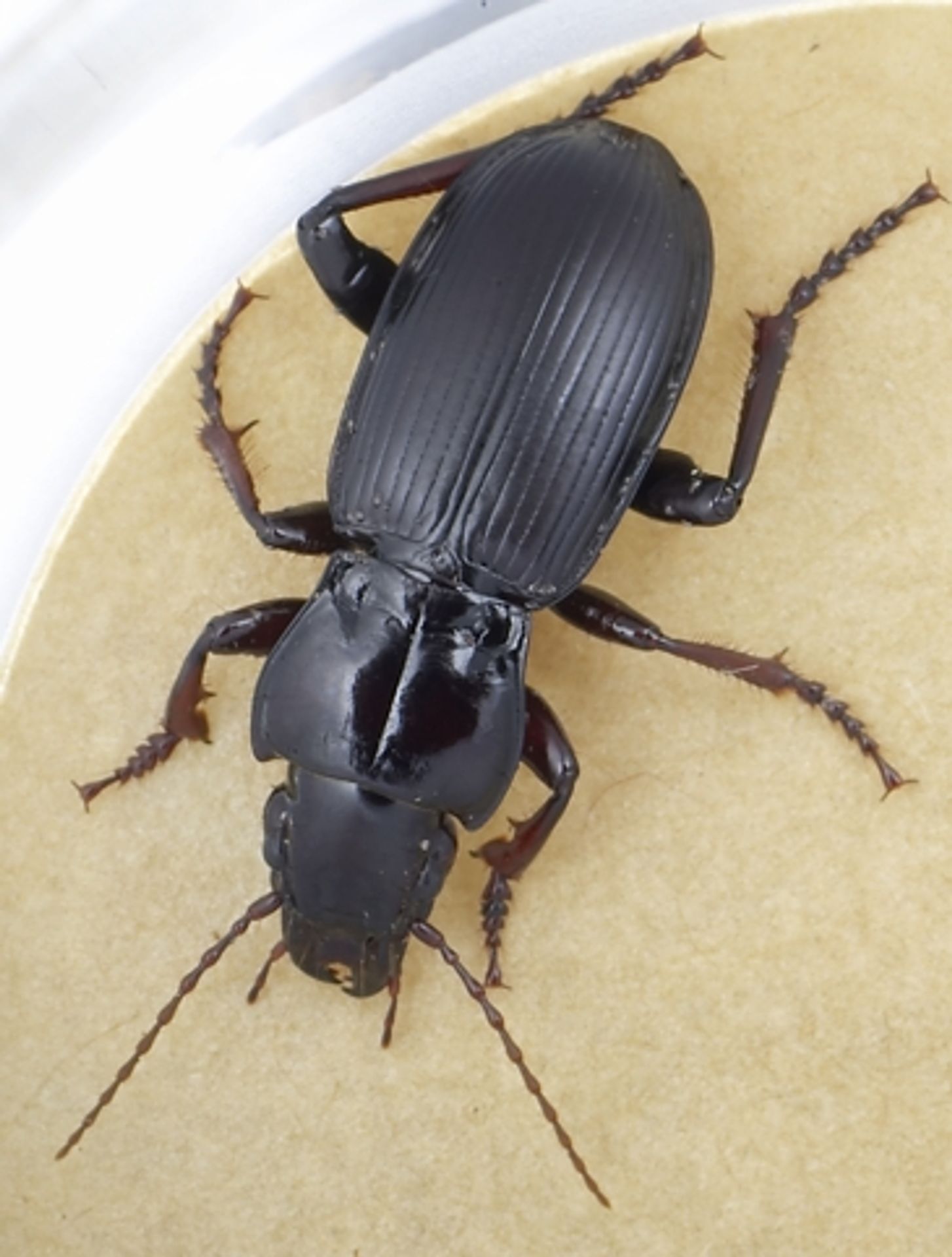
Pterostichus morionides is a of ground beetle in the Carabidae, described by Chaudoir in 1868. It is found in North America, where it inhabits woodland . Like other members of the Pterostichus, it is a ground-dwelling , though specific ecological details remain limited in published literature.
Pronunciation
How to pronounce Pterostichus morionides: /ˌtɛroʊˈstɪkəs ˌmɔːriˈoʊnɪdiːz/
These audio files are automatically generated. While they are not always 100% accurate, they are a good starting point.
Identification
Specific identification characters for Pterostichus morionides are not detailed in available literature. The can be distinguished from other Pterostichus species through examination of male genitalia and other subtle morphological characters, as is standard for carabid . Identification to species level typically requires examination and comparison with or authoritative keys.
Images
Habitat
Woodland , as indicated by its 'woodland ground beetle'.
Distribution
North America; specifically recorded from the United States.
Ecological Role
As a ground beetle (Carabidae), likely functions as a in forest floor , though this role is inferred from -level characteristics rather than -specific studies.
Similar Taxa
- Other Pterostichus speciesMembers of this large share general body form and preferences; precise identification requires examination of subtle morphological characters including male genitalia and elytral striation patterns.
- Other woodland carabid beetlesMultiple within Carabidae occupy similar woodland ground ; Pterostichus are generally larger and more robust than many small carabids such as Bembidion.
More Details
Taxonomic history
Described by Chaudoir in 1868. The epithet 'morionides' suggests a resemblance to 'morio', a term used for dark or black-colored beetles.
Data availability
This has minimal observation records in public databases (zero observations in iNaturalist as of source date), suggesting it is either genuinely rare, undercollected, or difficult to identify.
Sources and further reading
- BugGuide
- Wikipedia
- GBIF taxonomy match
- iNaturalist taxon
- NCBI Taxonomy
- Largest Carabid Beetle in California | Bug Squad
- New Guide Offers Latest in Carrot Weevil Management
- Where siblings mingle: Ellipsoptera marginata vs. E. hamata | Beetles In The Bush
- Reuse of science for the benefit of all: the beauty of open access | Blog
- Pensoft blog - Part 136
- Meet Enus | Beetles In The Bush