Parcoblatta uhleriana
(Saussure, 1862)
Uhler's Wood Cockroach
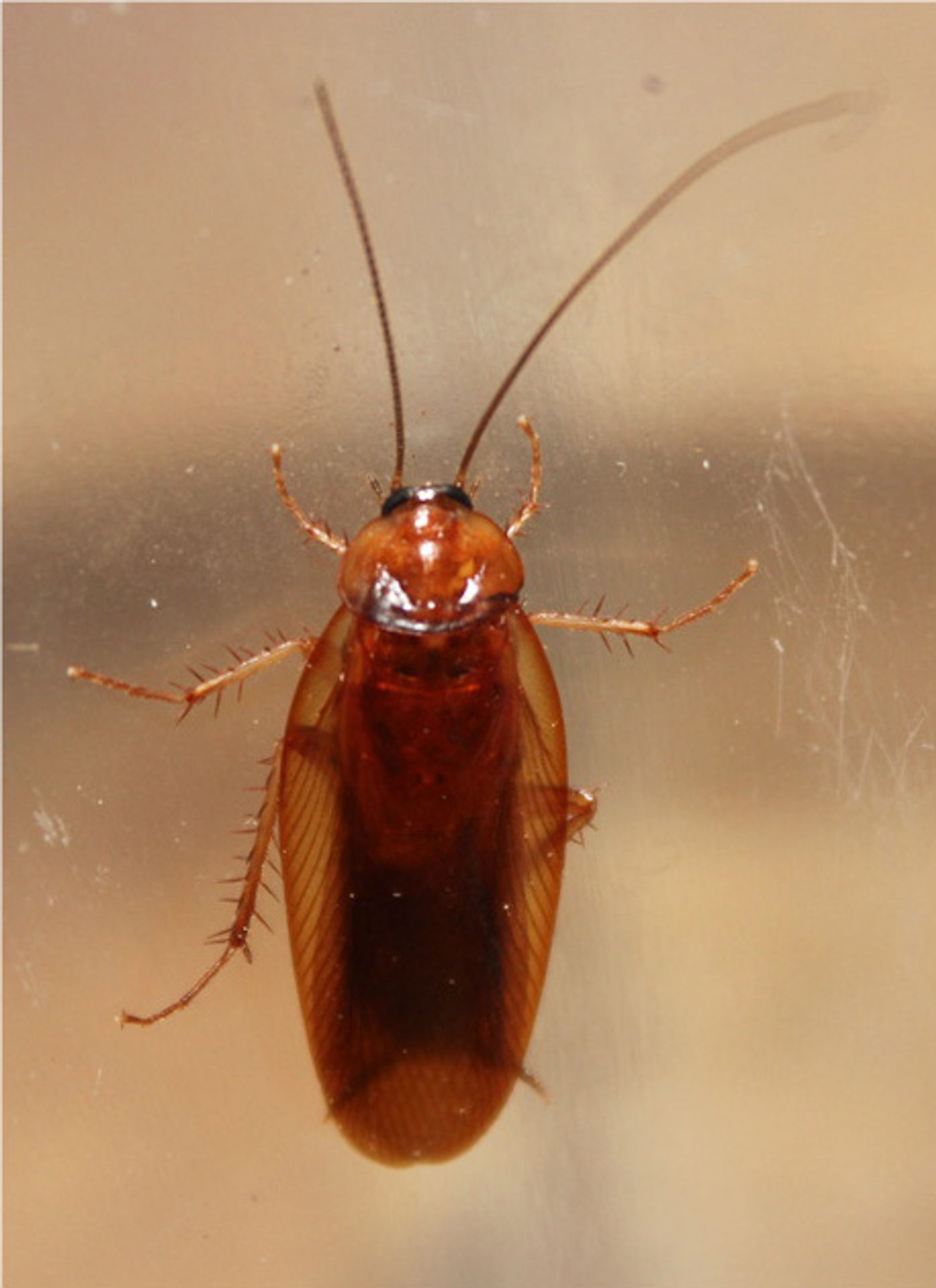
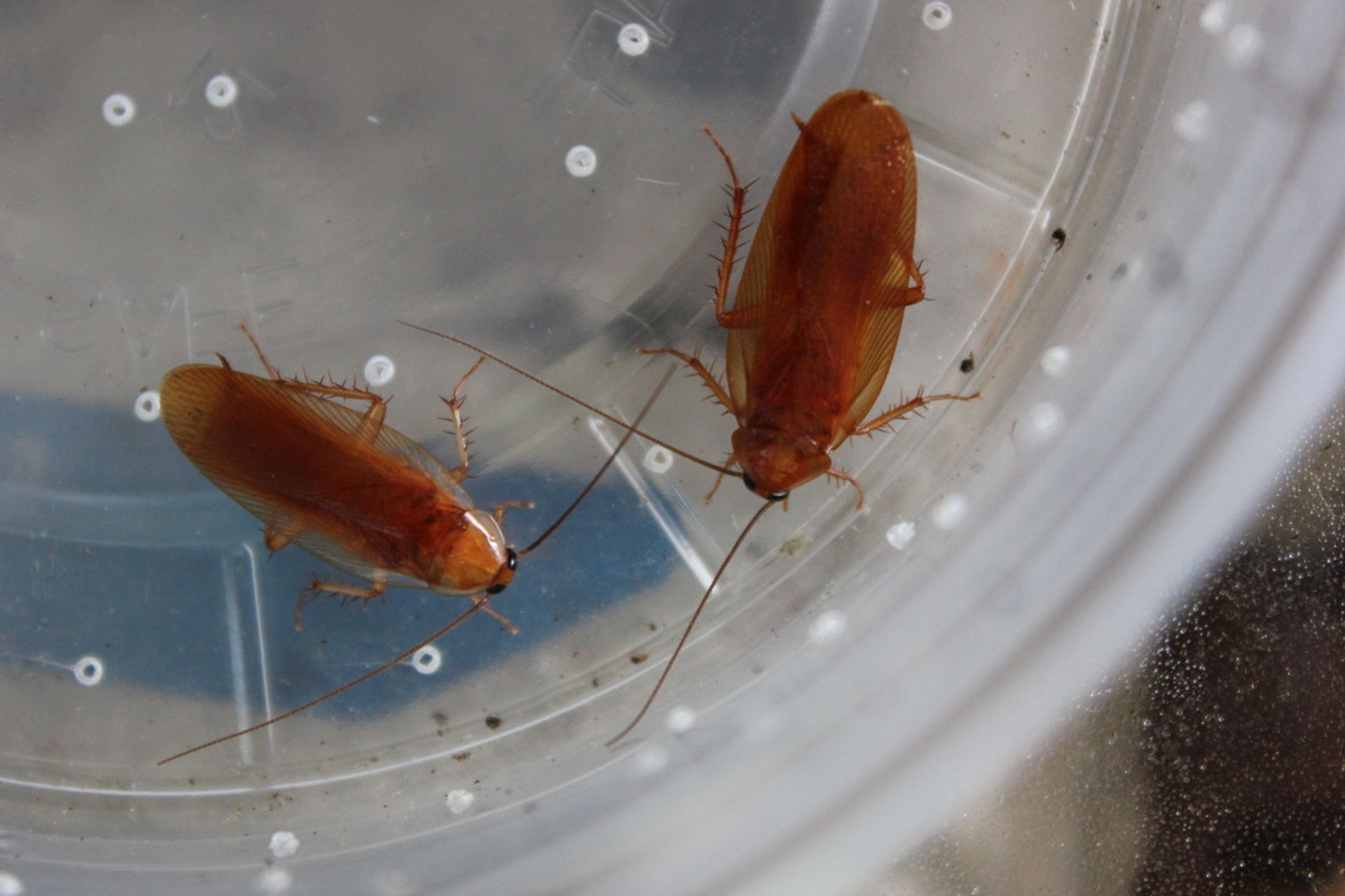
Parcoblatta uhleriana is a North American wood found in deciduous forests, disturbed areas, and suburban environments. Males are slender, pale brownish-yellow, and capable of ; females are broader, shining blackish-brown to dark reddish-brown, and flightless. The exhibits pronounced in both coloration and wing development. It is frequently encountered in soil-level and has been documented as the most common cockroach in suburban pitfall trap surveys in parts of its range.
Pronunciation
How to pronounce Parcoblatta uhleriana: //ˌpɑrkoʊˈblætə ˌjuːləˈraɪənə//
These audio files are automatically generated. While they are not always 100% accurate, they are a good starting point.
Identification
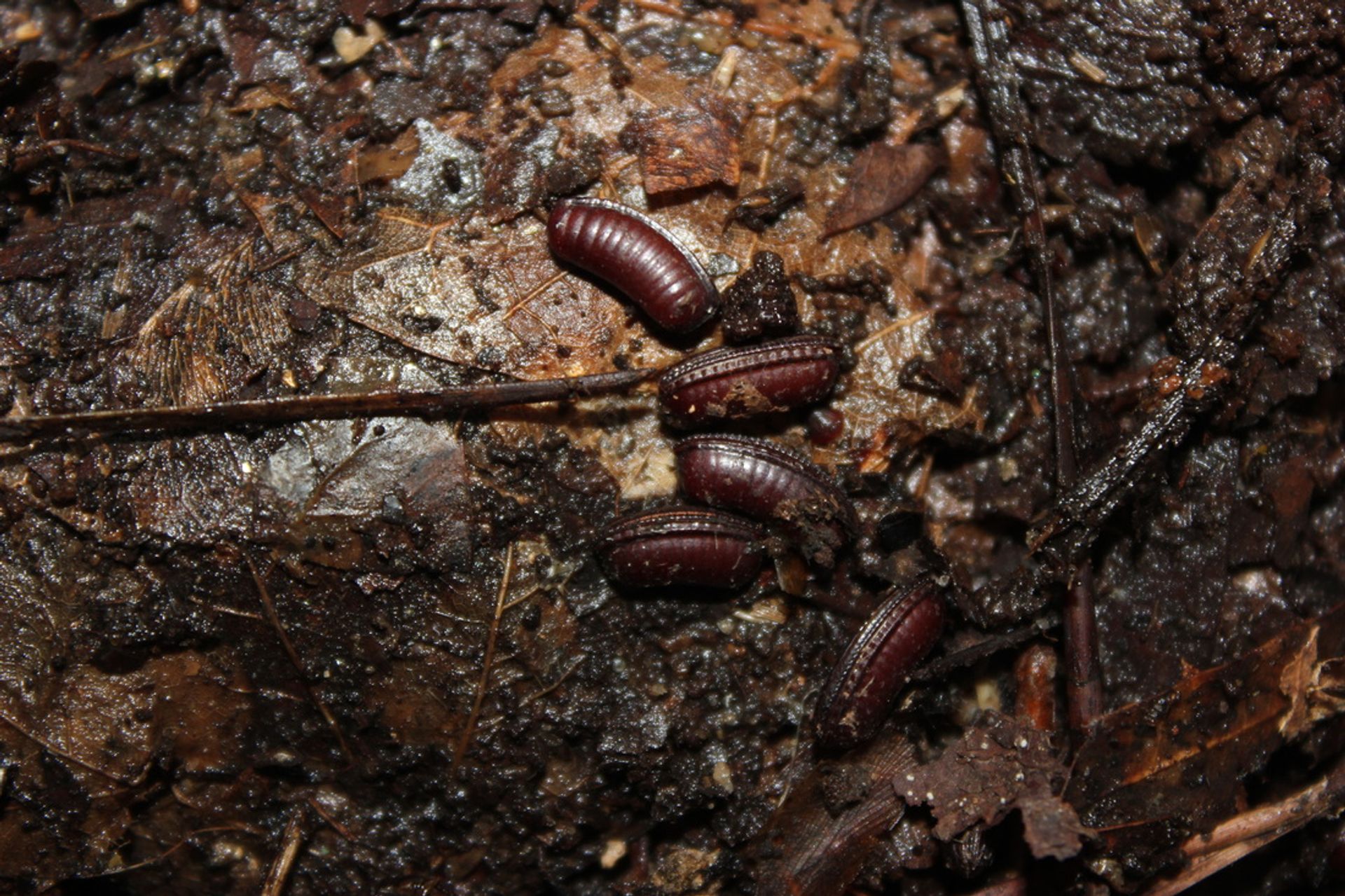
Females readily distinguished from allied Parcoblatta by short, separated tegmina and shining black coloration. Males more difficult to separate from P. fulvescens and P. virginica; require careful examination of pronotal shape and coloration details. distinctive: 3.4–3.5 mm wide, 6–9 mm long, with row of small, well-spaced conical projections—described as 'an entirely different type from that known for any other species of the '.
Images
Habitat
Primary is dense deciduous forest with deep, moist leaf mold and plant litter. Also found along wooded borders, in suburban areas, and disturbed environments. Microhabitats include beneath dry and damp leaves, pine needles, debris, under loose bark, in decaying logs, on foliage, grass, and roads at night. In forested areas, males occur primarily on bushes (mean height 71 cm) while females remain on ground (mean height 7 cm); in non-forest areas, males found on grass or flying (mean height 42 cm), females on ground (mean height 5 cm).
Distribution
Eastern North America: Ontario, Canada; and eastern United States including Alabama, Connecticut, Delaware, District of Columbia, Florida, Georgia, Illinois, Indiana, Iowa, Kansas, Maryland, Massachusetts, Michigan, Mississippi, Missouri, New Jersey, New York, North Carolina, South Carolina, Pennsylvania, Tennessee, and Virginia.
Diet
Observed feeding on mushrooms, moss, bird , and mammalian cartilage. Attracted to molasses and honeydew secreted by aphids on pear at night.
Life Cycle
via (): 3.4–3.5 mm wide, 6–9 mm long, with distinctive conical projections. Ootheca parasitized by Hyptia harpyoides, whose last instar larva overwinters inside.
Behavior
. Males fly freely and are attracted to light. Females non-flying, ground-dwelling. Agonistic observed during feeding: biting, kicking, lunging, and posturing when females contact one another. Laboratory studies show similar agonism levels between sexes in same-sex encounters: no agonism in 31–36% of encounters, threat displays in 42–48%, unilateral kicking/biting in 19–20%, mutual combat in 2%.
Ecological Role
Decomposer feeding on decaying organic matter including fungi and . Prey for Ampulex canaliculata, which uses wood cockroaches as for larval development. parasitized by Hyptia harpyoides. Serves as host for multiple symbiotic/parasitic organisms: fungal Herpomyces arietinus, protozoan Gregarina parcoblattae, Protrellus aurifluus, and unidentified hypopial mites.
Human Relevance
Frequently encountered in suburban environments; most commonly caught in soil-level pitfall traps in suburban Raleigh, North Carolina survey. Not considered a household pest. Attracted to molasses , potentially usable for monitoring. Subject of ecological and behavioral research.
Similar Taxa
- Parcoblatta fulvescensMales difficult to distinguish; require careful examination of coloration and pronotal details.
- Parcoblatta virginicaMales difficult to distinguish; females of P. uhleriana separated by short tegmina and shining black color. Also shares Hyptia harpyoides.
More Details
Symbiotic Associates
multiple organisms: fungal Herpomyces arietinus (infects nymphs, possibly via contact with infected P. virginica); protozoan Gregarina parcoblattae in (shared with P. pensylvanica); Protrellus aurifluus in intestinal tract (shared with P. lata); unidentified hypopial mites embedded in body fat.
Sexual Habitat Partitioning
Males and females occupy different vertical strata: males arboreal or flying, females strictly ground-dwelling. Pattern consistent across forested and disturbed , with males found at 5–10× the height of females.