
Chelifer
Geoffroy, 1762
Species Guides
1- Chelifer cancroides(House Pseudoscorpion)
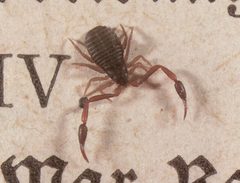
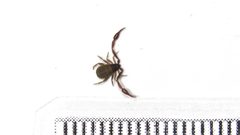
Chelifer is a of pseudoscorpions in the Cheliferidae, established in 1762. The genus is currently , containing only Chelifer cancroides, the house pseudoscorpion, which is the most widely distributed pseudoscorpion globally. All other species originally described in Chelifer have been moved to other genera, synonymized, or designated as nomina dubia or . The genus is characterized by distinctive morphological features including large setose on the and specialized male genitalia structures.
Pronunciation
How to pronounce Chelifer: /ˈkɛlɪfər/
These audio files are automatically generated. While they are not always 100% accurate, they are a good starting point.
Images
Distribution
; records from North America, Europe, Africa, Australia, and Scandinavia (Denmark, Norway, Sweden).
Similar Taxa
- Other CheliferidaeDistinguished by with large setose , male carapace and tergites I-VII or I-VIII with distinct lateral keels, cheliceral hand with 4 setae lacking seta sbs, and tarsal claws with lateroventral process in (except first leg pair of adult males).
Sources and further reading
- BugGuide
- Wikipedia
- GBIF taxonomy match
- NCBI Taxonomy
- Catalogue of Life
- Different allometric intercepts in major Aegus chelifer chelifer stag beetle males from urban and forest habitats
- NUTRITIONAL EFFECTS ON MORPHOLOGICAL CHARACTERISTICS AND MALE-MALE COMPETITION OF STAG BEETLE Aegus chelifer chelifer MacLeay, 1819
- Microsatellites for the Neotropical Ant, Odontomachus chelifer (Hymenoptera: Formicidae)
- Size Does Not Matter: Same-Sex Sexual Behavior Occurred Regardless of Mandible Size in Male Stag Beetle Aegus chelifer chelifer (Coleoptera: Lucanidae)
- Behaviour of Odontomachus chelifer (Latreille) (Formicidae: Ponerinae) Feeding on Sugary Liquids
- Effect of Temperature on Nestmate Recognition in the Ant Odontomachus chelifer
- Notes on the Life History of the Pseudoscorpion Chelifer cancroides (Linn.) (Chelonethida).
- Worker-behavior and behavior-behavior interaction networks in the trap-jaw ant Odontomachus chelifer (Latreille, 1802) (Hymenoptera: Formicidae)
- Do nymphs of Parameletus chelifer and P. minor (Ephemeroptera) reduce mortality from predation by occupying temporary habitats?
- Locomotion in the pseudoscorpionChelifer cancroides: forward, backward and upside-down walking in an eight-legged arthropod
- Anatomy of the Nervous System in Chelifer cancroides (Arachnida: Pseudoscorpiones) with a Distinct Sensory Pathway Associated with the Pedipalps
- Redescription of Parameletus chelifer Bengtsson and P. minor (Bengtsson), with keys to nymphal and adult stages of the Fennoscandian species of Siphlonuridae (Ephemeroptera)
- Effects of habitat on development, fecundity, and susceptibility to parasites in Parameletus chelifer and Parameletus minor (Ephemeroptera)
- Seasonal Patterns in Activity Rhythm and Foraging Ecology in the Neotropical Forest-Dwelling Ant, Odontomachus chelifer (Formicidae: Ponerinae)
- Functional Polygyny, Agonistic Interactions and Reproductive Dominance in the Neotropical Ant Odontomachus chelifer (Hymenoptera, Formicidae, Ponerinae)