
Pimoa altioculata
(Keyserling, 1886)
large hammockweb spider
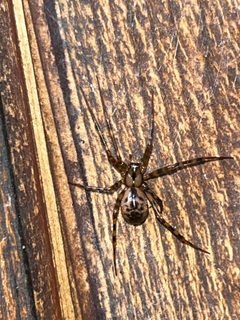
Pimoa altioculata is a large hammockweb spider in the Pimoidae, found in the western United States and Canada. It was formerly classified in the family Linyphiidae but was separated due to distinct morphological differences, particularly its substantially larger body size. The constructs fine, horizontal, net-like webs and is primarily associated with coniferous forest .
Pronunciation
How to pronounce Pimoa altioculata: /ˈpaɪmoʊə ˌæltioʊˈkjuːlɑːtə/
These audio files are automatically generated. While they are not always 100% accurate, they are a good starting point.
Identification
Distinguished from the related Linyphiidae by its much larger body size (5–12 mm vs. typically <5 mm for most linyphiids). The combination of large body size, long legs, and fine horizontal hammock-like webs helps separate it from other large spiders. Found only in specific geographic regions along the Pacific coast of North America, which further narrows identification. The web structure—fine, net-like, and horizontal, often with the spider hanging beneath—is characteristic of the .
Images
Appearance
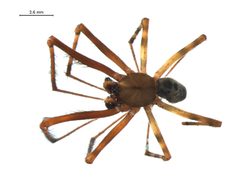
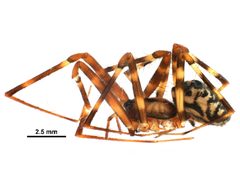
Large-bodied spider relative to other pimoid and linyphiid spiders. Body length ranges from approximately 5 mm in males to 12 mm in females. Long legs make the spider appear larger than its body size alone would suggest. Fine, net-like web structure is characteristic, though the spider itself is not highly ornamented.
Habitat
Coniferous forests, particularly in rain shadow zones. Webs are constructed in crevices of logs, fences, and retaining walls. Microhabitat includes sheltered positions with some moisture, as webs are most visible when dew is present.
Distribution
Western North America: found in the United States and Canada along the Pacific coastal region. The Pimoa has broader distribution including the Cantabrian Mountains (Spain), Alps, and Himalayas, but P. altioculata specifically occurs in North America.
Life Cycle
Females produce nearly spherical sacs covered with debris for camouflage. Clutch size ranges from approximately 80 to 100 eggs. Developmental stages follow typical spider pattern of egg, spiderling, and , but specific timing details are not documented.
Behavior
Constructs fine, net-like, horizontal webs (hammockwebs) that can span up to one yard, though most are smaller (approximately six inches across). Webs issue from crevices and serve as prey capture platforms. Spider hides in a crevice or retreat during daylight hours. At night or on overcast days, the spider hangs from the underside of the web. of legs below the patellar segment has been observed as an escape mechanism from , similar to in Linyphiidae.
Ecological Role
that constructs webs to capture flying and crawling prey in forest . Serves as prey for larger predators; leg suggests pressure has shaped defensive .
Human Relevance
No documented negative impacts. Webs may be noticed by observers in outdoor settings, particularly when dew makes them visible. Not known to bite humans or enter structures.
Similar Taxa
- Linyphiidae (sheetweb weavers)Formerly classified together; distinguished by much smaller body size (<5 mm typically), though web structure can appear similar. Pimoa are substantially larger.
- Other Pimoa speciesApproximately 15 occur in North America north of Mexico; identification to species level requires examination of detailed morphological characters not covered in general sources.
More Details
Taxonomic history
Moved from Linyphiidae to Pimoidae based on morphological and phylogenetic studies by Hormiga (1994). This separation was driven by distinct differences including body size and genitalic .
Web visibility
Webs are nearly invisible without moisture; dew or light rain makes them detectable. This cryptic nature means the is likely under-recorded in many areas.