
Geolycosa turricola
(Treat, 1880)
turret spider, burrowing wolf spider
Geolycosa turricola is a burrowing wolf spider ( Lycosidae) native to the eastern United States, ranging as far west as Ohio. This constructs deep, silk-lined burrows in sandy soils, often with a distinctive turret of silk and debris at the entrance. It exhibits an obligate burrowing lifestyle with a two-year and has been documented showing high frequencies of ballooning —aerial via silk threads—despite occupying relatively stable sand dune . Spiderlings display subsocial organization with prolonged mutual within , facilitated primarily by chemical communication.
Pronunciation
How to pronounce Geolycosa turricola: //d͡ʒiːoʊlaɪˈkoʊsə ˌtʊrɪˈkoʊlə//
These audio files are automatically generated. While they are not always 100% accurate, they are a good starting point.
Identification
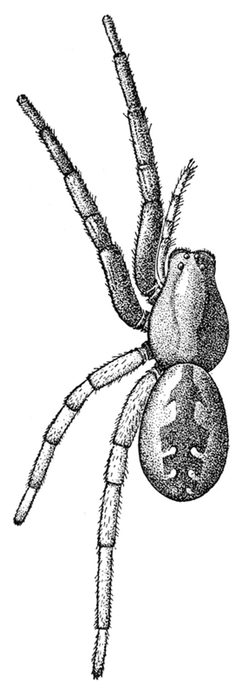
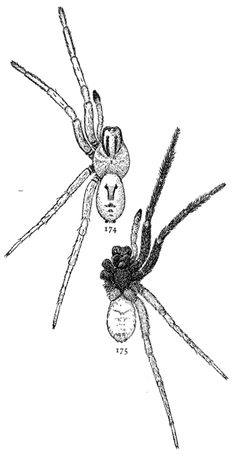
Geolycosa turricola can be distinguished from other wolf spiders by its obligate burrowing habit and the construction of turreted burrows with silk-lined vertical shafts. The shows in size, with mature females measuring approximately 21 mm and males 15–18 mm in body length. The is elevated anteriorly, a trait characteristic of the Geolycosa. From similar Geolycosa species, G. turricola may be distinguished by geographic range (eastern US) and specific burrow architecture, though precise morphological differentiation requires examination of genitalic structures.
Images
Habitat
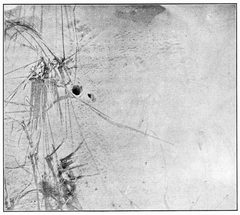
Sandy soils in open areas with sparse vegetation; constructs deep burrows (averaging 20–25 cm in summer, potentially exceeding 1 meter in burrows) lined with silk and often featuring a turret of silk mixed with debris at the entrance. Occupies stable sand dune and other sandy environments in eastern North America.
Distribution
Eastern United States, ranging west to Ohio.
Seasonality
mature in late summer or early autumn, with copulation occurring in late summer. Ballooning observed primarily during late afternoon and evening in late summer and early autumn. Females lay in May or June of the following year.
Life Cycle
Two-year . Half-grown individuals overwinter in deep burrows. Both sexes mature in late summer or early autumn. Mating occurs in late summer to early autumn. Females lay in May or June of the subsequent year, producing spherical egg sacs that are sunned at the burrow entrance on warm days. Spiderlings exhibit prolonged mutual within before .
Behavior
Obligate burrower, spending the majority of its life within a silk-lined burrow. Exhibits high-frequency ballooning (aerial via silk threads), with approximately 70% of individuals showing this —unusually high for Lycosidae and notable given the stability of its . Ballooning occurs primarily in late afternoon and evening. Spiderlings display subsocial organization with extended mutual ; chemical communication is the principal mechanism of interaction among broodmates. Aggressive behavior increases between spiderlings of disparate size. Shows limited kin recognition ability. Young spiders demonstrate behavioral plasticity in burrow establishment decisions based on microhabitat and prey availability cues.
Ecological Role
in sandy soil . Burrowing activity may contribute to soil aeration and nutrient cycling. Spiderling ballooning may facilitate of new patches and among localized .
Similar Taxa
- Geolycosa missouriensisAlso a burrowing wolf spider with similar and , but G. missouriensis is centered in the Great Plains (southern Canada to Texas, west to Utah and Arizona) rather than the eastern US range of G. turricola. Both construct turreted burrows, but geographic separation is the primary distinguishing feature.
- Lycosa georgicolaA facultative burrower compared to the obligate burrowing habit of G. turricola. Shows shorter phases in and different burrow architecture.
- Geolycosa patellonigraAnother Geolycosa with high ballooning frequency (60% of individuals), but native to Florida rather than the eastern US interior. Differ in ballooner-to-nonballooner ratios.
Sources and further reading
- BugGuide
- Wikipedia
- GBIF taxonomy match
- iNaturalist taxon
- NCBI Taxonomy
- Catalogue of Life
- Bug Eric: Spider Sunday: Burrowing Wolf Spider
- ID Challenge #20 | Beetles In The Bush
- 2024 New Mexico Insect Collecting Trip iReport: Finale | Beetles In The Bush
- 2018 New Mexico/Texas Insect Collecting Trip “iReport” | Beetles In The Bush
- Ballooning in Geolycosa turricola (Treat) and Geolycosa patellonigra Wallace: high dispersal frequencies in stable habitats
- Subsocial organization and behavior in broods of the obligate burrowing wolf spider Geolycosa turricola (Treat)
- The Influence of Microhabitat and Prey Availability on Burrow Establishment of YoungGeolycosa Turricola (Treat) and G. Micanopy Wallace (Araneae: Lycosidae): A Laboratory Study