Geolycosa pikei
(Marx, 1881)
Pike's Burrowing Wolf Spider
Geolycosa pikei is a burrowing wolf spider to the United States, characterized by its cryptic sandy coloration and specialized lifestyle. The constructs deep, silk-lined burrows in sandy substrates, primarily along seashores but also inland. It exhibits rapid wound healing through coagulation. Females are larger (18–22 mm) than males (~14 mm). The spider is primarily , hunting at dusk by running over sand surfaces.
Pronunciation
How to pronounce Geolycosa pikei: /ˌdʒiːoʊlaɪˈkoʊsə ˈpaɪkaɪ/
These audio files are automatically generated. While they are not always 100% accurate, they are a good starting point.
Identification
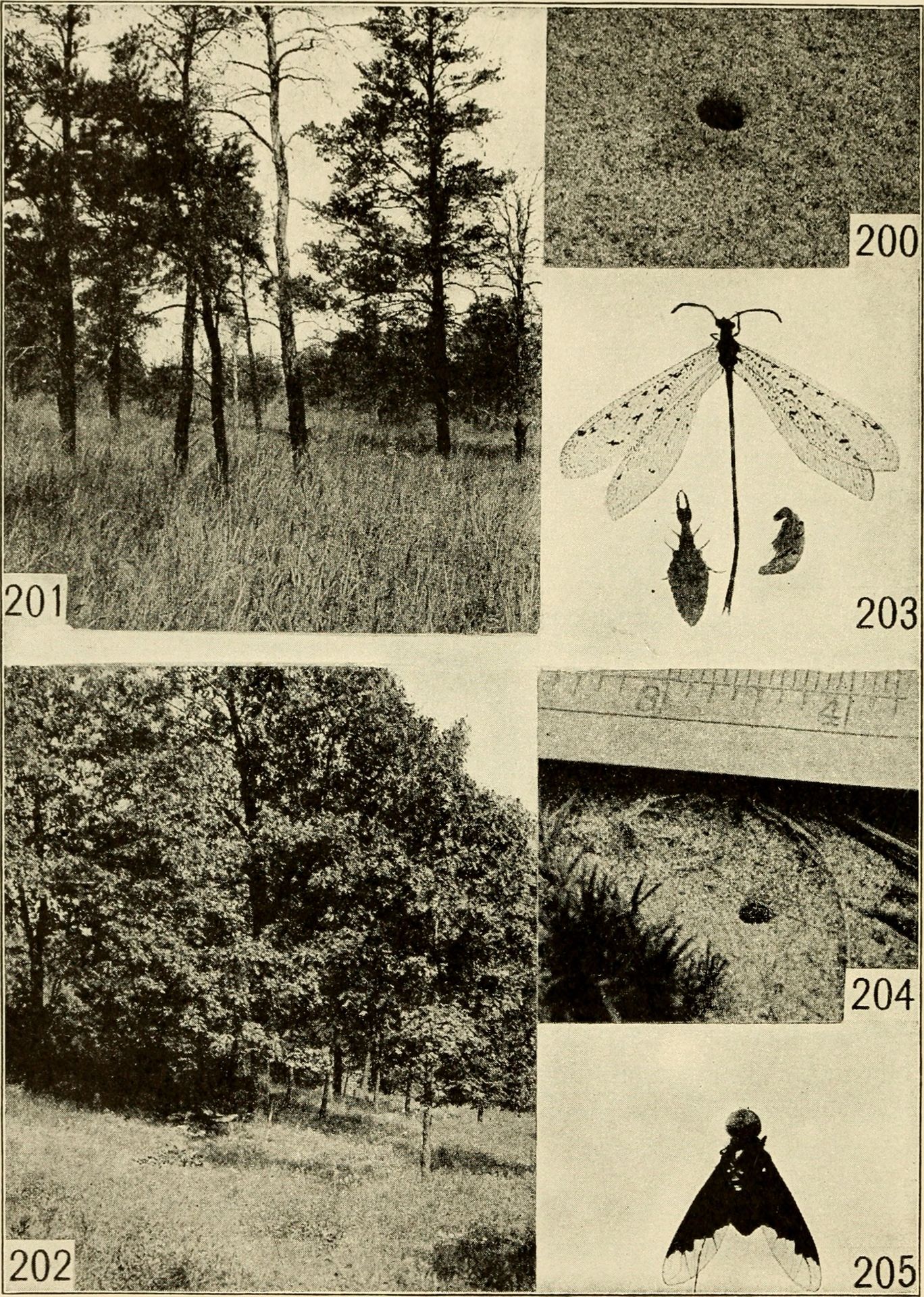
Distinguished from other Geolycosa by its specific color pattern and geographic distribution. The burrow—up to knitting needle diameter and extending 2 feet (0.61 m) deep with silk-lined upper portion—resembles tiger burrows but is larger. From surface-dwelling wolf spiders, identified by and burrow association. From Hogna and other wandering wolf spiders, distinguished by shape (higher anteriorly) and burrow-dependent lifestyle.
Images
Habitat
Sandy environments, primarily coastal seashores but also extending inland. Requires loose, sandy substrate suitable for burrow construction. Found in open areas where burrows can be excavated without obstruction.
Distribution
United States; North America. Specific range details beyond national level are not documented in available sources.
Seasonality
Year-round presence in burrows; active surface hunting primarily at dusk. Specific seasonal patterns of or are not documented.
Diet
Insects; captured by rapid running pursuit over sand surfaces at dusk.
Life Cycle
sac production documented in related Geolycosa (congeneric G. missouriensis produces egg sacs in May–June); specific timing for G. pikei not documented. Young spiders construct burrows comparable to .
Behavior
Strictly , residing in vertical silk-lined burrows during daylight hours. Constructs burrow at night by excavating sand. Emerges at dusk to hunt actively by running over sand surfaces. Retreats to burrow when threatened or when prey approaches burrow entrance. Rapid wound healing documented: abdominal wounds seal immediately with coagulum, progressing through fibrous mass formation to tissue restoration.
Ecological Role
of insects in sandy ; burrowing activity may contribute to soil aeration and substrate turnover.
Human Relevance
Subject of physiological research regarding wound healing mechanisms (1981 study documented coagulation and tissue ). No documented economic or medical significance.
Similar Taxa
- Geolycosa missouriensis with similar burrowing and ; distinguished by geographic distribution (Great Plains epicenter) and subtle morphological differences
- Tiger beetles (Cicindelidae)Construct similar burrows in sand, but G. pikei burrows are larger and silk-lined; spider distinguished by eight legs, two body segments, and arrangement
More Details
Wound Healing Physiology
A 1981 study in Canadian Journal of Zoology documented that abdominal wounds in G. pikei are immediately secured by coagulum. The external coagulum seals the exoskeletal hole while the internal portion transforms into a fibrous mass, eventually leading to complete tissue restoration.
Burrow Construction
Burrows are constructed at night with the spider excavating sand particles. The upper 2–3 inches (51–76 mm) are lined with silk to prevent collapse. Burrow diameter approaches that of a knitting needle, with total depth ranging from a few inches to 2 feet (0.61 m).