
Cryphoeca montana
Emerton, 1909
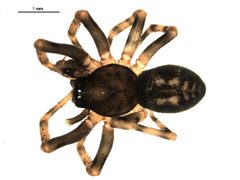
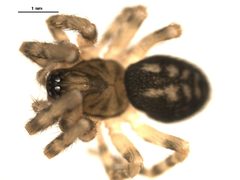
Cryphoeca montana is a of true spider in the Cybaeidae, originally described by Emerton in 1909. It is a spider belonging to the Cryphoecinae, which was historically classified within the family Hahniidae. The species occurs in forested of the United States and Canada, where it has been documented from under bark on dead trees, in leaf litter, moss, and beneath stones.
Pronunciation
How to pronounce Cryphoeca montana: /ˌkrɪfoʊˈiːkə mɒnˈtænə/
These audio files are automatically generated. While they are not always 100% accurate, they are a good starting point.
Identification
Members of the Cryphoecinae, including Cryphoeca montana, differ from Hahniinae spiders in arrangement: Cryphoecinae have spinnerets in two staggered rows rather than the single row of six spinnerets characteristic of Hahniinae. Identification of Cryphoecinae relies primarily on features of male and female genitalia and of the cheliceral fang furrow. Cryphoeca montana reaches nearly eight millimeters in body length as an , larger than most hahniids.
Images
Habitat
Forest , specifically under bark on dead trees, in leaf litter, moss, and under stones. The occurs in chronically rainy forest habitats and montane regions.
Distribution
United States and Canada. Distribution records include Vermont and other localities in North America. Most Cryphoecinae are restricted to areas west of the Rocky Mountains, principally in Canada and northern states.
Behavior
in activity pattern.
Similar Taxa
- Cryphoeca nivalisCongeneric in the same , distinguished by subtle genitalic characters and geographic distribution.
- Cryphoeca silvicolaAnother congeneric sharing similar preferences and habits, requiring examination of genitalia for definitive separation.
- Hahnia spp.Members of the same former (Hahniidae) but distinguished by arrangement in a single row and generally smaller body size.
Sources and further reading
- BugGuide
- Wikipedia
- GBIF taxonomy match
- iNaturalist taxon
- NCBI Taxonomy
- Catalogue of Life
- Bumble Bee Mellowing Out on the Mallow | Bug Squad
- Little Spurthroated Grasshopper
- Bug Eric: March 2014
- Study Identifies Areas in U.S. Most Suitable for Invasive Giant Hornet
- Cattle Grazing Helps Pollinators in Sagebrush Rangelands
- Cicadas Race to Catch Up With Their Evolving Endosymbionts