Pauropus huxleyi
Lubbock, 1867
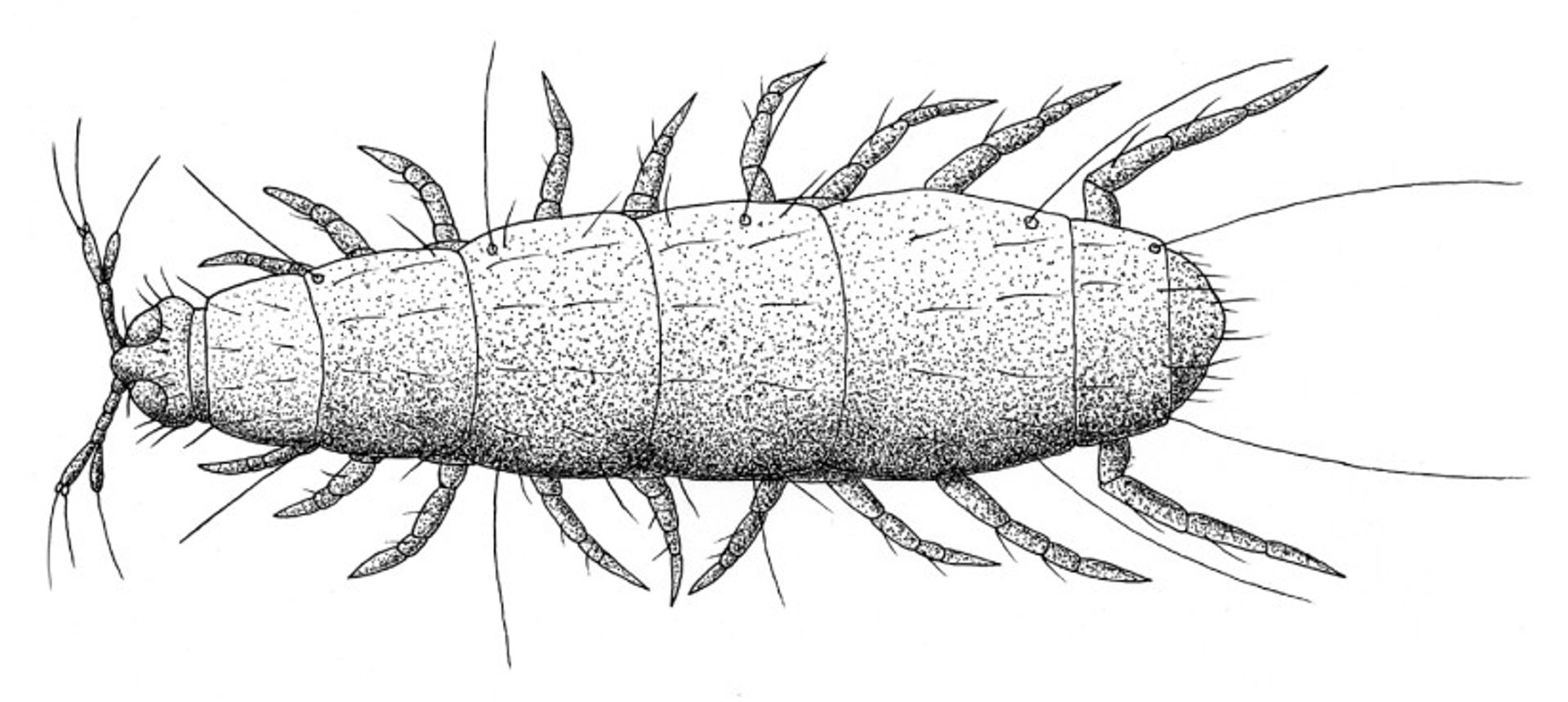
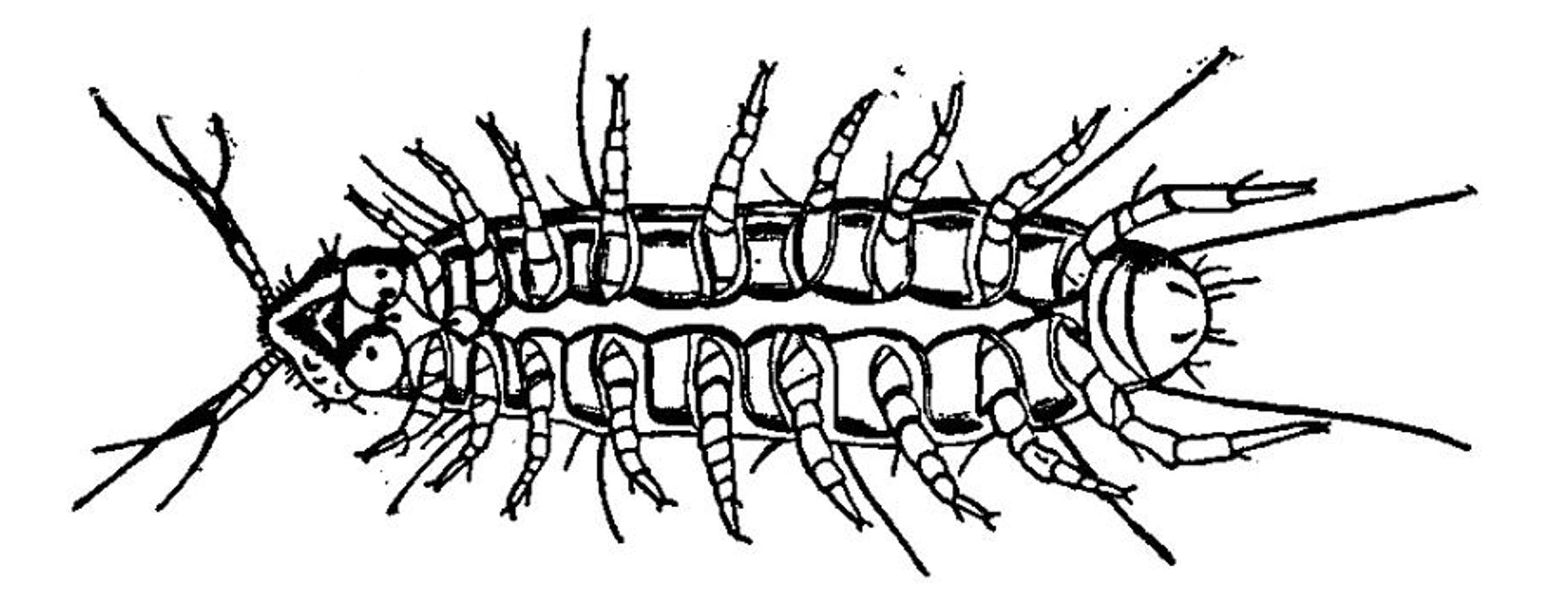
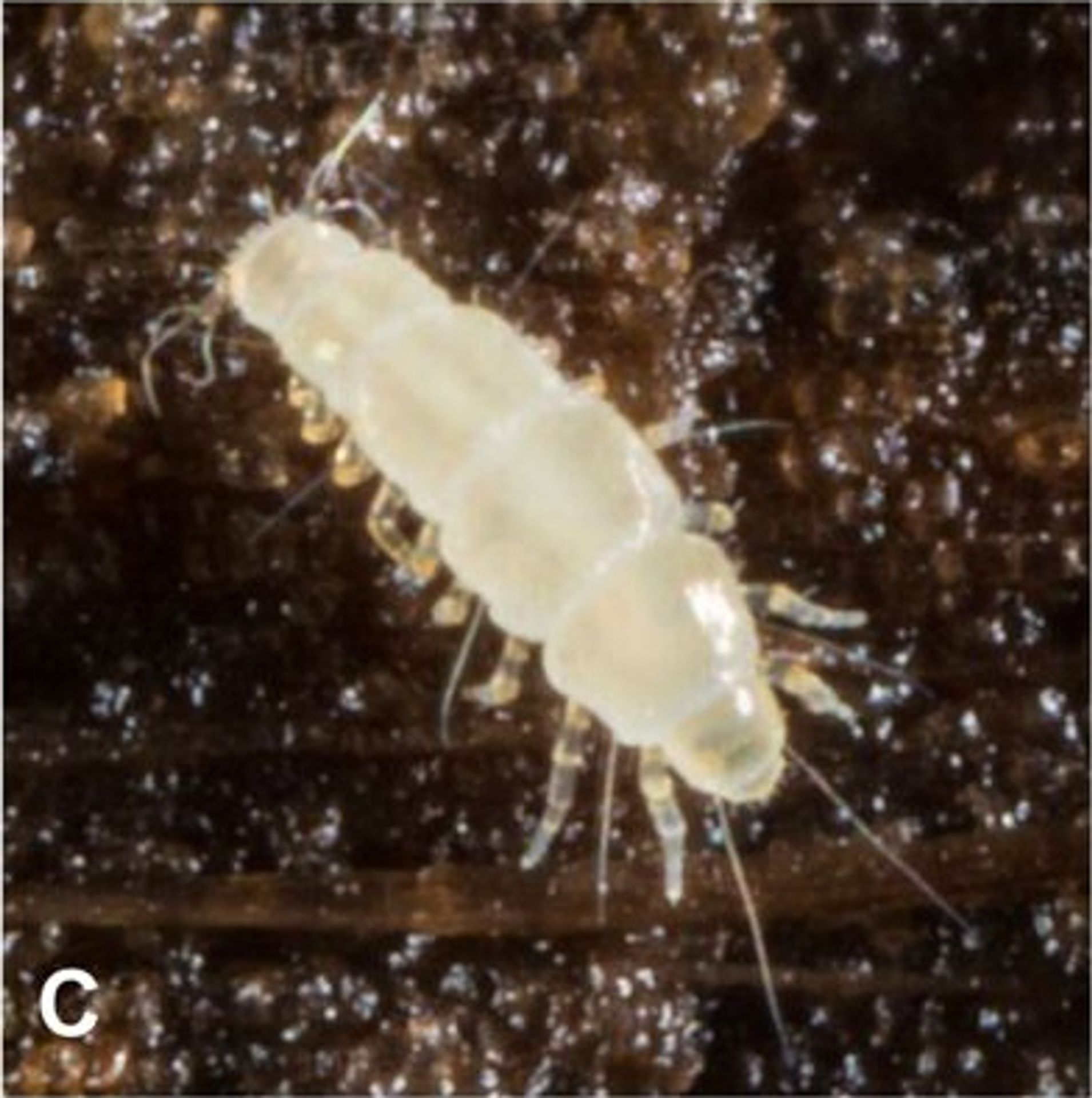
Pauropus huxleyi is a of minute myriapod in the class Pauropoda, described by Lubbock in 1867. Pauropods are small, soft-bodied arthropods typically less than 2 mm in length, characterized by 9–11 pairs of legs and distinctive branched . The species name honors Thomas Henry Huxley, the prominent 19th-century biologist and supporter of Darwin's theory of evolution. P. huxleyi has been recorded across multiple continents including Australia, Europe, and North America.
Pronunciation
How to pronounce Pauropus huxleyi: //ˌpaʊˈroʊpəs ˈhʌksli.aɪ//
These audio files are automatically generated. While they are not always 100% accurate, they are a good starting point.
Images
Habitat
Pauropods are generally found in soil and leaf litter in moist terrestrial environments. They require high humidity and are typically restricted to the upper soil layers and decaying organic matter.
Distribution
Recorded from Australia, Europe and Northern Asia (excluding China), and North America.
Similar Taxa
- Other Pauropus speciesPauropod identification requires examination of antennal structure, setation patterns, and other minute morphological features; P. huxleyi specifically distinguished by characteristics established in Lubbock's 1867 description.