Chicobolus spinigerus
(Wood, 1864)
Florida Ivory Millipede, Ivory Millipede
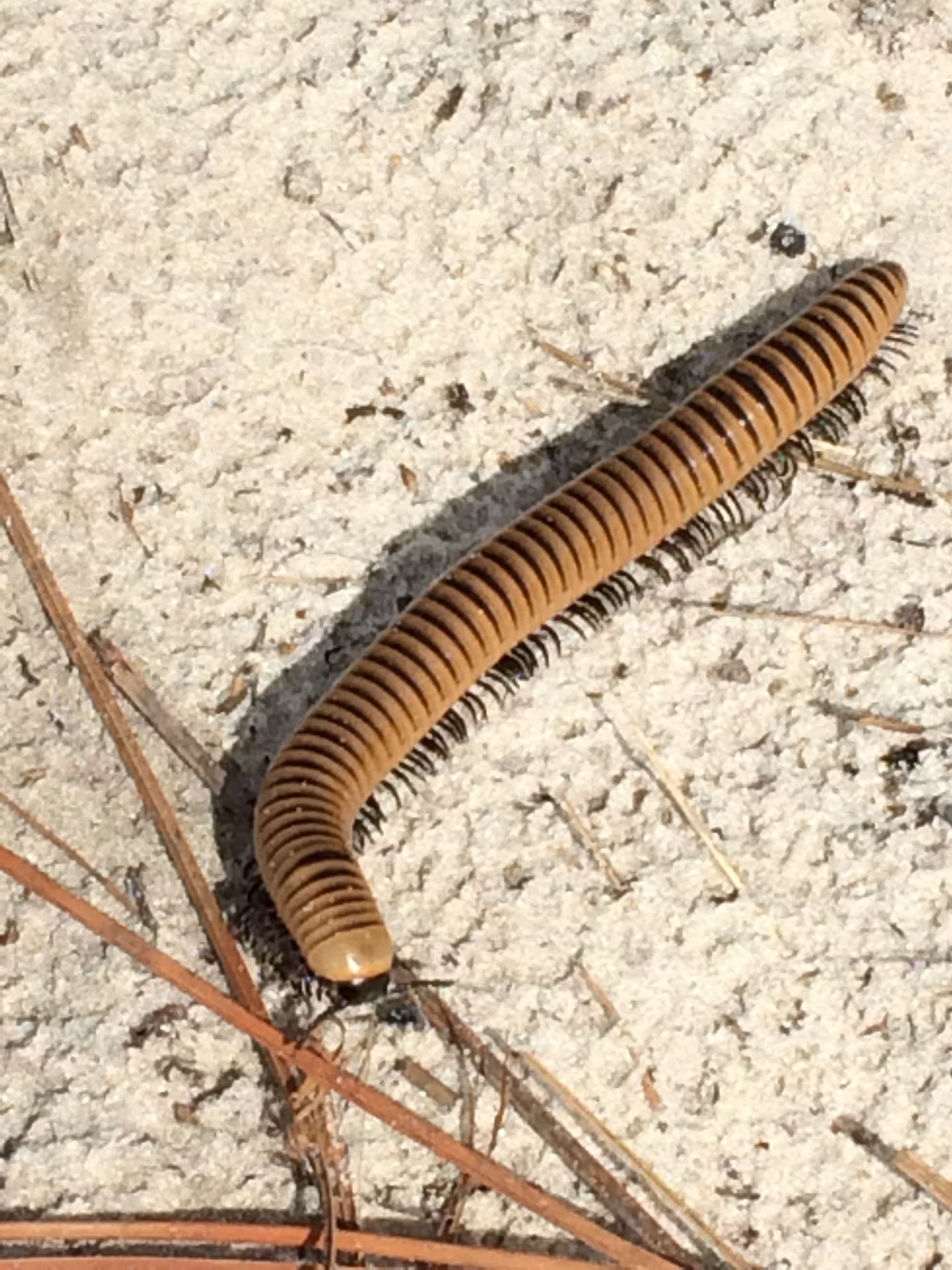
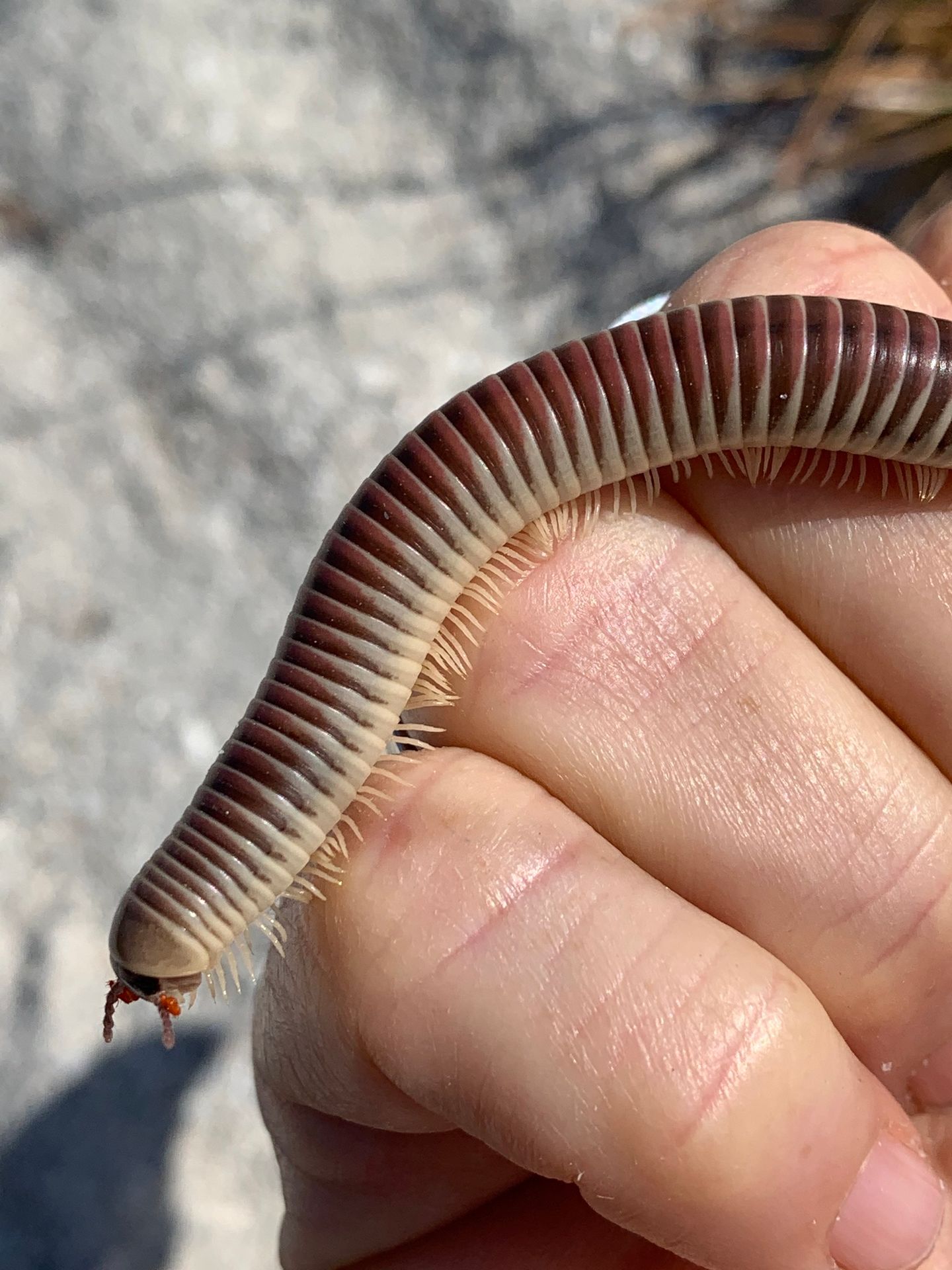
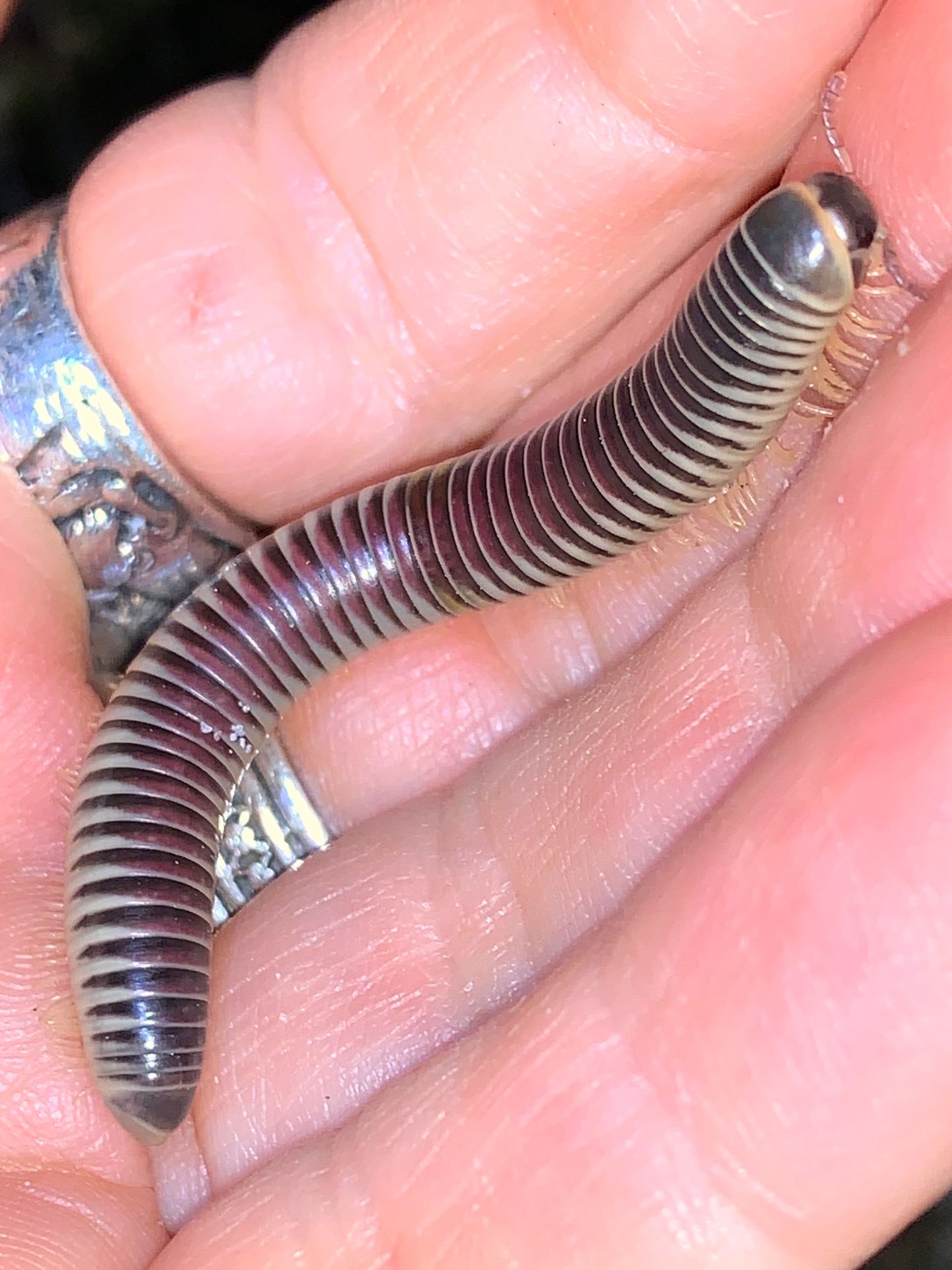
Chicobolus spinigerus is a large, cylindrical native to the southeastern United States, commonly known as the Florida Ivory Millipede. Males typically measure 40–85 mm in length, with females reaching up to 90 mm. The has been documented as a natural intermediate for the parasitic acanthocephalan Macracanthorhynchus ingens, playing a role in the of this vertebrate . It is frequently kept in captivity by hobbyists and has become established in the pet trade.
Pronunciation
How to pronounce Chicobolus spinigerus: /tʃiːkoʊˈboʊləs spɪˈnɪdʒərəs/
These audio files are automatically generated. While they are not always 100% accurate, they are a good starting point.
Images
Distribution
Native to the southeastern United States. Occurs throughout the Florida Peninsula and panhandle, as well as southern Alabama, Georgia, and South Carolina.
Host Associations
- Macracanthorhynchus ingens - intermediate Parasitic acanthocephalan (Acanthocephala: Oligacanthorhynchidae) that develops within this before reaching its definitive vertebrate
Ecological Role
Intermediate in transmission dynamics; serves as a natural host for Macracanthorhynchus ingens, facilitating the parasite's development before it reaches its definitive vertebrate host
Human Relevance
Frequently kept in captivity by enthusiasts and hobbyists; commonly available in the pet trade as an entry-level for terrestrial arthropod husbandry
Sources and further reading
- BugGuide
- GBIF taxonomy match
- iNaturalist taxon
- NCBI Taxonomy
- Catalogue of Life
- Congrats to UC Davis Scientists Iris Bright and Megan Ma: Selected for NSF REPS Program | Bug Squad
- Sphecidae | Beetles In The Bush
- The Florida Ivory Millipede,Chicobolus spinigerus(Diplopoda: Spirobolidae): A Natural Intermediate Host ofMacracanthorhynchus ingens(Acanthocephala: Oligacanthorhynchidae)