
Litiulus alaskanus
(Cook, 1905)
Litiulus alaskanus is a small julid and the sole in the Litiulus. It is to the northeastern Pacific region, where it inhabits old-growth rainforests. The species is notable for its specialized diet of fungal fruiting bodies and its apparent physiological for drier conditions than most sympatric millipedes.
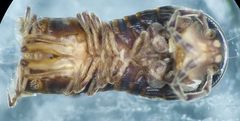
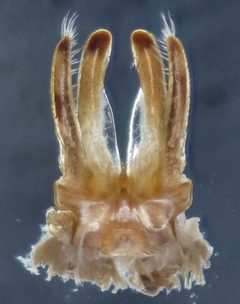
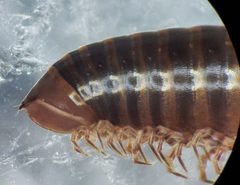
Pronunciation
How to pronounce Litiulus alaskanus: /lɪˈtjuːləs əˈlæskənəs/
These audio files are automatically generated. While they are not always 100% accurate, they are a good starting point.
Identification
The only in its ; identification relies on genitalic examination and geographic restriction to the Alaskan and Pacific Northwest region. Distinguished from other Parajulidae in the region by its generic status and northeastern Pacific distribution.
Images
Habitat
Old-growth rainforests of the northeastern Pacific. Has been observed to persist in harsher, drier microclimates than co-occurring .
Distribution
North America: northeastern Pacific region, including Alaska and the Pacific Northwest.
Diet
Primarily consumes fruiting fungal bodies; occasionally feeds on slime molds.
Ecological Role
Saprophagous decomposer; contributes to nutrient cycling through consumption of fungal fruiting bodies in forest .
Similar Taxa
- Other ParajulidaeCo-occur in the same geographic range but lack the specific dietary specialization and apparent drought of L. alaskanus; require genitalic examination for definitive separation.
More Details
Monotypic genus
Litiulus contains only L. alaskanus, making -level identification within the straightforward once the genus is confirmed.
Physiological tolerance
The has been suggested to be hardier than sympatric millipedes, with an ability to endure drier climates, though specific physiological mechanisms remain undocumented.