Proteroiulus fuscus
(Am Stein, 1857)
Ochre Snake Millipede
Proteroiulus fuscus is a small European in the Blaniulidae, commonly known as the Ochre Snake Millipede. It exhibits in body size, with females notably larger than males. The has a widespread but patchy distribution across Europe, being absent from several countries in the Balkans and Mediterranean region as well as various European islands.
Pronunciation
How to pronounce Proteroiulus fuscus: /proʊˌtɛroʊˈaɪjʊləs ˈfʌskəs/
These audio files are automatically generated. While they are not always 100% accurate, they are a good starting point.
Identification
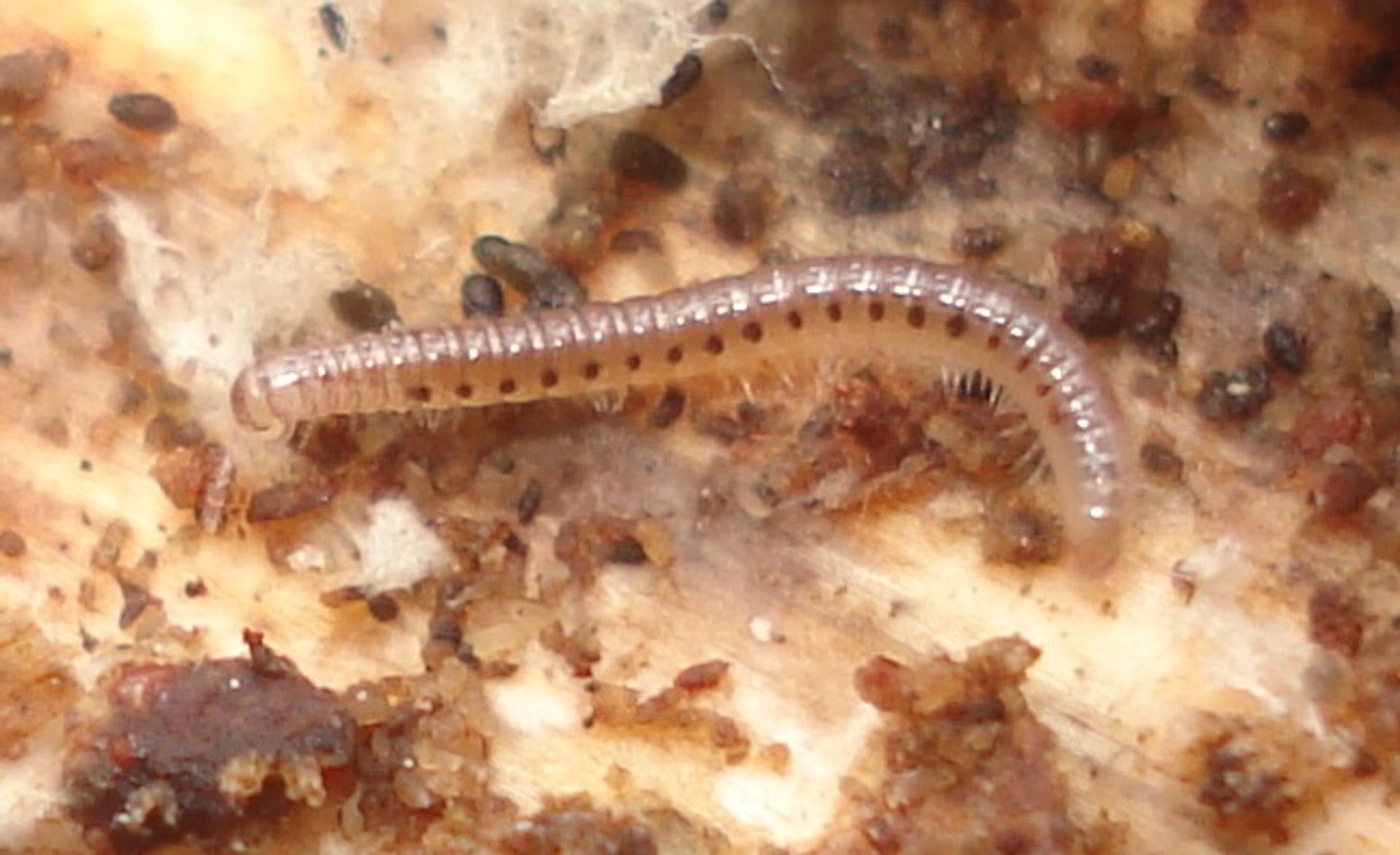
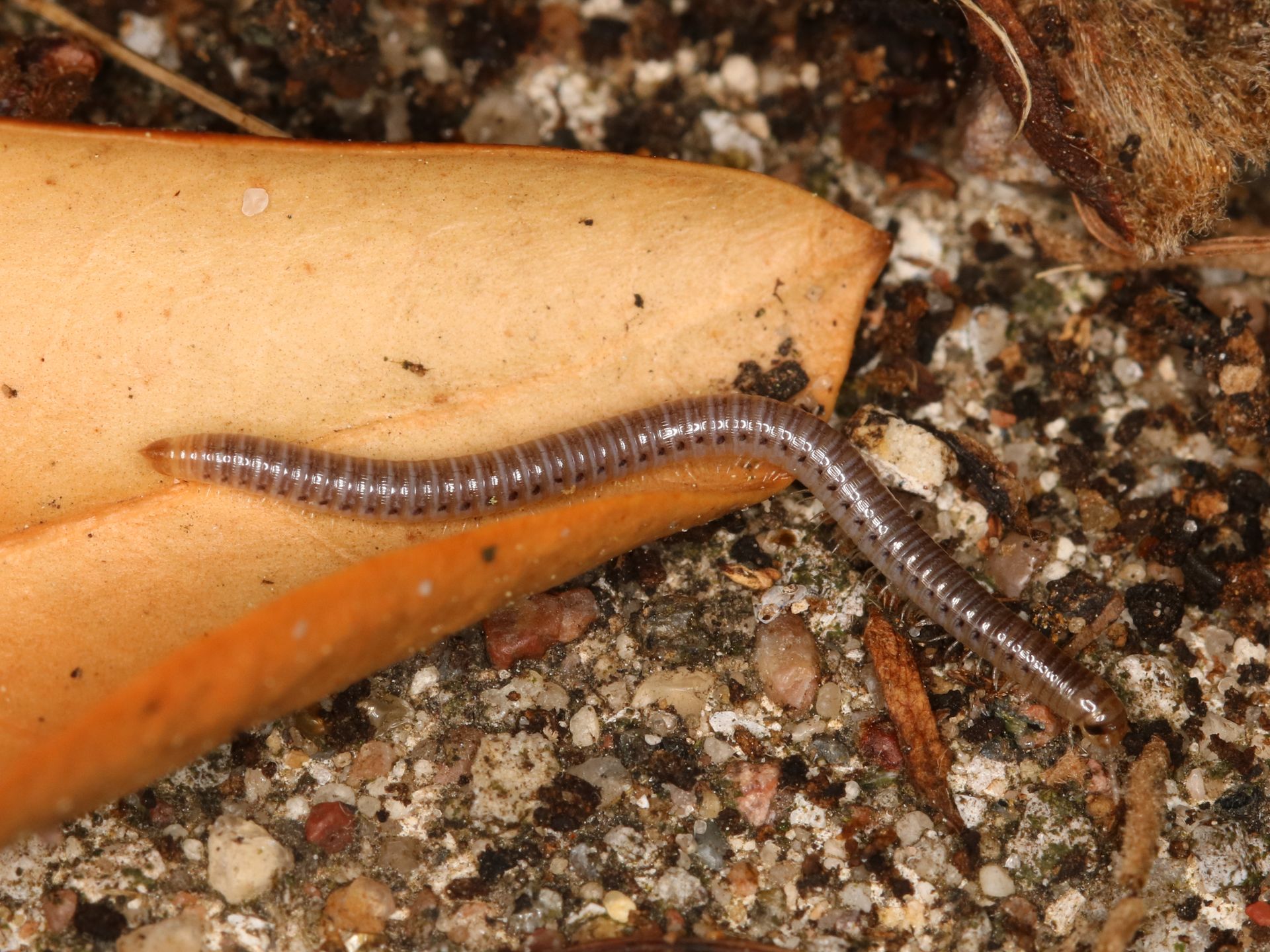
Distinguished from similar blaniulid millipedes by the combination of dark/brownish ozadenes and setae that exceed the metazonite length in number (6–14 per segment). The pronounced size difference between sexes is also notable. Accurate identification to level typically requires examination of in males.
Images
Appearance
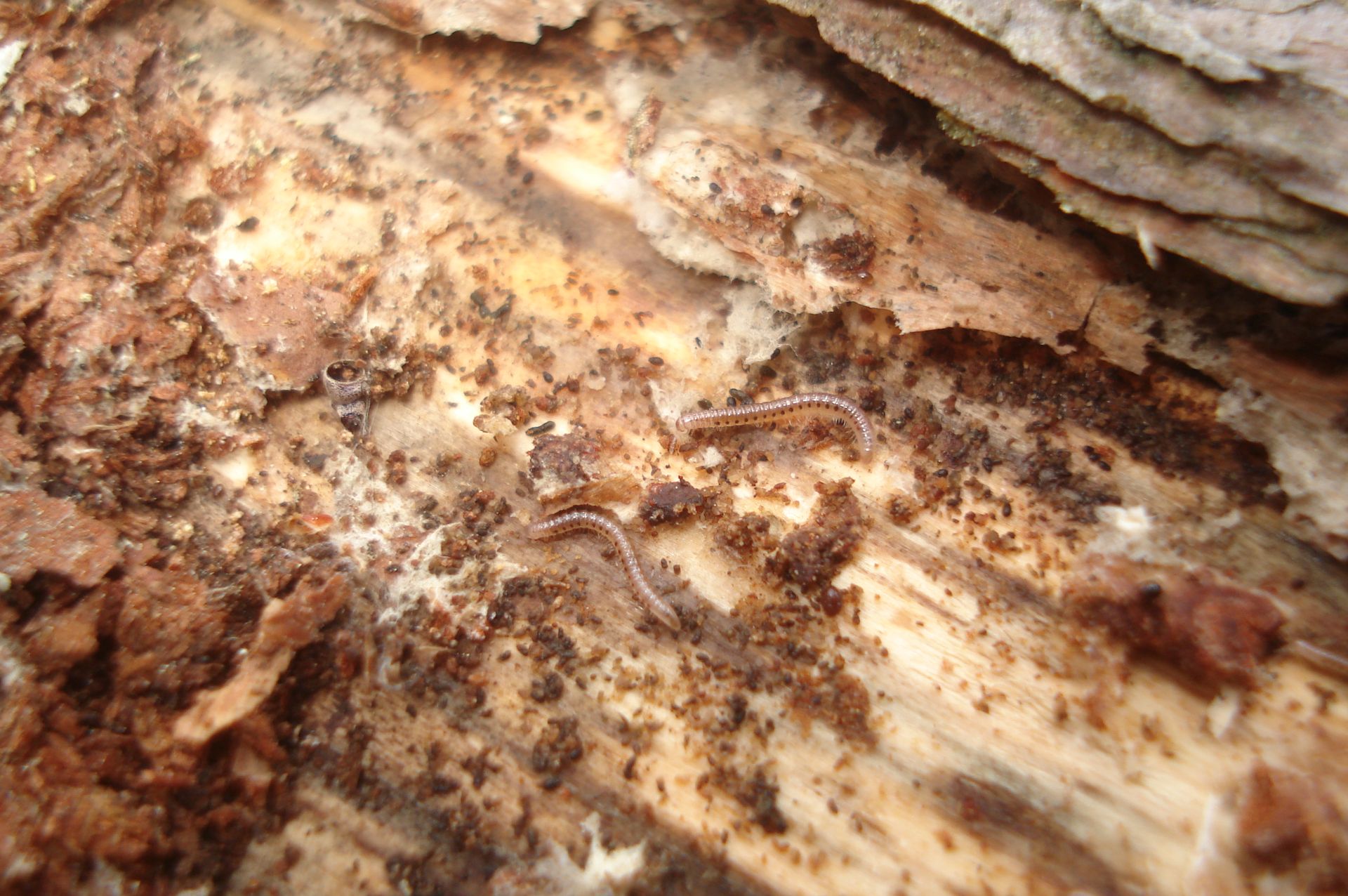
Small, slender with cylindrical body. Males measure 6.5–8.5 mm long and 0.5–0.7 mm wide; females are larger, 7.0–13.4 mm (up to 15 mm) long and 0.5–0.9 mm wide. Ozadenes (defensive glands) are dark or brownish in color. Each body segment bears 6–14 setae that extend slightly beyond the length of the metazonite ( portion of the segment).
Distribution
Widespread across Europe with notable gaps. Present in most of western, northern, central and eastern Europe. Absent from: Albania, Andorra, Liechtenstein, Moldova, Monaco, Romania, San Marino, Vatican City, all states of former Yugoslavia, and some European islands. Distribution records also include the Azorean islands (Faial, Flores, Pico, São Miguel, Santa Maria), suggesting either native presence or anthropogenic introduction.
Similar Taxa
- Other Proteroiulus species members share general body form and preferences; require examination of male for definitive separation
- Blaniulus guttulatusOverlapping European distribution and similar size; differs in ozadene coloration and setal characteristics
More Details
Taxonomic history
Originally described as Blaniulus fuscus by Am Stein in 1857; later transferred to Proteroiulus
Azorean records
GBIF distribution records indicate presence on five Azorean islands (Faial, Flores, Pico, São Miguel, Santa Maria), which may represent human-mediated introduction given the ' absence from other Atlantic islands in its native range
Sources and further reading
- BugGuide
- Wikipedia
- GBIF taxonomy match
- iNaturalist taxon
- NCBI Taxonomy
- Catalogue of Life
- What a Micro Moth! | Bug Squad
- A Mural Like No Other | Bug Squad
- Potato Bug Lovers, Unite! A 'Vienna Sausage' T-Shirt! | Bug Squad
- Sol Wantz Sheds Light on Jerusalem Crickets and Other Insects | Bug Squad
- The Changing Distributions of our Grasshoppers, Crickets and Relatives - Buglife Blog - Buglife
- What’s the difference between a cricket and a grasshopper? - Buglife Blog - Buglife