
Blaniulidae
Thin Snake Millipedes
Genus Guides
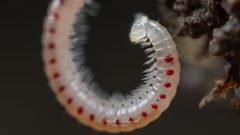
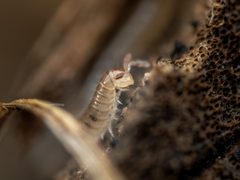
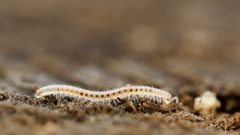
3Blaniulidae is a of julid millipedes characterized by extremely elongated, slender bodies with length-to-width ratios reaching 30:1. Members possess distinctive ozadenes (odiferous defensive glands) visible as spots on each segment, and may have present or absent depending on . The family exhibits diverse preferences including leaf litter, soil, caves, and environments. Several contain troglobitic species restricted to subterranean habitats, while others are widespread across Europe and have been introduced to other continents.
Pronunciation
How to pronounce Blaniulidae: //blæˈnjʊlɪˌdeɪ//
These audio files are automatically generated. While they are not always 100% accurate, they are a good starting point.
Identification
Distinguished from other julid by combination of extremely slender body form (length:width ratio up to 30:1), presence of ozadenes as segmental spots, and variable ocular development. Within Julida, the 30:1 length-to-width ratio exceeds that of most other families. Troglobitic eyeless; epigean species typically with ocelli. Choneiulus palmatus specifically identified by single row of ocelli paralleling margin, 14-20 long setae on metazonite margins, and with fringed funnel terminations. Separation from similar slender julids requires examination of gonopod structure and ozadene position.
Images
Appearance
Elongated, cylindrical millipedes with extremely slender bodies; length-to-width ratio up to 30:1. Each segment bears distinctive paired spots representing ozadenes (odiferous defensive glands). with variable presence: eyes may be present as a single row of ocelli paralleling the margin, or completely absent in troglobitic . Body composed of numerous segments with 2 pairs of legs per segment typical of Diplopoda. Some species with 14-20 long setae on and dorsolateral margins of metazonites. in males terminating in funnel with fringed margins in some .
Habitat
Diverse: leaf litter at deciduous woodland edges, soil, caves, superficial subterranean (mesovoid shallow substratum/MSS), nests, mole nests, under bark and in dead wood of old trees. in buildings, waste ground, churchyards, and cultivated areas. Native populations often associated with basic and calcareous bedrock. Some exclusively subterranean; others occur in both epigean and hypogean habitats.
Distribution
Native to western, central, and northern Europe with southernmost records in southern France and northernmost in northern Sweden. Atlantic zone of northwest Europe. Macaronesia (Madeira, Azores). Introduced to North America and Tasmania. Records from Algeria. Specific with restricted distributions: Acipes in Macaronesia and Iberian Peninsula; Cibiniulus in Slovakia; Thassoblaniulus in Albania.
Seasonality
of Choneiulus palmatus collected February–June and September–November in British and Irish Isles. Postembryonic development documented over multiple years in Finnish . Seasonal patterns for other not documented.
Life Cycle
Postembryonic development occurs over multiple years (documented in Finnish Choneiulus palmatus ). presence seasonal in some . Detailed developmental stages not described.
Behavior
Defensive secretion from ozadenes when disturbed. Some occasionally agricultural pests. Troglobitic species restricted to permanent darkness in caves and MSS .
Ecological Role
Decomposer in leaf litter and soil . Ozadenes produce defensive secretions.
Human Relevance
Choneiulus palmatus occasionally reported as agricultural pest. facilitate passive to new regions including North America and Tasmania. Subject of sequencing research (626.52 Mb -level assembly).
Similar Taxa
More Details
Genome resources
-level assembly available for Choneiulus palmatus: 626.52 Mb from female collected in Oxfordshire, England
Troglobitic diversity
Multiple contain exclusively subterranean : Acipes (3 of 4 Iberian species), Cibiniulus, Thassoblaniulus
Sources and further reading
- BugGuide
- Wikipedia
- GBIF taxonomy match
- iNaturalist taxon
- NCBI Taxonomy
- Two new species of the millipede family Blaniulidae (Diplopoda, Julida) from caves in central and southeastern Europe
- The genus Acipes Attems, 1937 in the Iberian Peninsula (Diplopoda, Julida, Blaniulidae), with the description of three new species from Spain
- The genome sequence of the millipede, Choneiulus palmatus (Nĕmec, 1895) (Julida: Blaniulidae).