
Megarcys
Klapálek, 1912
springflies
Species Guides
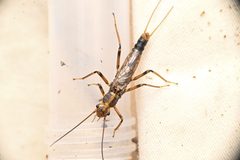
1- Megarcys subtruncata(Truncate Springfly)
Megarcys is a of springflies in the Perlodidae, comprising approximately 11 described . The genus was established by Klapá in 1912. Species occur primarily in cold-water across northern regions of North America and Asia. Megarcys belongs to the tribe Arcynopterygini within the Perlodinae.


Pronunciation
How to pronounce Megarcys: //mɛˈɡɑːrsɪs//
These audio files are automatically generated. While they are not always 100% accurate, they are a good starting point.
Images
Habitat
Cold, well-oxygenated lotic waters including streams and rivers. As members of Perlodidae, are associated with rocky substrates in running water systems.
Distribution
Northern Holarctic distribution. Records include Siberia, Amur region (Russia), Alaska, Alberta, and British Columbia. The spans transcontinental ranges across and montane regions of North America and Asia.
Life Cycle
As Plecoptera, development includes , nymph, and stages. Nymphs are aquatic and undergo multiple instars before emerging as winged adults. Specific developmental details for Megarcys are not documented.
Ecological Role
Aquatic nymphs function as or in stream , contributing to nutrient cycling and serving as prey for fish and other aquatic predators. are terrestrial and do not feed.
Similar Taxa
- ArcynopteryxBoth belong to tribe Arcynopterygini and share similar Holarctic distributions and cold-water preferences. Distinguishing features require examination of genitalia and wing venation.
- KogotusAnother in Perlodinae with overlapping geographic range; separation relies on detailed morphological characters including thoracic and abdominal structures.
More Details
Taxonomic Note
The Megarcys is classified in the tribe Arcynopterygini, which contains several genera of cold-adapted springflies with disjunct distributions between western North America and eastern Asia.
Species Diversity
Eleven are currently recognized, with several described relatively recently (e.g., M. teslenkonis, 2010) and others dating to the late 19th and early 20th centuries.