
Arcynopterygini
Ricker & Scudder, 1975
springflies
Genus Guides
6- Frisonia
- Megarcys(springflies)
- Oroperla
- Perlinodes
- Salmoperla
- Skwala(springflies)
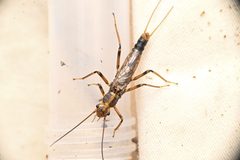
Arcynopterygini is a tribe of springflies (Plecoptera) within the Perlodidae. The tribe contains approximately 11 and more than 30 described . Members are distributed across the Northern Hemisphere, with genera found in North America, Europe, and Asia. The tribe was established by Ricker & Scudder in 1975.


Pronunciation
How to pronounce Arcynopterygini: /ˌɑːr.sɪ.noʊ.ptəˈrɪ.dʒɪ.naɪ/
These audio files are automatically generated. While they are not always 100% accurate, they are a good starting point.
Identification
Arcynopterygini can be distinguished from other tribes in Perlodidae by specific wing venation patterns and male genitalia structures. in this tribe generally lack the distinctive thoracic gills found in some related perlodid groups. The Arcynopteryx, the type genus, serves as a reference point for tribal characteristics. Detailed identification requires examination of specimens under magnification.
Images
Habitat
in Arcynopterygini inhabit cold, well-oxygenated freshwater environments. Larvae are found in streams and rivers with rocky or gravel substrates. typically occurs near these aquatic . Specific microhabitat preferences vary by and species.
Distribution
The tribe has a Holarctic distribution. occur across North America (Frisonia, Oroperla, Perlinodes, Salmoperla, Setvena, Skwala, Sopkalia), Europe (Arcynopteryx, Megarcys, Neofilchneria), and Asia (Pseudomegarcys, Salmoperla).
Life Cycle
Like all Plecoptera, Arcynopterygini has hemimetabolous development with , nymph, and stages. Larval development occurs entirely in aquatic environments. The duration of nymphal development varies among and is temperature-dependent. Adults are short-lived and do not feed.
Ecological Role
Larvae function as or in stream , contributing to nutrient cycling and organic matter processing. Their presence indicates high water quality. They serve as prey for fish and other aquatic predators.
Human Relevance
Arcynopterygini are used as bioindicators of stream health and water quality. They are not considered pests and have no direct economic impact on agriculture or forestry. The tribe is of interest to aquatic entomologists and freshwater ecologists.
Similar Taxa
- PerlodiniAnother tribe in Perlodinae; distinguished by differences in male genitalia structure and wing venation patterns
- Isoperlinae within Perlodidae; members typically have different body proportions and preferences
More Details
Etymology
The tribal name derives from Arcynopteryx, the type , combined with the suffix -ini indicating tribe rank.
Taxonomic History
The tribe was formally described by Ricker & Scudder in 1975 as part of a broader revision of Perlodidae classification. The Skwala was transferred to this tribe based on larval and .