Acroneuria lycorias
(Newman, 1839)
Boreal Stonefly, Boreal Stone
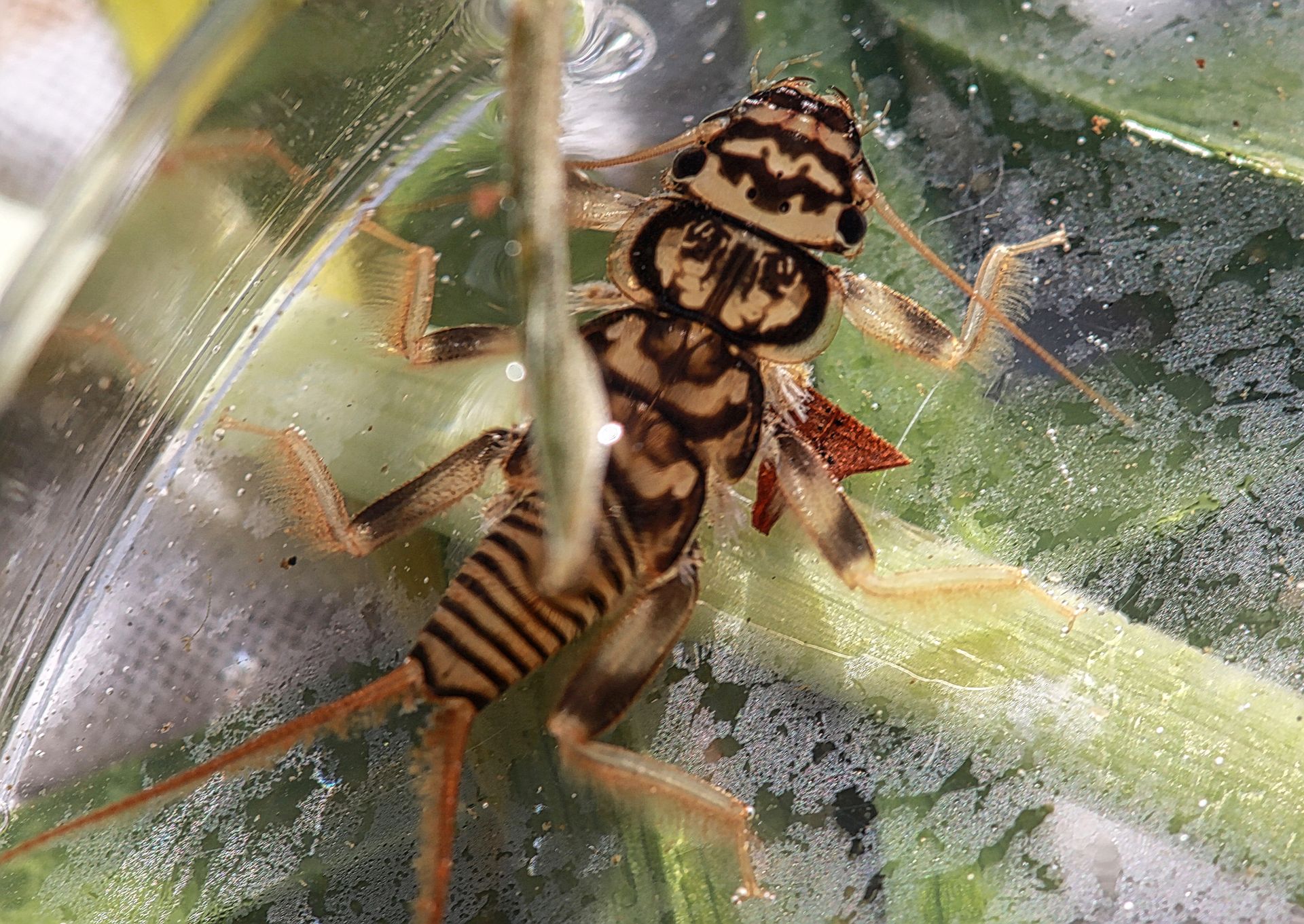
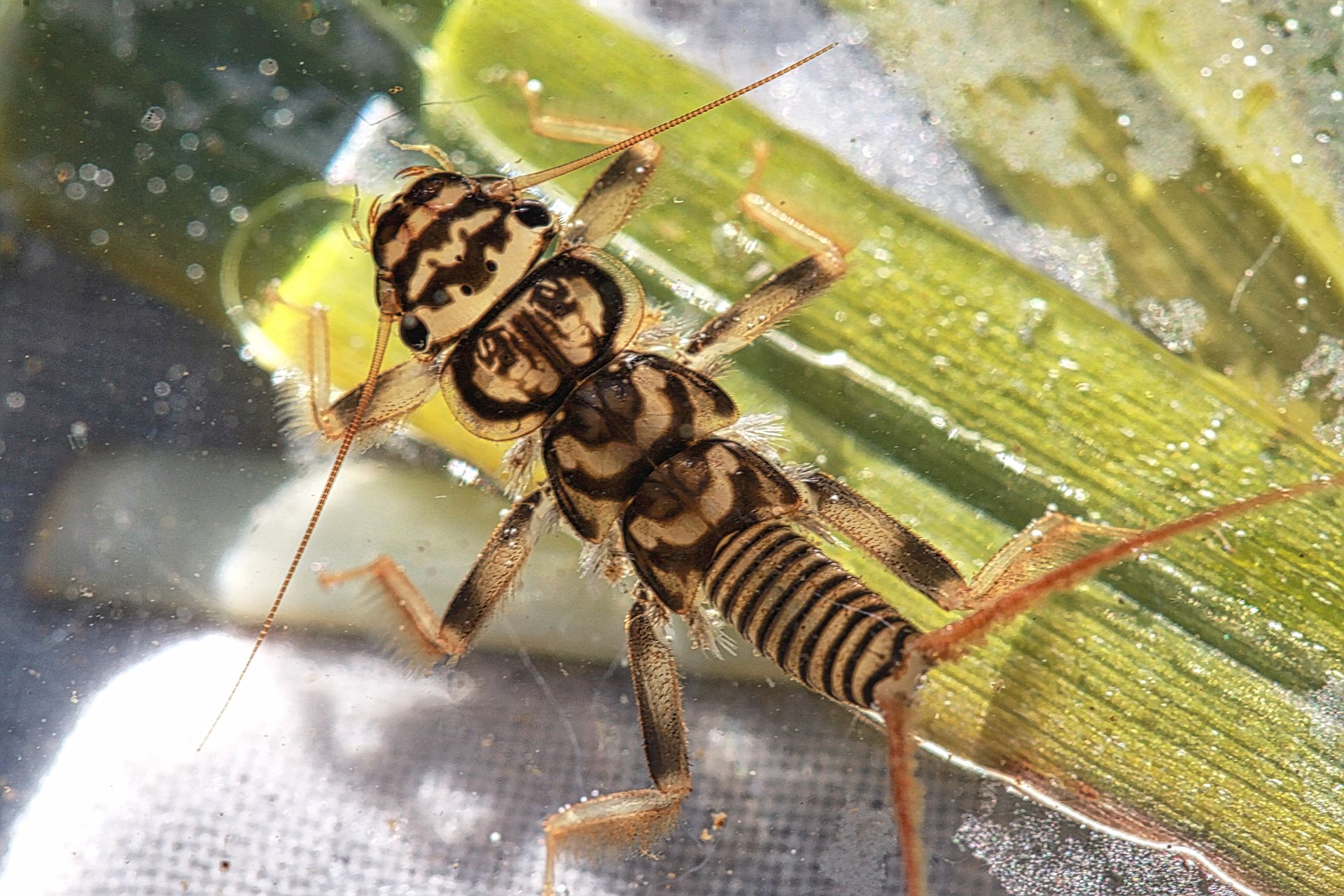
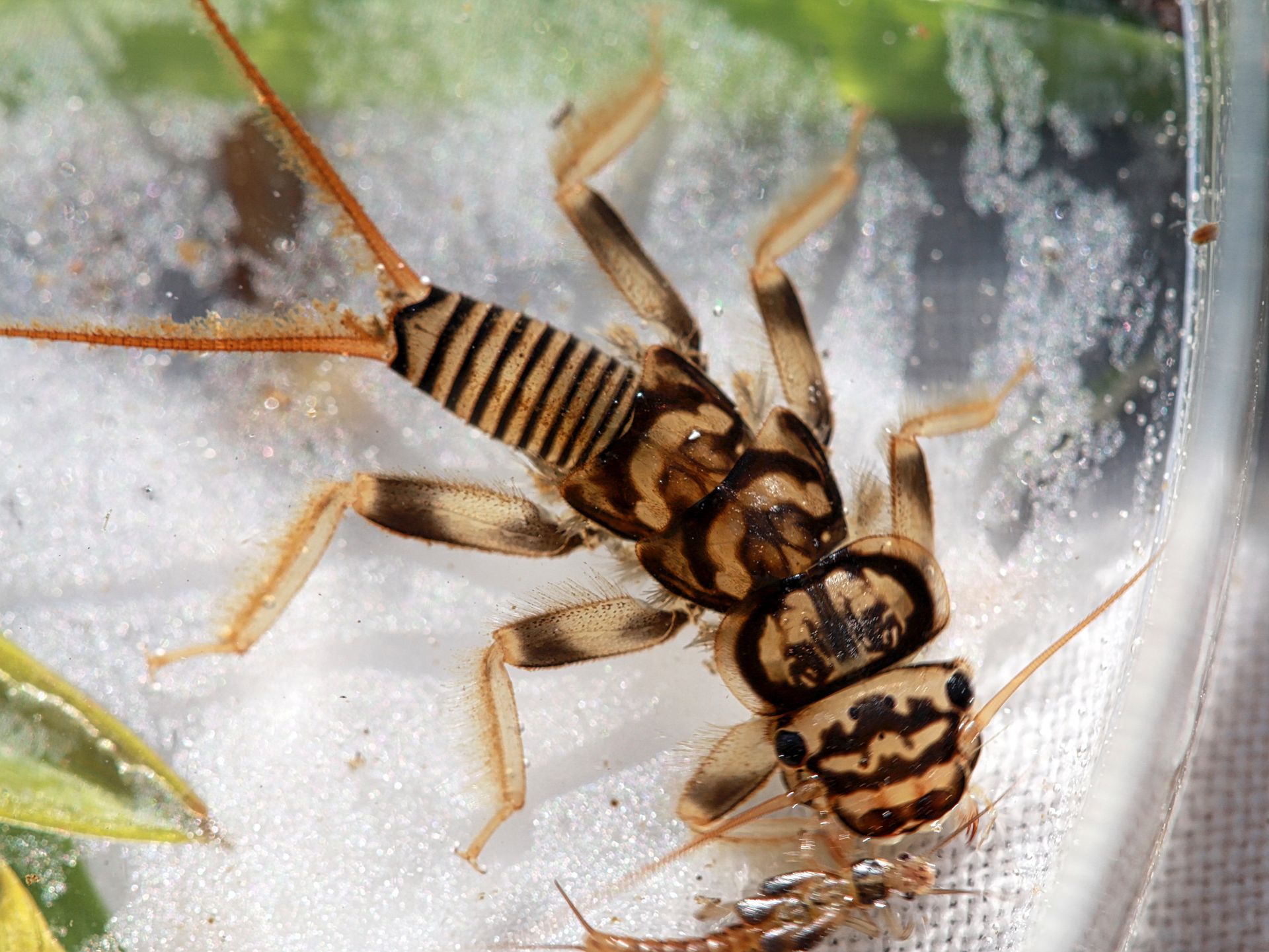
Acroneuria lycorias, commonly known as the , is a large stonefly native to North America. It inhabits cold water bodies across a broad range from northern Canada to the southeastern United States. The species has a three-year with aquatic, predatory nymphs. As a member of the Perlidae , it serves as an indicator of clean, well-oxygenated aquatic .
Identification
As a large perlid , A. lycorias can be distinguished from smaller stonefly by body size and wing venation. Within Acroneuria, -level identification requires examination of male genitalia and detailed wing patterns. The Acroneuria is characterized by specific thoracic and abdominal markings that separate it from related perlid genera such as Perlesta and Neoperla.
Images
Habitat
Inhabits large cold water bodies including streams and rivers. In Alberta, specifically documented from streams. Requires well-oxygenated, clean water conditions typical of unpolluted lotic environments.
Distribution
North America: northern Quebec south through New England to Florida, westward to Ontario, Manitoba, Saskatchewan, and Tennessee. Documented from Alberta in Canada. GBIF records confirm presence in Connecticut, Florida, Iowa, Kentucky, and Maine.
Diet
Nymphs are . Specific prey items have not been documented for this .
Life Cycle
Three-year . Nymphs are aquatic; are terrestrial and short-lived.
Ecological Role
As a predatory , nymphs function as intermediate in aquatic . The serves as a bioindicator of water quality due to sensitivity to pollution and requirement for cold, oxygen-rich . may provide food for riparian .
Human Relevance
Used as an for monitoring aquatic health and water quality. Sensitive to pollution, making its presence a marker of intact, clean water systems. No documented direct economic importance.
Similar Taxa
- Other Acroneuria speciesRequire genitalia examination for definitive separation; A. lycorias distinguished by specific male aedeagal structure and geographic range overlap considerations.
- Perlesta speciesSmaller perlid stoneflies with different abdominal patterning and typically shorter periods.
- Neoperla speciesRelated perlids with distinct wing venation and coloration patterns; often found in warmer water .
More Details
Etymology
The name 'lycorias' derives from Lycorias, one of the Nereids (sea nymphs) of Greek mythology.
Conservation status
Not considered endangered, though like all stoneflies, highly vulnerable to degradation and pollution.