Alloperlini
Surdick, 1985
Genus Guides
2Alloperlini is a tribe of stoneflies within the Chloroperlidae, established by Surdick in 1985. Members of this tribe are small to medium-sized predatory insects found primarily in running water . The tribe is distinguished by specific wing venation patterns and genitalic structures that separate it from related groups within Chloroperlinae. Alloperlini stoneflies are predominantly Nearctic in distribution, with most occurring in North American streams and rivers.
Pronunciation
How to pronounce Alloperlini: //ˌæloʊpɜːrˈlaɪnaɪ//
These audio files are automatically generated. While they are not always 100% accurate, they are a good starting point.
Identification
Alloperlini can be distinguished from the related tribe Chloroperlini by the arrangement of crossveins in the forewing, particularly the position and number of crossveins between R and M . Male genitalia provide definitive identification: Alloperlini possess aedeagal hooks with specific curvature and paraprocts that are not strongly . Nymphs are difficult to distinguish to tribe level without examination of gill remnants and mouthpart structure. The tribe is restricted to the Nearctic region, which helps separate it from superficially similar Palearctic Chloroperlidae. Species-level identification requires examination of male genitalia under magnification.
Images
Appearance
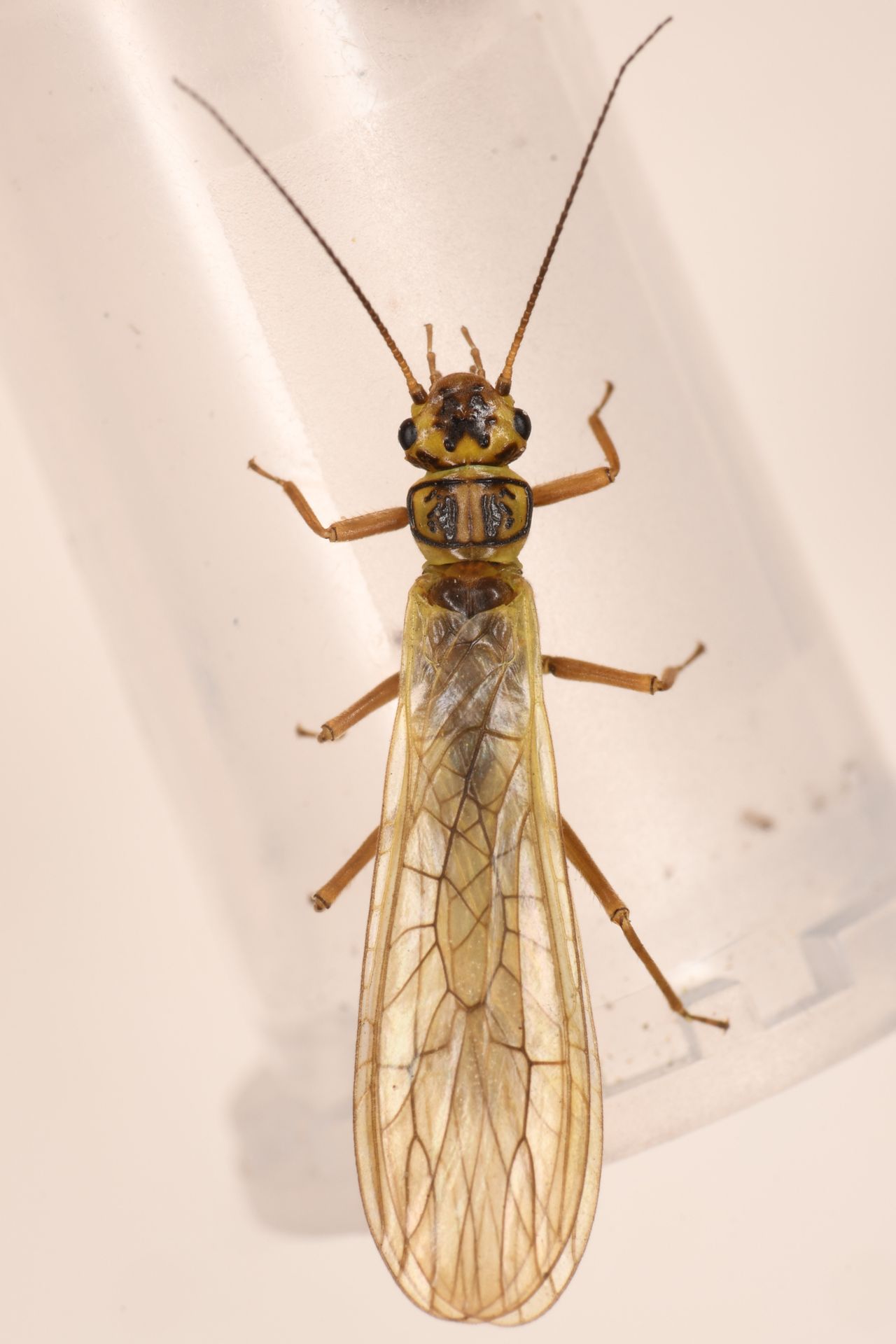
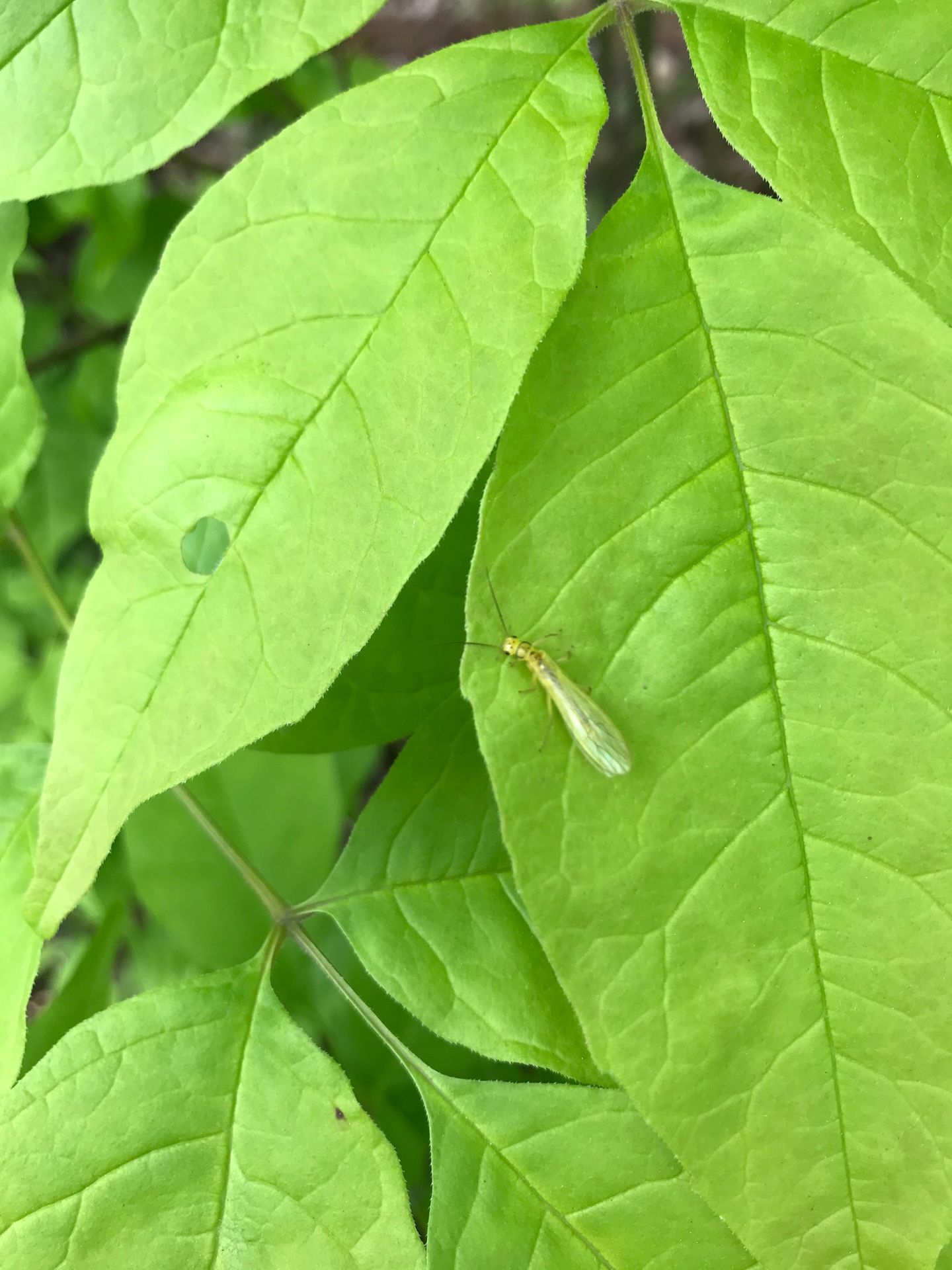
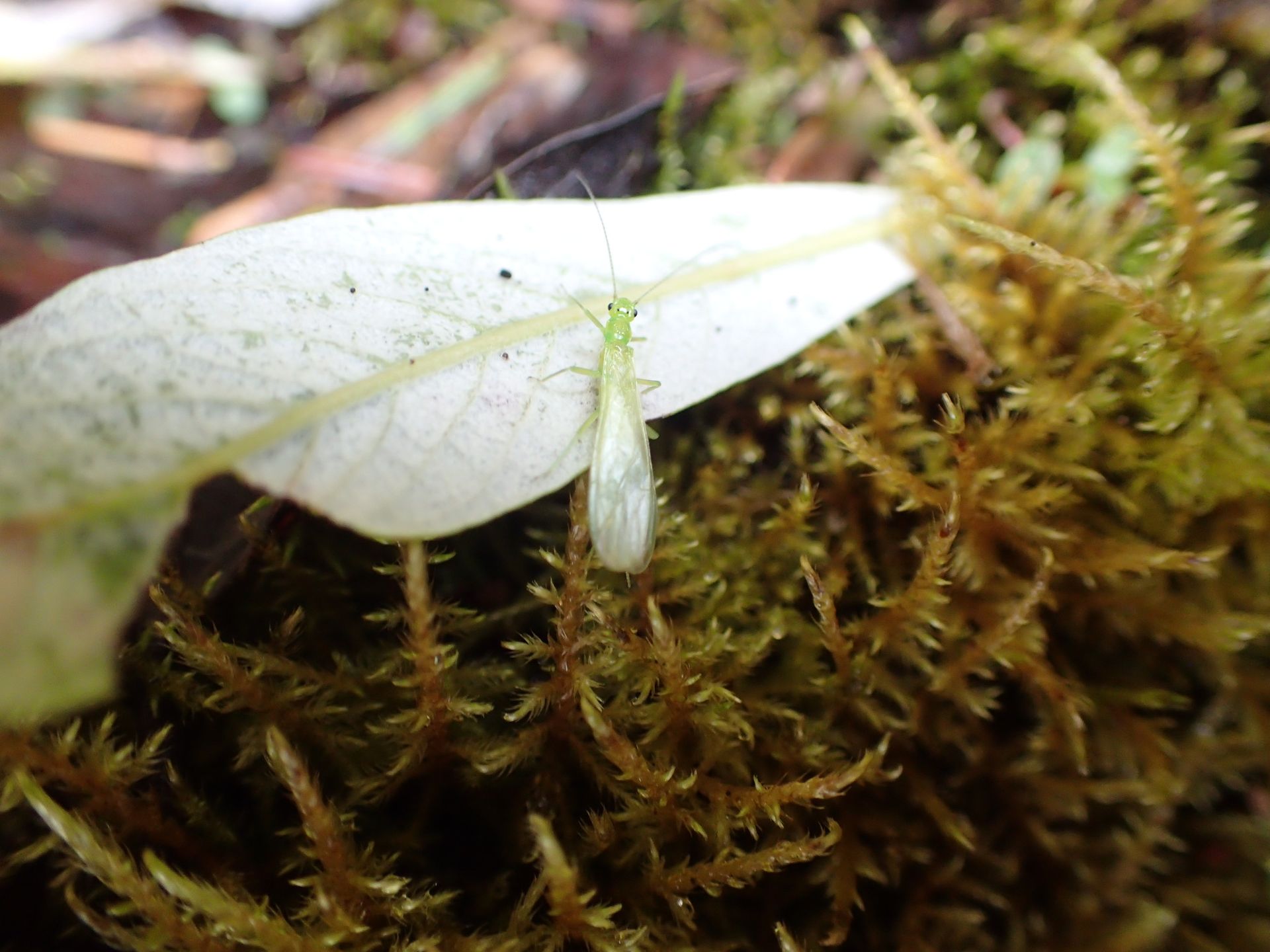
are small to medium-sized stoneflies, generally 5-15 mm in body length. Wings are membranous with reduced or simplified venation compared to other perloid groups. Body coloration ranges from pale yellow to green or brown, often with distinctive patterning on the and . Nymphs are flattened and streamlined, adapted for clinging to substrates in fast-flowing water. are typically long and multi-segmented. The tribe is characterized by specific arrangements of crossveins in the forewing and modifications to male genitalia, particularly the structure of the and paraprocts.
Habitat
Alloperlini inhabit lotic environments, primarily cool to cold streams and rivers with moderate to fast current. They are most abundant in small to medium-sized streams with rocky or gravel substrates. Nymphs require well-oxygenated water and are sensitive to temperature increases and sedimentation. are typically found in riparian vegetation near sites, rarely dispersing far from water.
Distribution
The tribe is predominantly Nearctic in distribution, with recorded across North America from Alaska and Canada through the contiguous United States. Highest diversity occurs in the western and eastern mountain ranges, including the Rocky Mountains, Appalachians, and Pacific Coast ranges. The distribution extends from northern Mexico to Arctic regions of Canada and Alaska.
Seasonality
typically occurs in spring and early summer, with peak activity varying by latitude and elevation. Most emerge between March and July in temperate regions, with earlier emergence at lower elevations and later emergence at higher elevations. Some high-elevation species may emerge in late summer. Nymphs are present year-round, with growth rates dependent on water temperature.
Diet
Nymphs are predatory, feeding on small aquatic including larvae, small nymphs, and other microinvertebrates. Prey capture involves active pursuit or ambush from substrate positions. do not feed; the is reduced or non-functional in the adult stage.
Life Cycle
Hemimetabolous development with , nymph, and stages. Eggs are deposited directly into water or on substrates at the water surface. Nymphal development spans 6-12 months, typically with one per year (), though some high-elevation or northern may require two years (semivoltine). Nymphs undergo multiple instars, with the number of varying by species. occurs at the water surface or on emergent substrates; adults are short-lived, surviving 1-3 weeks.
Behavior
Nymphs are active that move across substrates in search of prey or wait in ambush positions. They display negative , seeking under stones during daylight. are weak fliers, typically remaining near sites. Mating occurs on vegetation or substrates near water; males use modified genitalia to grasp females during copulation. Females return to water to oviposit, often dipping the to release . Adults are primarily or in activity.
Ecological Role
Nymphs function as intermediate in stream , regulating of smaller . They serve as prey for larger aquatic predators including fish, salamanders, and other predatory insects. provides a seasonal pulse of food for riparian predators including birds, bats, and spiders. As sensitive indicators of cold, well-oxygenated water, their presence reflects high-quality stream conditions. They contribute to nutrient cycling through and egestion during nymphal development.
Human Relevance
Alloperlini are used as bioindicators in water quality monitoring programs due to their sensitivity to thermal pollution and sedimentation. They are not of direct economic importance as pests or beneficial species. Anglers occasionally encounter during spring fishing, though they are not significant as fish food compared to larger . The tribe has been studied in the context of climate change impacts on cold-water stream .
Similar Taxa
- ChloroperliniShares Chloroperlidae and similar size and coloration; distinguished by forewing crossvein arrangement and male genitalic structure, particularly paraproct .
- ParaperlinaeFormerly included within Chloroperlidae or related perloid ; differs in wing venation details and geographic distribution (primarily Palearctic or different Nearctic ranges).
- PerlodidaeSimilar-sized predatory stoneflies in same infraorder Systellognatha; distinguished by -level characters including wing venation patterns and nymphal gill structure.
More Details
Taxonomic History
The tribe was erected by Surdick in 1985 based on phylogenetic analysis of Chloroperlidae, separating Alloperla and related from Chloroperla and allies. This classification has been supported by subsequent morphological and molecular studies, though generic boundaries within the tribe continue to be refined.
Conservation Concerns
Several Alloperlini have restricted ranges in montane or spring-fed systems, making them vulnerable to climate warming, water extraction, and alteration. They are frequently included in regional species status assessments due to their specific habitat requirements.