
Chloroperlinae
Okamoto, 1912
Tribe Guides
2- Alloperlini
- Chloroperlini(green stoneflies)
Chloroperlinae is a of stoneflies within the Chloroperlidae, established by Okamoto in 1912. Members are commonly known as green stoneflies due to their characteristic coloration. The subfamily occurs across multiple continents in cold freshwater . emerge from aquatic environments to inhabit riparian zones.
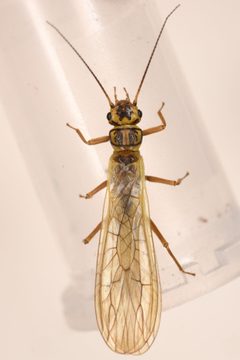
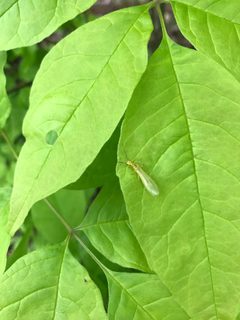
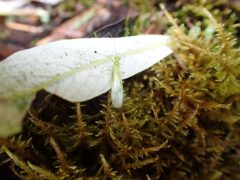
Pronunciation
How to pronounce Chloroperlinae: /ˌklɔːrəˈpɝlɪniː/
These audio files are automatically generated. While they are not always 100% accurate, they are a good starting point.
Identification
Distinguishing Chloroperlinae from other chloroperlid requires examination of male genitalia and wing venation patterns. Members of this subfamily generally lack the pronounced markings found in some related groups. Specific diagnostic characters for the subfamily versus the other recognized subfamily, Paraperlinae, are based on structural features of the and .
Images
Habitat
Aquatic nymphs inhabit the benthic zone of cold streams and rivers. occur in the riparian vegetation adjacent to these water bodies. are characterized by well-oxygenated, unpolluted water with rocky or gravel substrates.
Distribution
Recorded from five continents and four zoogeographical regions. Specific range boundaries within the Chloroperlidae are not well-delineated in published sources.
Life Cycle
Development includes , nymph, and stages. Nymphs are aquatic and undergo multiple instars before emerging as winged adults. Adults are terrestrial and short-lived.
Ecological Role
Nymphs function as or in stream , contributing to nutrient cycling in lotic . The Chloroperlidae, including this , serves as an indicator group for water quality monitoring due to sensitivity to pollutants.
Human Relevance
Members of the Chloroperlidae are used as for trout fishing. The 's pollution sensitivity makes it valuable for biomonitoring of freshwater health.
Similar Taxa
- ParaperlinaeThe other recognized within Chloroperlidae; distinguished by thoracic and abdominal structural characters, though specific differentiating features for Chloroperlinae require examination
More Details
Taxonomic note
The Chloroperlinae was established by Okamoto in 1912. Modern phylogenetic studies of Chloroperlidae have questioned the monophyly of traditionally recognized subfamilies, suggesting that taxonomic revisions may be needed.