Podmosta
Ricker, 1952
spring stoneflies
Species Guides
2- Podmosta macdunnoughi(maritime forestfly)
- Podmosta obscura(Brown-veined Forestfly)
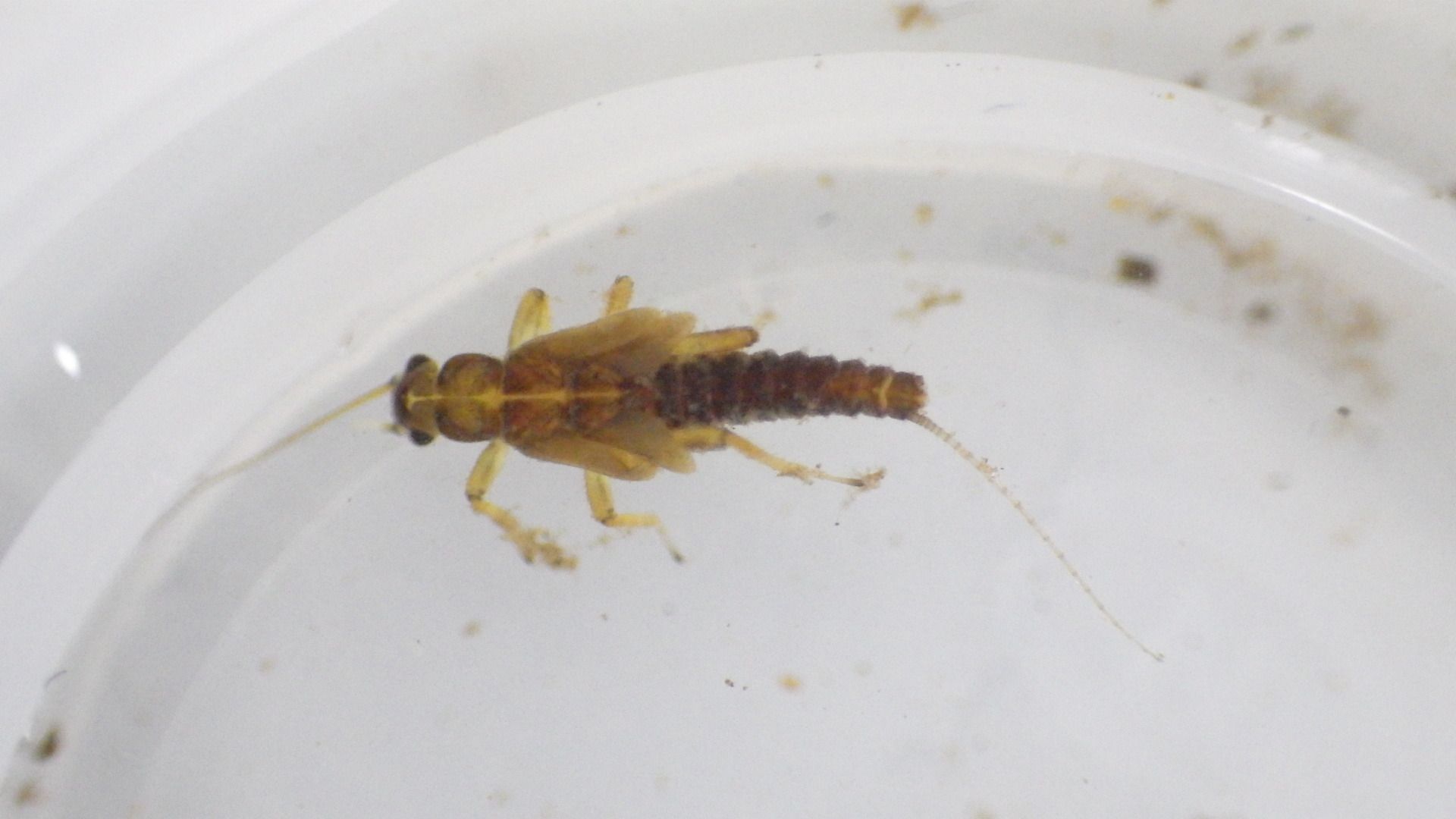
Podmosta is a of spring stoneflies in the Nemouridae, comprising approximately six described distributed across northern North America and the Russian Far East. The genus is notable for its to cold climates, including documented embryonic in at least one species. are active in spring, with nymphal development occurring primarily during winter months.
Pronunciation
How to pronounce Podmosta: //pɒdˈmɒstə//
These audio files are automatically generated. While they are not always 100% accurate, they are a good starting point.
Images
Habitat
Freshwater lotic environments, particularly streams in and glaciated regions. have been documented in outlet streams of lakes and similar flowing water .
Distribution
Northern North America including Alaska, Alberta, British Columbia, California, Quebec, and northern New England; Russian Far East. Distribution centers on glaciated and zones.
Seasonality
emerge in late April to early May (based on P. macdunnoughi in Quebec). Nymphs present year-round with peak activity during winter months; undergo from early summer through winter, hatching the following late June to early July.
Life Cycle
cycle with embryonic : laid in early summer enter dormancy until the following spring; nymphs hatch late June to early July and develop through five instars during fall and winter; emerge approximately one year after egg laying. This extended egg stage represents an to northern climates.
Similar Taxa
- Other Nemouridae generaPodmosta can be distinguished from related nemourid by genitalic characters and specific morphological features used in ; consultation of specialized Plecoptera keys is required for definitive identification.
More Details
Embryonic diapause
Podmosta macdunnoughi exhibits an unusual embryonic where enter dormancy immediately after laying and remain quiescent through winter, hatching the following spring. This trait appears to be an to northern climates and may be present in other congeneric .