Styracosceles
Hubbell, 1936
New Mexico camel cricket
Species Guides
1- Styracosceles neomexicanus(New Mexico camel cricket)
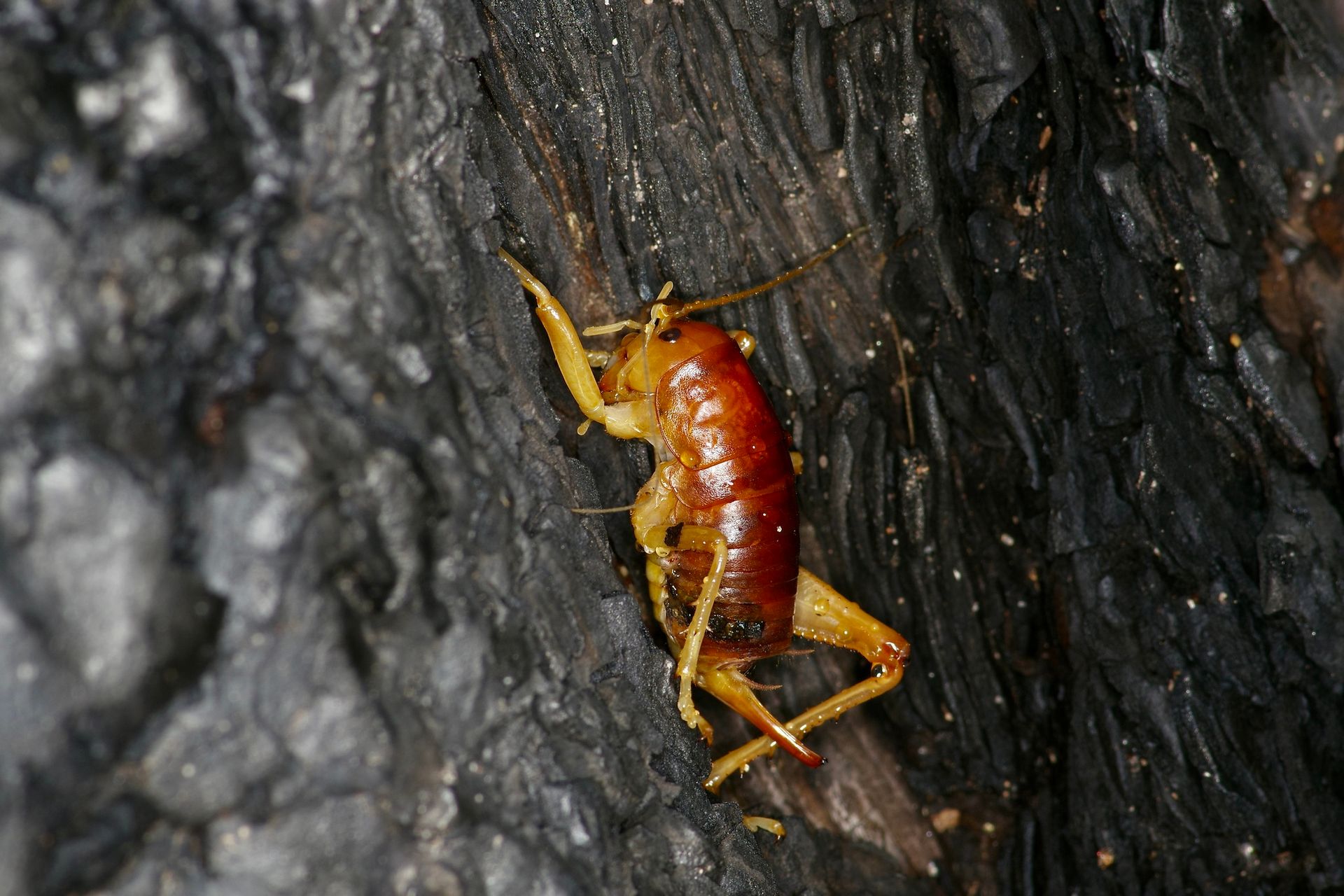
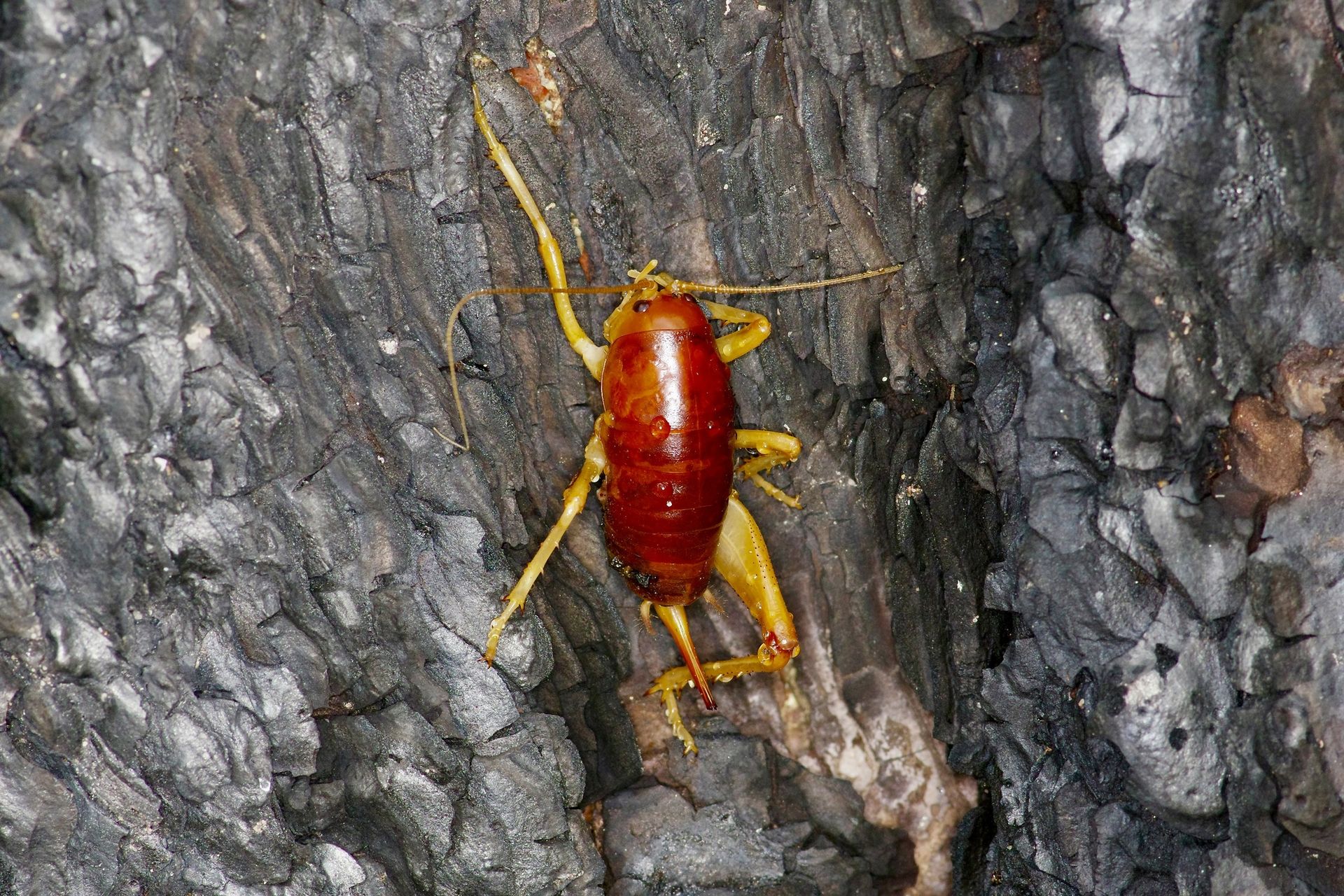
Styracosceles is a of camel crickets in the Rhaphidophoridae, established by Hubbell in 1936. The genus contains at least four described distributed in western North America, including the New Mexico camel cricket (Styracosceles neomexicanus). These crickets are part of the Ceuthophilinae and are found in arid and semi-arid .
Pronunciation
How to pronounce Styracosceles: /staɪəˌrakoʊˈsɛliːz/
These audio files are automatically generated. While they are not always 100% accurate, they are a good starting point.
Identification
Styracosceles can be distinguished from other camel cricket by features of the male genitalia, particularly the structure of the and epiphallus. The genus name refers to the spiny or horn-like projections on certain body parts. Specific identification to species level requires examination of these genitalic structures and comparison with .
Images
Habitat
in this inhabit arid and semi-arid environments of western North America. They are typically found in rocky areas, caves, and subterranean , consistent with the of other Ceuthophilinae camel crickets.
Distribution
Documented from Arizona, New Mexico, Oregon, and Washington in the United States. The four described show regional patterns: S. neomexicanus in New Mexico, S. oregonensis in Oregon, S. longispinosus with broader western distribution, and S. serratus from the southwestern region.
Behavior
As with other camel crickets in Rhaphidophoridae, in this are and prefer dark, humid microhabitats within otherwise arid landscapes. They are wingless and move by hopping.
Ecological Role
Functions as a decomposer in cave and rocky , feeding on organic detritus. Serves as prey for various in subterranean and surface .
Human Relevance
Occasionally encountered in caves and rocky areas by hikers and cavers. Not known to be a pest . S. neomexicanus is referenced by the "New Mexico camel cricket."
Similar Taxa
- CeuthophilusBoth are in the Ceuthophilinae and share cave-dwelling habits; Styracosceles differs in male genitalic structure and specific spination patterns.
- DaihinibaenetesAnother western North American camel cricket in the same tribe; distinguished by differences in tibial spination and genitalic .
More Details
Taxonomic history
The was established by Hubbell in 1936 to accommodate previously placed in Ceuthophilus that showed distinct morphological features, particularly in male genitalia. The type species is Styracosceles serratus (Rehn, 1905).