
Stethophyma gracilis
(Scudder, 1878)
Graceful Grasshopper
Stethophyma gracilis is a in the Gomphocerinae, native to western North America. It inhabits moist meadows and grasslands, particularly in montane and subalpine regions. The species is characterized by its slender body form and relatively long wings. are typically found at higher elevations compared to many other grasshopper species in the region.
Pronunciation
How to pronounce Stethophyma gracilis: //ˌstɛθoʊˈfaɪmə ˈɡræsɪlɪs//
These audio files are automatically generated. While they are not always 100% accurate, they are a good starting point.
Identification
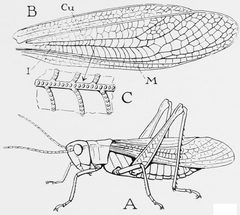
Distinguished from by the combination of long wings extending beyond the , slender body proportions, and the structure of the male . Differs from Stethophyma grossum (which occurs in overlapping range in some areas) by smaller size, more gracile build, and different preference—S. gracilis favors wetter sites. Male stridulatory file has fewer pegs than S. grossum. The name 'gracilis' refers to its slender appearance.
Images
Appearance
Medium-sized with a slender, elongate body. Pronotum is saddle-shaped and does not extend over the . Wings are long, extending well beyond the abdomen in most individuals. Coloration is typically greenish to brownish with variable patterning. Hind are relatively long and slender. are and of moderate length.
Habitat
Moist meadows, wet grasslands, marshes, and riparian zones in montane and subalpine regions. Often found in with standing water or saturated soils. Associated with sedges and rushes in addition to grasses. Elevation range typically 1,500-3,000 meters.
Distribution
Western North America: Rocky Mountain region from Montana and Wyoming south through Colorado and Utah. Also recorded in Idaho and adjacent areas. Distribution is discontinuous, with concentrated in suitable moist patches.
Seasonality
present from late July through September in most of the range. Nymphs develop through spring and early summer. One per year.
Diet
Primarily grasses (Poaceae), with sedges (Cyperaceae) and rushes (Juncaceae) also consumed. Has been observed feeding on various meadow grasses including of Poa, Festuca, and Carex.
Host Associations
- Poa spp. - food plantbluegrasses
- Festuca spp. - food plantfescues
- Carex spp. - food plantsedges
Life Cycle
stage overwinters. Nymphs emerge in late spring and develop through five instars. appear in mid to late summer. Mating occurs shortly after adult . Females deposit eggs in soil or plant stems in moist substrate. One annually.
Behavior
Males produce audible stridulation by rubbing hind against forewings. is relatively strong for the , with individuals capable of sustained flight over short distances. Often perches on vegetation rather than ground. Tends to remain in dense vegetation rather than exposed ground.
Ecological Role
Herbivore in moist meadow . Serves as prey for birds, small mammals, and predatory insects. densities are typically low to moderate; not known as a significant agricultural pest.
Human Relevance
No significant economic impact. Occasionally present in rangeland surveys but rarely reaches densities requiring management. Used as an for intact wet meadow in some conservation assessments.
Similar Taxa
- Stethophyma grossumLarger, more robust body; shorter wings relative to body length; prefers drier ; male stridulatory file with more pegs
- Pseudochorthippus curtipennisShorter wings not reaching tip; different male structure; similar but different stridulation pattern
- Chorthippus spp.Different pronotal shape; usually shorter wings; different stridulatory mechanism and song characteristics
More Details
Conservation Status
Not formally assessed by IUCN. appear stable where suitable persists, but wet meadow habitats are vulnerable to drainage, water diversion, and climate change effects in the Rocky Mountain region.
Taxonomic Note
The was originally described as Stethophyma gracile by Scudder in 1878. The ending has been subsequently adjusted to agree with the feminine gender of the Stethophyma, resulting in the current form S. gracilis.
Acoustic Characteristics
Male calling song consists of a series of short chirps produced by femoro-tegminal stridulation. Song structure differs from and is useful for field identification where ranges overlap.