
Acrolophitus
Thomas, 1871
Crested-keel grasshopper
Species Guides
4- Acrolophitus hirtipes(Green Fool Grasshopper)
- Acrolophitus maculipennis(Texas Point-head Grasshopper)
- Acrolophitus nevadensis(Nevada Point-Head Grasshopper)
- Acrolophitus pulchellus(Idaho point-headed grasshopper)
Acrolophitus is a of North in the Acrididae, Gomphocerinae. The genus contains at least four described , including Acrolophitus hirtipes, A. maculipennis, A. nevadensis, and A. pulchellus. These grasshoppers are found primarily in western North America, inhabiting rangeland and grassland . The genus is characterized by distinctive morphological features of the pronotum.

Pronunciation
How to pronounce Acrolophitus: //ˌæk.roʊˈlɒ.fɪ.təs//
These audio files are automatically generated. While they are not always 100% accurate, they are a good starting point.
Identification
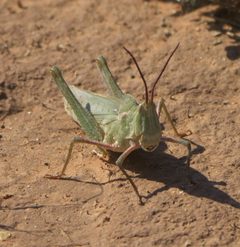
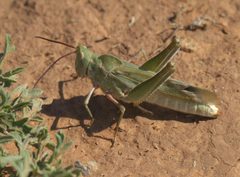
The Acrolophitus is distinguished from other Gomphocerinae by the presence of a pronounced crest or keel on the pronotum, giving rise to the "crested-keel " for A. hirtipes. The pronotum extends backward over the , a feature that separates this genus from superficially similar grasshoppers in other genera. within Acrolophitus are generally large, green grasshoppers. Specific identification to species level requires examination of male genitalia and subtle differences in coloration and patterning.
Images
Habitat
in this inhabit weedy rangeland and grassland environments. Acrolophitus hirtipes has been documented at elevations between 4,000 and 7,000 feet east of the Continental Divide in Wyoming. The genus appears to prefer open, dry with forb diversity.
Distribution
North America, specifically the western United States and adjacent Mexico. Distribution records include Colorado, Idaho, North Dakota, Nebraska, and Mexico (Northeast). The is found east of the Continental Divide in at least some portions of its range.
Seasonality
Acrolophitus hirtipes overwinters as in the soil. Nymphs appear early in spring, with present in July and August. This seasonal pattern suggests a for at least this .
Diet
Acrolophitus hirtipes feeds on forbs and has been observed to prefer plants from the Boraginaceae (borage ). The feeding habits of other in the are not well documented.
Host Associations
- Boraginaceae - food plantpreferred by A. hirtipes
Life Cycle
overwinter in the soil. Nymphs hatch early in spring and develop through several instars. are present in mid to late summer (July–August). The appears to be , with one per year.
Ecological Role
Acrolophitus function as primary consumers in grassland and rangeland . Based on observations of A. hirtipes, they appear to be minor components of and do little economic damage to rangelands.
Human Relevance
Acrolophitus hirtipes is considered to have minimal economic impact on rangelands. The is not known to be a significant agricultural pest.
Similar Taxa
- AeropedellusBoth belong to Gomphocerinae and share slant-faced grasshopper , but Acrolophitus has a distinctive crested pronotum not found in Aeropedellus.
- HesperotettixSimilar green coloration and preferences, but Acrolophitus has a more pronounced pronotal crest and different shape.
More Details
Taxonomic History
The was established by Thomas in 1871. The tribe Acrolophitini was erected to accommodate this genus and its close relatives within Gomphocerinae.
Species Diversity
Four are consistently recognized: Acrolophitus hirtipes (Say), A. maculipennis, A. nevadensis (Thomas), and A. pulchellus. Acrolophitus nevadensis was originally described by Thomas, the same author who established the .