
Lestes unguiculatus
Hagen, 1861
Lyre-tipped Spreadwing
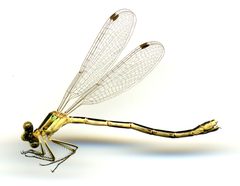
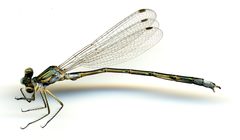
Lestes unguiculatus, commonly known as the Lyre-tipped Spreadwing, is a of in the Lestidae. The species is native to North America and holds its wings at approximately 45 degrees to the body when at rest, a characteristic trait of the Lestidae family that distinguishes spreadwings from most other damselflies. The IUCN lists the species as Least Concern () with a stable , last reviewed in 2017.
Pronunciation
How to pronounce Lestes unguiculatus: /ˈlɛs.teːs ʊŋ.ɡwiː.kuˈlaː.tʊs/
These audio files are automatically generated. While they are not always 100% accurate, they are a good starting point.
Identification
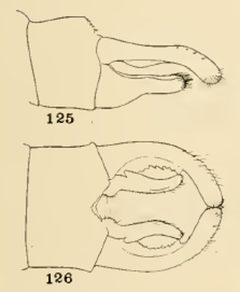
Members of the Lestes can be distinguished from most other by their wing posture at rest: wings are held spread at roughly 45 degrees to the body rather than folded together parallel to the . The specific epithet "unguiculatus" (meaning "clawed" or "with small claws") may refer to distinctive terminal appendages, though this requires verification. -level identification within Lestes typically requires examination of male and female ovipositor .
Images
Distribution
North America. Specific distribution records include Vermont, USA.
Diet
Nymphs are predatory. A study of diel feeding found that nymphal food intake was uniformly high between 12:00 and 18:00 hours and reduced during the night.
Life Cycle
Hemimetabolous development with aquatic nymphal stage. Nymphs exhibit diel feeding periodicity with peak feeding activity during daylight hours (12:00–18:00) and reduced feeding at night.
Behavior
Nymphs exhibit diel (24-hour cycle) feeding patterns, with feeding intensity uniformly high during midday to evening hours and reduced during nighttime. rest with wings spread at approximately 45 degrees to the body.
Ecological Role
Nymphs function as in aquatic . Diet overlap with co-occurring odonate varies depending on whether detrital material is included in dietary analysis.
Similar Taxa
- Lestes dryasBoth are spreadwing (Lestidae) with similar wing posture and preferences; L. dryas is distinguished as the Scarce Emerald Damselfly in Europe and is Near Threatened, while L. unguiculatus occurs in North America
- Other Lestes speciesCongeneric share the characteristic spreadwing resting posture; precise identification requires examination of male terminal appendages and female ovipositor structure
Sources and further reading
- BugGuide
- Wikipedia
- GBIF taxonomy match
- iNaturalist taxon
- NCBI Taxonomy
- Catalogue of Life
- Bug Eric: Bosque del Apache National Wildlife Refuge
- Bug Eric: January 2016
- Canvey Wick - February Projects with the South East England Youth Nature Network - Buglife Blog - Buglife
- Bug Eric: New Mexico Dragonfly Blitz - Day 3
- Diel feeding ecology of the nymphs of Aeshna multicolor and Lestes unguiculatus (Odonata)