
Lestes tenuatus
Rambur, 1842
Blue-striped Spreadwing
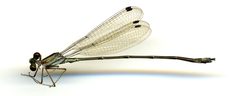
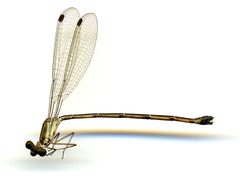
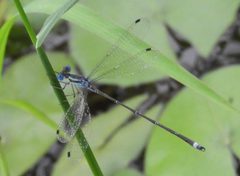
Lestes tenuatus, commonly known as the blue-striped spreadwing, is a in the Lestidae. It has a broad distribution across the Caribbean, Central America, North America, and South America. The species is classified as Least Concern by the IUCN with a stable . Like other spreadwings, it typically perches with its wings partially open rather than folded together over the .
Pronunciation
How to pronounce Lestes tenuatus: //ˈlɛstɛs ˌtɛn.juˈeɪ.təs//
These audio files are automatically generated. While they are not always 100% accurate, they are a good starting point.
Identification
As a spreadwing , Lestes tenuatus can be distinguished from pond damselflies ( Coenagrionidae) by its characteristic resting posture with wings held at approximately 45 degrees from the body rather than folded together above the . Specific identification features for this within the Lestes require examination of abdominal appendages and thoracic patterning. Males typically show blue coloration on the .
Images
Distribution
Caribbean Sea region, Central America, North America, and South America. GBIF records confirm presence across these broad geographic regions.
Behavior
Perches with wings partially spread, a characteristic trait of the Lestidae.
Similar Taxa
- Lestes dryasBoth are spreadwing in the same with similar preferences near water; L. dryas is distinguished by more extensive pruinosity in mature males and different abdominal appendage structure
- Lestes sponsaEuropean spreadwing with similar and ; geographic separation is the primary distinguishing factor
- Coenagrionidae (pond damselflies)Different of that rest with wings folded together over the rather than partially spread