Archilestes grandis
(Rambur, 1842)
Great Spreadwing
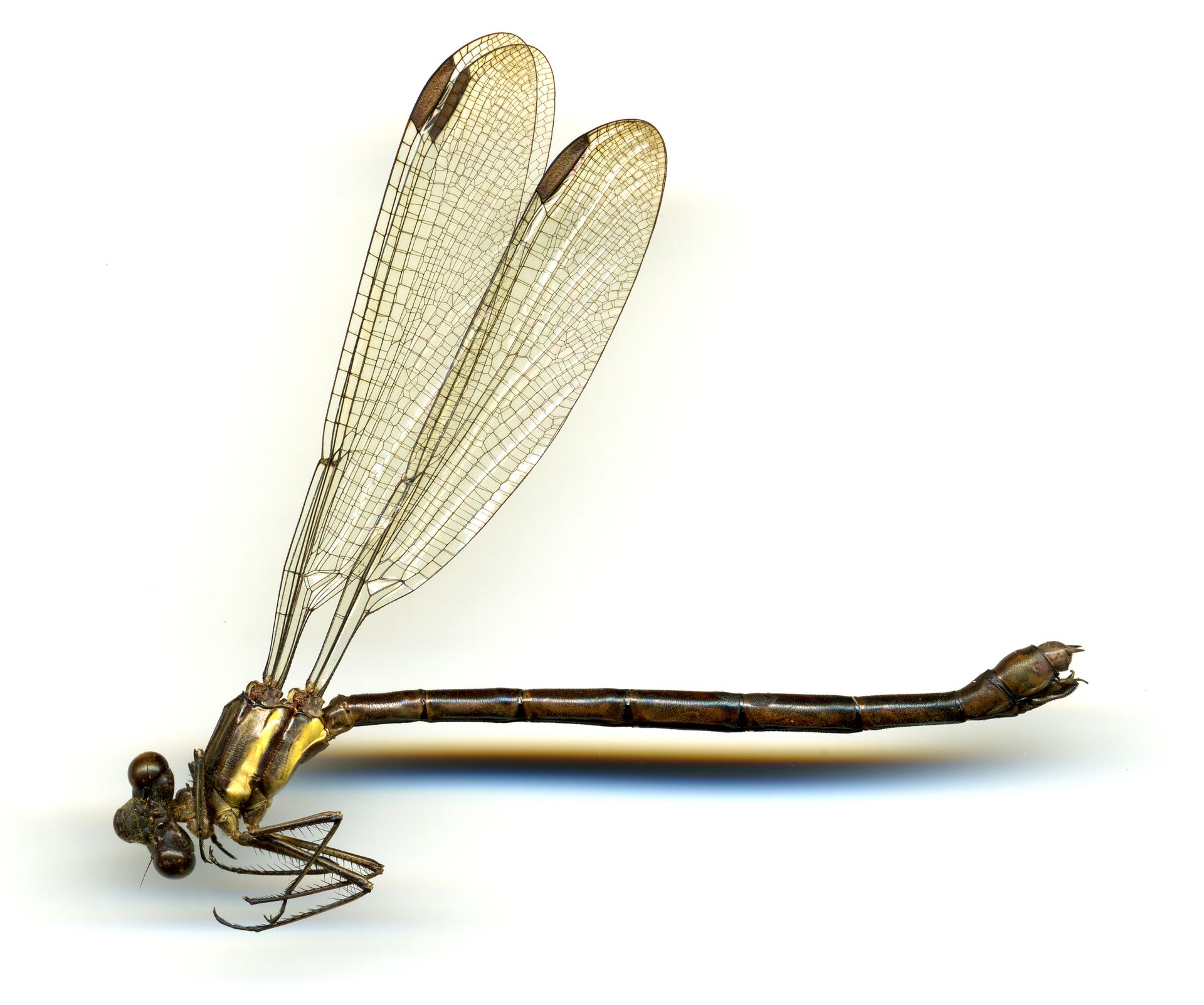
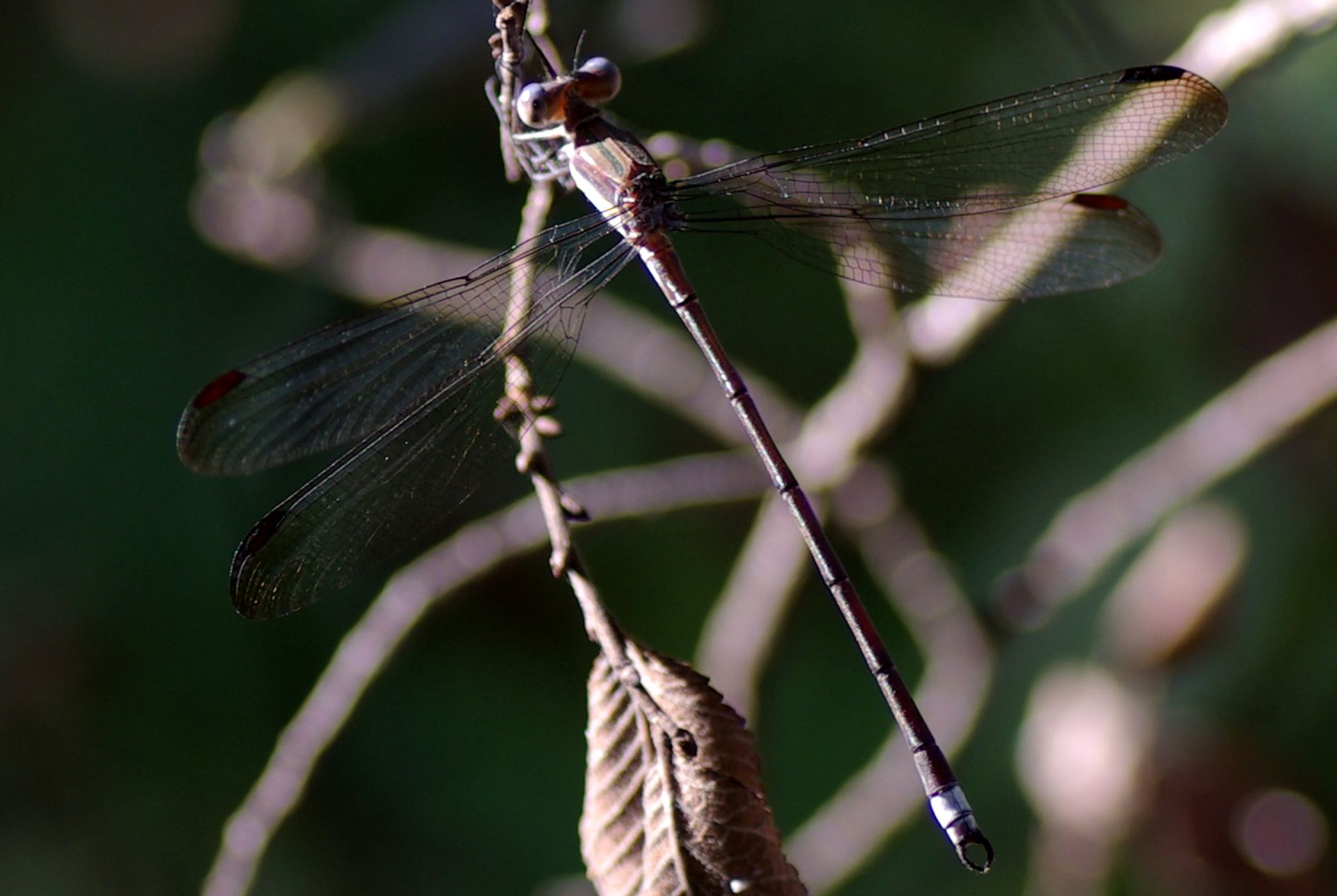
Archilestes grandis, commonly known as the Great Spreadwing, is a large in the Lestidae. It is one of the largest damselfly in North America, often mistaken for a due to its substantial size. The species is widespread across much of the United States and extends into Mexico and Central America. When startled, individuals frequently return to the same perch or one nearby.
Pronunciation
How to pronounce Archilestes grandis: /ˌɑːr.kɪˈlɛst.iːz ˈɡræn.dɪs/
These audio files are automatically generated. While they are not always 100% accurate, they are a good starting point.
Identification
Distinguished from other by its large size—substantially larger than typical pond damselflies (Coenagrionidae) and most other spreadwings. The spread-wing posture at rest separates it from pond damselflies that fold wings together above the body. Within Lestidae, size and geographic range help distinguish it from other Archilestes .
Images
Appearance
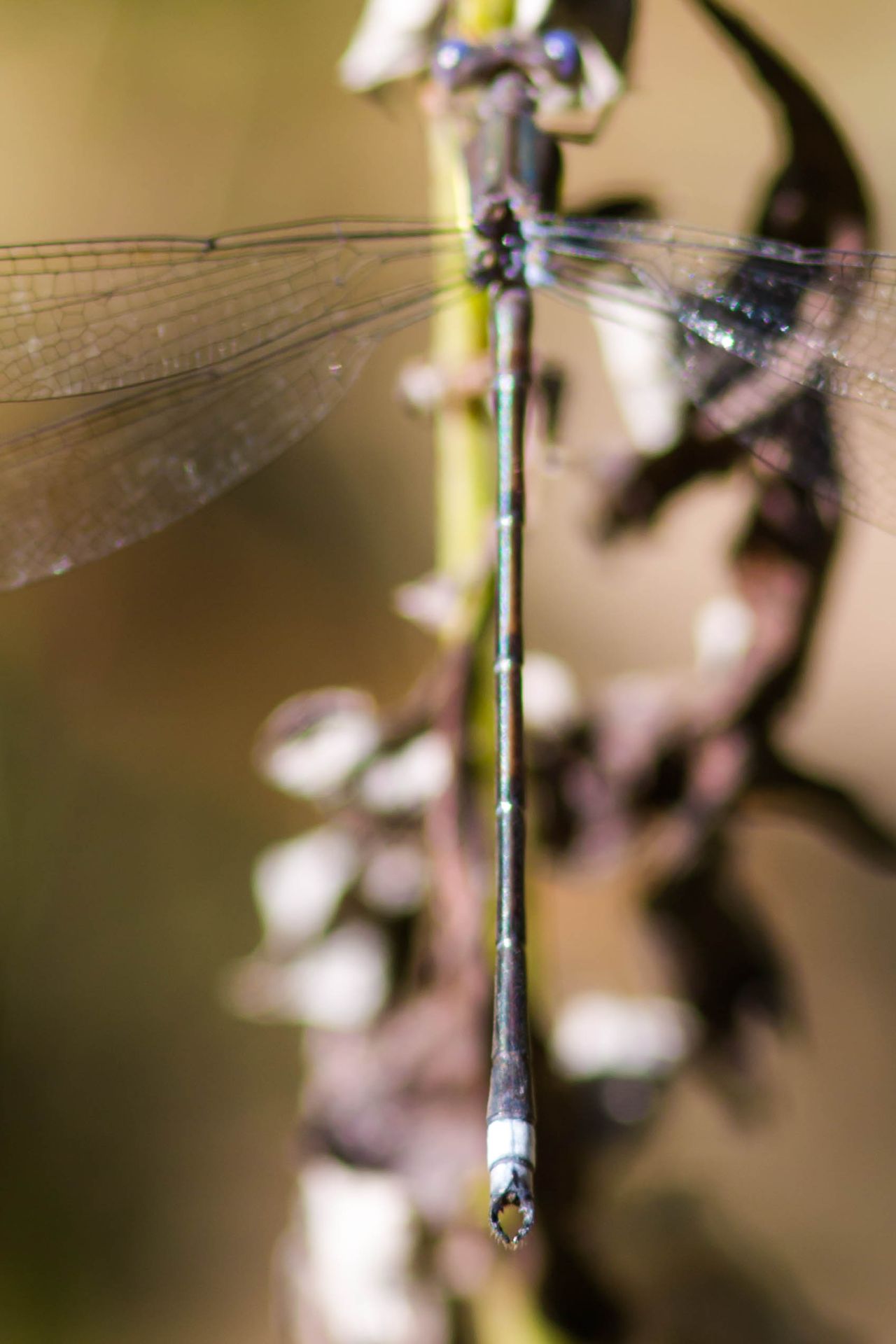
Large with a slender, elongated body. Wings are held spread apart when at rest, characteristic of the Lestidae. Body coloration includes metallic green and brown tones. Males have distinctive claspers at the tip of the . The is notably larger than most other damselflies, approaching proportions.
Habitat
Associated with slow-moving or still freshwater . Observed perching on reeds and vegetation along rivers. The was found along the Middle Fork of the Gila River in New Mexico.
Distribution
Widespread across much of the United States, extending south through Mexico into Central and South America. GBIF records confirm presence in North America, Middle America (including Oaxaca), and South America.
Seasonality
active in late summer; observation records from August in New Mexico suggest peak activity during this period.
Behavior
When startled, individuals often return to the same perch or a perch nearby. Males perch on vegetation over or near water. The exhibits typical patterns but with slower, more deliberate movements befitting its larger size.
Similar Taxa
- Dragonflies (Anisoptera)Large size causes initial misidentification; distinguished by wing venation, separation, and perching posture
- Other Lestidae (spreadwings)Share spread-wing resting posture; distinguished by larger size and geographic distribution
- Coenagrionidae (pond damselflies)Much smaller size and wings folded together above body at rest
More Details
Nomenclature
Originally described as Lestes grandis by Rambur in 1842; later transferred to Archilestes.
Conservation status
Common and widespread; not considered threatened.