
Zoniagrion exclamationis
(Selys, 1876)
Exclamation Damsel
Zoniagrion exclamationis, commonly known as the Exclamation Damsel, is a of in the Coenagrionidae. It is the sole species in its and is to western North America. The species was first described by Selys in 1876 and is recognized by its distinctive coloration and patterning. It is a relatively well-documented damselfly with over 300 observations recorded on citizen science platforms.
Pronunciation
How to pronounce Zoniagrion exclamationis: /ˌzoʊniˈæɡriən ɛksˌklæməˈnʃiˌoʊnɪs/
These audio files are automatically generated. While they are not always 100% accurate, they are a good starting point.
Identification
Distinguished from other western North American damselflies by the unique thoracic pattern resembling an exclamation mark. The Zoniagrion is , so identification to genus level confirms the . Similar coenagrionid damselflies in the same range include species of Enallagma and Argia, which lack the distinctive thoracic marking and have different abdominal patterning. Examination of the mesostigmal plates may be necessary for definitive identification in females.
Images
Appearance
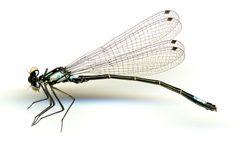
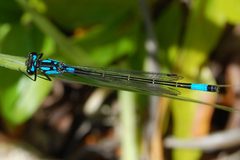
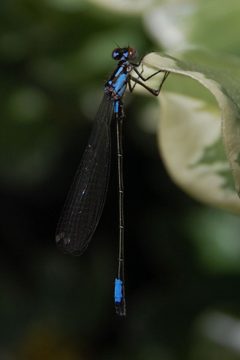
are small damselflies with slender bodies typical of the Coenagrionidae. The specific epithet 'exclamationis' refers to a distinctive exclamation mark-like pattern on the or . Coloration includes blue and black markings, with males showing brighter coloration than females. The are widely separated, characteristic of damselflies (Zygoptera). Wings are narrow, transparent, and held together above the body when at rest.
Habitat
Associated with slow-moving or still freshwater including ponds, marshes, and stream backwaters. Vegetation in and around water bodies is important for perching and oviposition. Specific microhabitat preferences within these systems are not well documented.
Distribution
to western North America. Documented from California and surrounding regions. The has been recorded as present in North America generally according to GBIF distribution data.
Seasonality
are active during the spring and summer months, with peak activity typically occurring from April through September depending on locality and elevation. Exact timing varies with geographic location and weather conditions.
Life Cycle
Development includes , naiad (aquatic larval), and stages. Eggs are laid in aquatic vegetation. Naiads are aquatic that develop through multiple instars before emerging as adults. typically occurs in spring to early summer. Adults are short-lived, focusing on mating and oviposition. Specific details of development duration and number of per year are not well documented.
Behavior
perch on vegetation near water bodies. Males patrol territories and attempt to mate with receptive females. Females oviposit into aquatic vegetation, often with males in tandem position. Like other damselflies, they are visual of small flying insects.
Ecological Role
Naiads function as in freshwater , feeding on small aquatic . are aerial predators of small flying insects including and other small Diptera. They serve as prey for larger predatory insects, birds, and other vertebrates.
Human Relevance
Not an economically significant . Of interest to odonatologists and naturalists. Recorded in citizen science databases with over 300 observations on iNaturalist, contributing to understanding of its distribution and .
Similar Taxa
- Enallagma speciesSimilar size and general body form, but lack the distinctive exclamation mark thoracic pattern and have different abdominal color patterns.
- Argia speciesShare and general appearance, but Argia damselflies typically have more robust bodies and different thoracic stripe patterns.
More Details
Taxonomic History
Originally described as Agrion? exclamationis by Selys in 1876, the was later transferred to the Zoniagrion. The genus placement has remained stable, though the higher classification within Coenagrionidae has been subject to revision.
Conservation Status
Not evaluated by IUCN. The appears to be locally common within its restricted range, but loss and water quality degradation in western North American freshwater systems may pose threats.