
Sympetrum vicinum
(Hagen, 1861)
Autumn Meadowhawk, Yellow-legged Meadowhawk
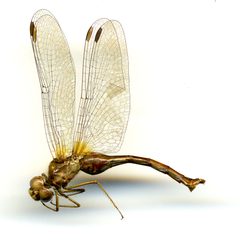
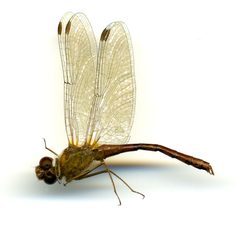
Sympetrum vicinum is a small in the skimmer Libellulidae, commonly known as the Autumn Meadowhawk or Yellow-legged Meadowhawk. measure 26–35 mm in length and are distinguished by their yellow legs and late-season period. This exhibits two disjunct in North America—one in the eastern United States and Canada, and another in the Pacific Northwest. It is notable for flying later into autumn than any other dragonfly species in its western range, with observations extending into November.
Pronunciation
How to pronounce Sympetrum vicinum: /sɪmˈpɛtrəm ˈvɪsɪnəm/
These audio files are automatically generated. While they are not always 100% accurate, they are a good starting point.
Identification
Yellow legs are diagnostic and reflected in . Late season (into October–November) separates it from most sympatric meadowhawks. Small size and yellow-orange wing bases help distinguish from larger skimmers. Males distinguished from other Sympetrum by combination of red , blackish , and yellow legs. Females may resemble other brown meadowhawks but yellow legs and late-season occurrence are key.
Images
Habitat
Marshes, ponds, and slow-moving streams. Naiads inhabit debris on bottoms of lakes and ponds. perch on rocks and bare branches.
Distribution
Two disjunct in North America. Eastern population: Ontario east to Nova Scotia, south to Texas and Florida. Western population: British Columbia, Washington, Oregon, and Idaho.
Seasonality
season late July to early November. Flies later in fall than any other in the Northwest; latest observations October 29 in Idaho, into November in Washington.
Diet
Naiads feed on aquatic insects including mosquito larvae, other aquatic fly larvae, larvae, freshwater shrimp, and occasionally very small fish and tadpoles. capture soft-bodied flying insects including mosquitoes, flies, small , mayflies, and flying ants or .
Life Cycle
stage laid near shoreline by dipping into water surface while flying in tandem with male. Naiad stage aquatic, inhabiting bottom debris, ambush strategy. to occurs at night. Adult stage aerial, reproductive.
Behavior
Naiads are sit-and-wait , not actively pursuing prey. Naiads emerge at night to transition to . Adults hunt from perches on rocks or bare branches. Bask on rocks early in day to absorb heat ( referenced in name Sympetrum, meaning 'with rock'). Adults fly in tandem during oviposition, with male attached to female as she dips to water surface. Large form during oviposition, with abundant pairs flying and laying in tandem.
Ecological Role
in both aquatic (naiad) and terrestrial/aerial () . Naiads control of aquatic insects and small aquatic vertebrates. Adults consume flying insects. Serves as prey for fish, including observed by largemouth bass on ovipositing pairs.
Human Relevance
Subject of ecological and behavioral research, particularly regarding late-season patterns and aggregating oviposition . Observations contribute to understanding of reproductive and wetland dynamics.
Similar Taxa
- Other Sympetrum speciesShare similar body plan and meadow use; distinguished by yellow legs, late season, and specific color patterns of and .
- Other LibellulidaeMany skimmers overlap in ; S. vicinum separated by small size, yellow legs, and autumn period.
More Details
Aggregating oviposition behavior
Research has documented that females exhibit aggregating during -laying, with large numbers of pairs flying and laying eggs in tandem simultaneously. This behavior may increase individual risk from but could provide benefits through predator satiation or mate-finding .
Predation during reproduction
Largemouth bass (Micropterus salmoides) have been observed following mated pairs as they fly just above water surface, consuming them when they touch down to lay .
Conservation status
are considered widespread, abundant, and secure.