
Anax longipes
Hagen, 1861
Comet Darner
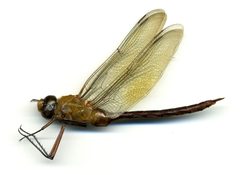
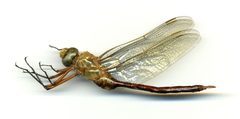
Anax longipes, commonly known as the Comet Darner, is a in the Aeshnidae. It is a common North American species with a distinctive appearance and migratory . are large, powerful fliers that prey on other insects in . The species is part of the Migratory Dragonfly Partnership monitoring program due to its seasonal movements.
Pronunciation
How to pronounce Anax longipes: /ˈænæks ˈlɔŋɪpiːz/
These audio files are automatically generated. While they are not always 100% accurate, they are a good starting point.
Identification
Large with a green and blue in males; females may have greenish or brownish coloration. meet at the top of the . Distinguished from other Anax by specific thoracic patterning and abdominal coloration.
Images
Habitat
Associated with wetlands, ponds, and lakes where nymphs develop. forage over open areas including fields and meadows.
Distribution
North America; recorded from Vermont and throughout eastern and central United States. Global distribution present but primarily Nearctic.
Seasonality
Active during warmer months; migratory with northward movement in spring and southward return in fall.
Diet
are aerial capturing flying insects including mosquitoes and other small insects. Nymphs are aquatic predators of other insects.
Life Cycle
: , nymph (aquatic), . Nymphs are aquatic before emerging as winged adults.
Behavior
Migratory traveling north in spring and returning to southern in fall. are strong, agile fliers that capture prey in mid-air using spiny legs.
Ecological Role
Important in wetland ; nymphs control aquatic insect , reduce flying insect numbers including mosquitoes. Serves as prey for birds, fish, and frogs.
Human Relevance
Subject of citizen science monitoring through the Migratory Partnership. Valued for mosquito control and as indicator of wetland health.
Similar Taxa
- Anax juniusCommon Green Darner; also migratory and large but differs in thoracic striping and abdominal coloration
- Other AeshnidaeLarge that meet dorsally and powerful shared; distinguished by specific color patterns and body proportions
Sources and further reading
- BugGuide
- GBIF taxonomy match
- iNaturalist taxon
- NCBI Taxonomy
- Catalogue of Life
- Bugs in orange and black: Three assassins - milkweed assassin bug, Zelus longipes; orange assassin bug, Pselliopus barberi; and wheel bug, Arilus cristatus — Bug of the Week
- Bugs in orange and black – Three spooky assassins: milkweed assassin bug, Zelus longipes; orange assassin bug, Pselliopus barberi; and wheel bug, Arilus cristatus — Bug of the Week
- ESA Insect Macrophotography Workshop | Beetles In The Bush
- Friday Flower – Dwarf Spiderwort | Beetles In The Bush
- Bug Eric: Sundew Assassin Bugs: Zelus
- Citizen Scientists Needed for the Migratory Dragonfly Partnership