
Apertochrysa
Tjeder, 1966
Species Guides
4- Apertochrysa luctuosa
- Apertochrysa macleodi
- Apertochrysa perfecta(Perfect Green Lacewing)
- Apertochrysa sierra
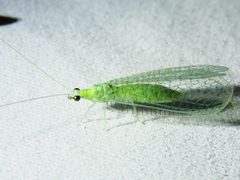
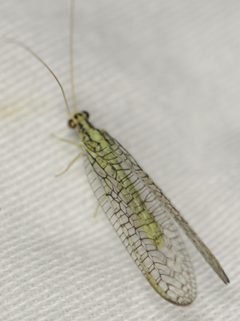
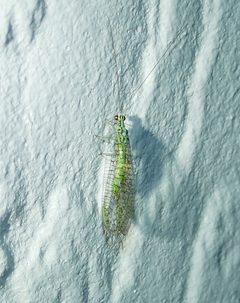
Apertochrysa is a of green lacewings in the Chrysopidae, comprising 183 described . The genus has undergone substantial taxonomic revision, having been previously classified under the names Navasius, Dichochrysa, and Pseudomallada before being synonymized under Apertochrysa in 2021. It is a subcosmopolitan genus with the majority of species distributed in the Palearctic region, particularly Asia and Africa. Species in this genus are of soft-bodied insects and some exhibit debris-carrying as larvae.
Pronunciation
How to pronounce Apertochrysa: /əˌpɜrtoʊˈkraɪsə/
These audio files are automatically generated. While they are not always 100% accurate, they are a good starting point.
Images
Distribution
Subcosmopolitan; majority of from the Palearctic region, particularly Asia and Africa.
Sources and further reading
- BugGuide
- Wikipedia
- GBIF taxonomy match
- iNaturalist taxon
- NCBI Taxonomy
- Catalogue of Life
- Studies on the predator Apertochrysa astur (Banks) (debris carrying green lacewing) on invasive coconut whiteflies
- Effects of host plants and substrate colour on the oviposition behaviour of green lacewing Apertochrysa astur (Banks) (Neuroptera: Chrysopidae)
- Host plant–herbivore–predator interaction effects and projection estimates of Apertochrysa astur Banks reared on Aphis gossypii Glover
- Selectivity of few chemical insecticides and entomopathogenic fungi Cordyceps fumosorosea on the parasitoid Encarsia guadeloupae and on the predator Apertochrysa astur in coconut
- Life cycle, age and stage-specific life table parameters of green lacewing, Apertochrysa astur (Banks) (Neuroptera: Chrysopidae) fed on invasive coconut rugose spiralling whitefly, Aleurodicus rugioperculatus Martin
- Biology of green lacewing, Apertochrysa astur (Banks) (Neuroptera: Chrysopidae) and its predatory potential against invasive Rugose Spiralling Whitefly, Aleurodicus rugioperculatus Martin and Bondar’s Nesting Whitefly, Paraleyrodes bondari Peracchi (Hemiptera: Aleyrodidae) of coconut
- Laboratory assays to test Cordyceps (= Isaria ) fumosorosea , spirotetramat, flupyradifurone and imidacloprid against the parasitoid Encarsia guadeloupae and predator Apertochrysa astur