
Acoloithus
Clemens, 1860
Species Guides
2- Acoloithus falsarius(Clemens' false skeletonizer)
- Acoloithus novaricus
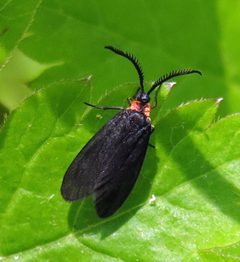
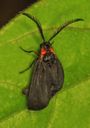
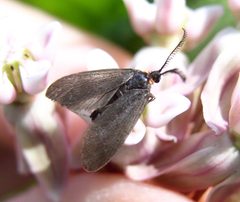
Acoloithus is a of in the Zygaenidae, established by Clemens in 1860. The genus contains three described : A. falsarius, A. novaricus, and A. rectarius. These moths are known as false skeletonizers, a name reflecting their superficial resemblance to skeletonizer moths in other families. They occur in North America.
Pronunciation
How to pronounce Acoloithus: //ˌæ.kəˈlɔɪ.θəs//
These audio files are automatically generated. While they are not always 100% accurate, they are a good starting point.
Identification
in this are distinguished by their placement in the Zygaenidae, which typically features or with metallic coloration and simple . The genus name 'false skeletonizer' distinguishes them from true skeletonizers (family Erebidae). Specific identification to species level requires examination of genitalia and wing pattern details.
Images
Distribution
North America. Distribution records include the United States, with specific observations from Vermont.
Similar Taxa
- HarrisinaAlso called skeletonizers; Acoloithus is distinguished as 'false' skeletonizer due to convergent and possibly similar larval feeding damage patterns, but belongs to different (Zygaenidae vs. Zygaenidae differences—actually both in Zygaenidae, requiring clarification: Harrisina is in Procridinae, same subfamily; distinction is at level based on )
- Erebidae skeletonizersTrue skeletonizers in Erebidae; Acoloithus is in Zygaenidae, separated by family-level characters including and larval
More Details
Etymology
The 'false skeletonizer' reflects historical confusion with skeletonizer ; the name Acoloithus is of unclear derivation.