Paraswammerdamia nebulella
(Goeze, 1783)
Hawthorn Ermel
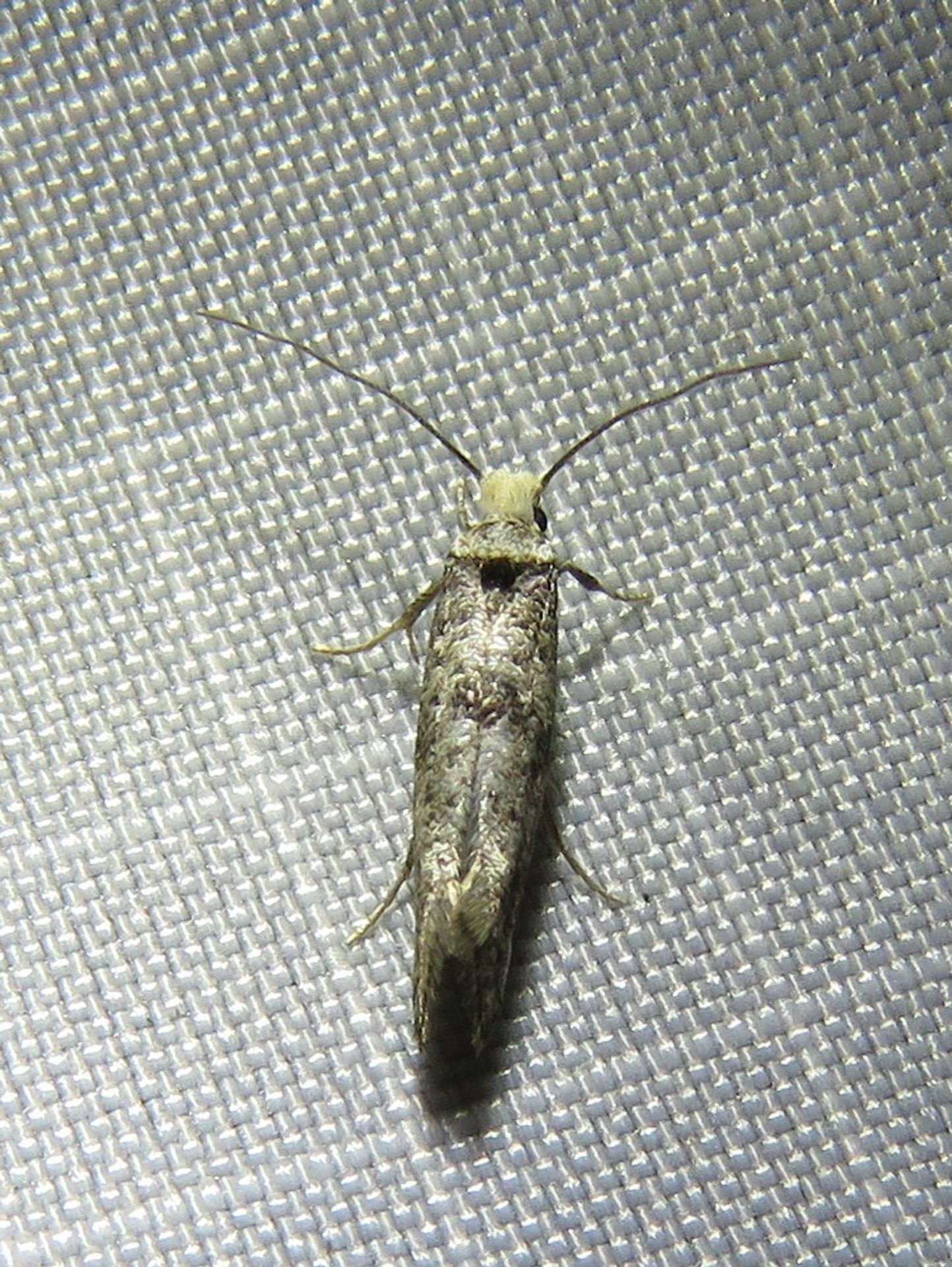
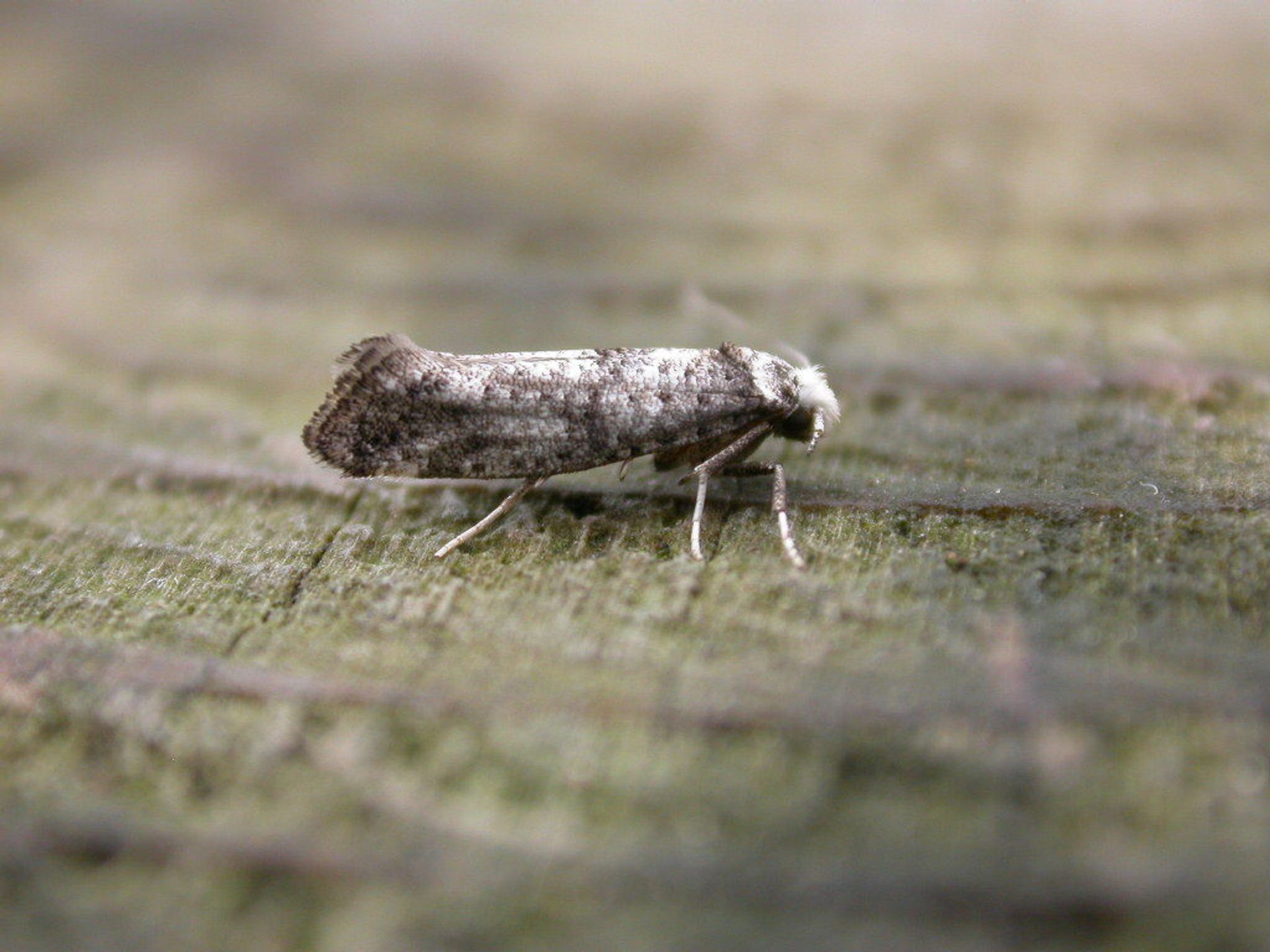
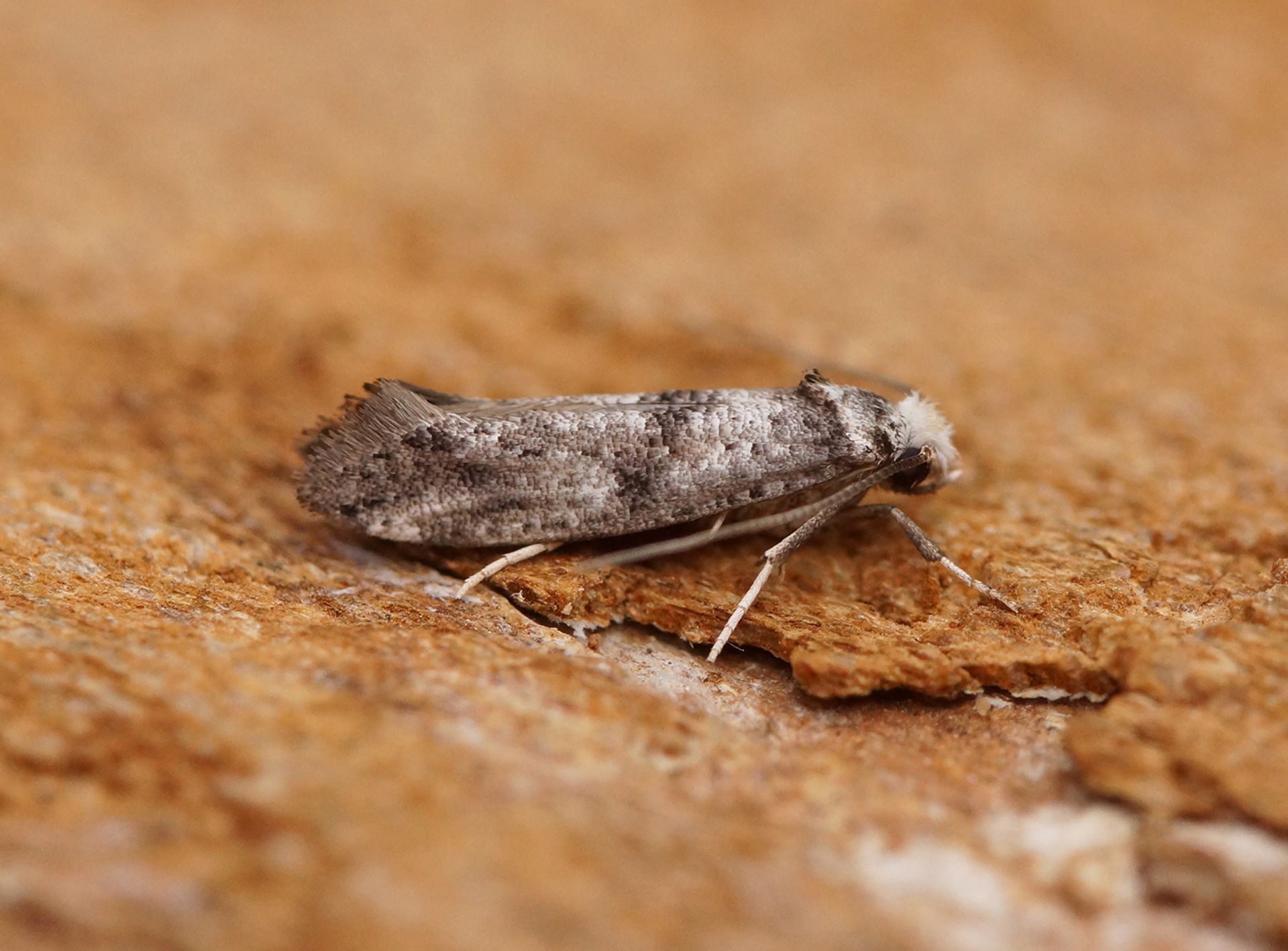
Paraswammerdamia nebulella, known as the Hawthorn Ermel, is a small in the Yponomeutidae. The is primarily associated with hawthorn (Crataegus) as a larval plant. It is distributed across Europe, with records from multiple countries including Sweden. The species has been historically confused with P. lutarea, which is now treated as a synonym.
Pronunciation
How to pronounce Paraswammerdamia nebulella: /ˌpærəˌswæmərˈdeɪmiə ˌnɛbjʊˈlɛlə/
These audio files are automatically generated. While they are not always 100% accurate, they are a good starting point.
Identification
Distinguished from other Paraswammerdamia by forewing coloration and pattern, though definitive identification often requires genitalia examination. P. nebulella tends to have more distinctly mottled forewings compared to the clearer patterning of some . The species is separable from the related P. conspersella by subtle differences in wing markings and genitalia structure.
Images
Habitat
Associated with containing hawthorn, including hedgerows, scrubland, woodland edges, and orchards. Larvae occur within hawthorn foliage.
Distribution
Europe, with confirmed records from Sweden and widespread occurrence across central and northern European countries. Distribution closely follows the range of its hawthorn plant.
Seasonality
are active from June to August, with peak period in July. Larval feeding occurs in spring and early summer.
Diet
Larvae feed on hawthorn (Crataegus ), mining within leaves or feeding externally on foliage. feeding habits are not well documented.
Host Associations
- Crataegus - larval plantPrimary ; larvae feed on leaves
Life Cycle
are laid on hawthorn foliage. Larvae feed on leaves, initially as leaf miners then externally. occurs in a cocoon on the ground or in leaf litter. emerge in summer. Single per year ().
Behavior
Larvae are gregarious in early instars, dispersing as they mature. are and attracted to light.
Ecological Role
Herbivore; contributes to nutrient cycling through leaf consumption and serves as prey for and .
Human Relevance
Minor significance; occasionally noted in orchards but not considered a pest of economic importance. Of interest to lepidopterists and naturalists.
Similar Taxa
- Paraswammerdamia conspersellaSimilar size and ; distinguished by clearer forewing patterning and genitalia differences
- Swammerdamia pyrellaFormerly confused due to similar plants and appearance; now placed in separate
Misconceptions
The name P. lutarea has been used interchangeably with P. nebulella in older literature, causing taxonomic confusion now resolved by synonymy.
More Details
Taxonomic history
The has undergone repeated taxonomic revision, with P. lutarea (Haworth, 1828) now synonymized under P. nebulella (Goeze, 1783), which has priority.