Eulia
Hübner, 1825
brassy tortrix
Species Guides
1- Eulia ministrana(Ferruginous Eulia Moth)
Eulia is a of leafroller moths in the Tortricidae, Tortricinae. The genus contains at least two : E. ministrana (the brassy tortrix) and E. pinatubana (the pine tube moth). Larvae of E. pinatubana construct distinctive silk-bound tubes from pine needles, feeding concealed within them. E. ministrana has been studied for its response to industrial pollution, showing significant decline in heavily polluted without exhibiting morphological stress indicators.
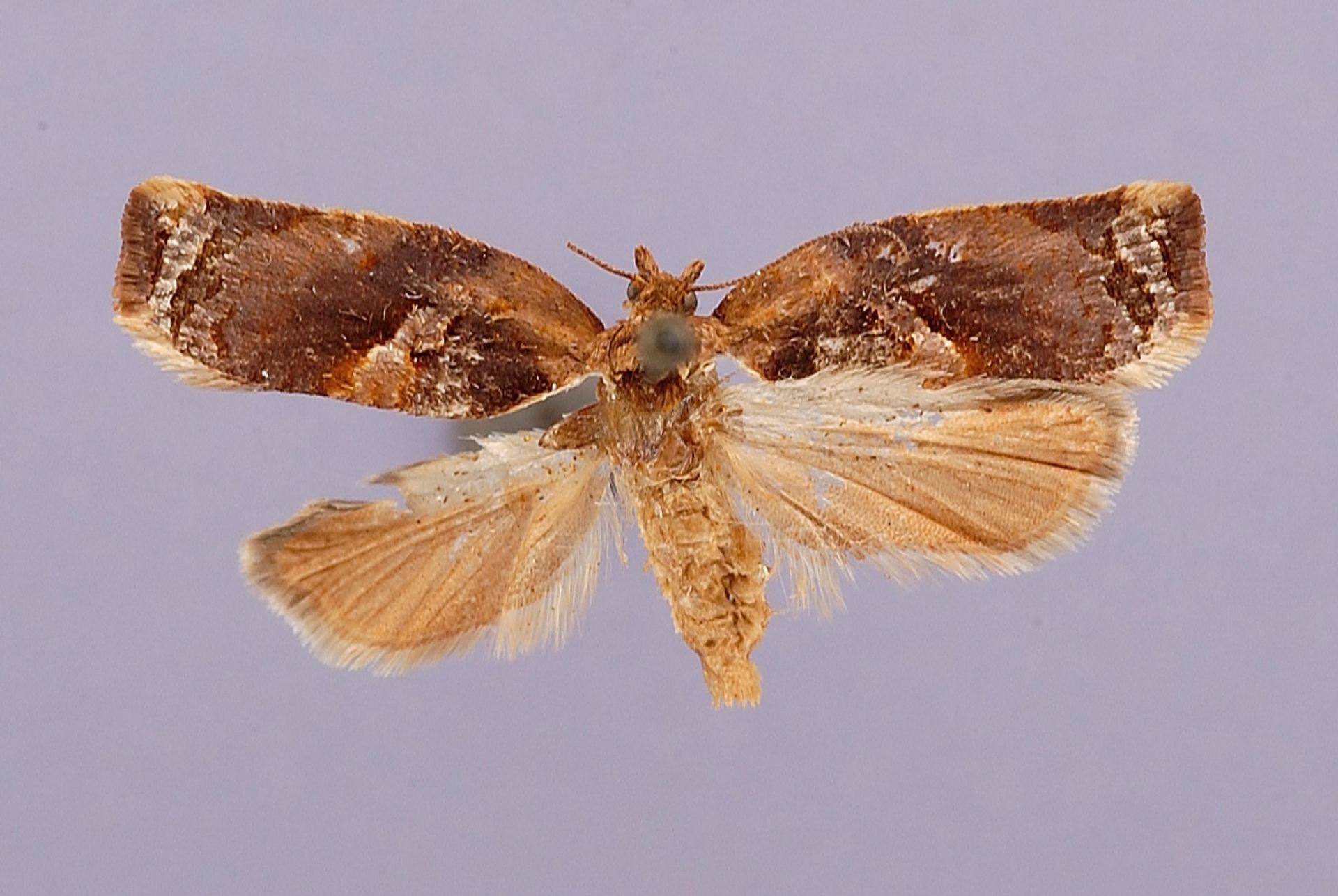
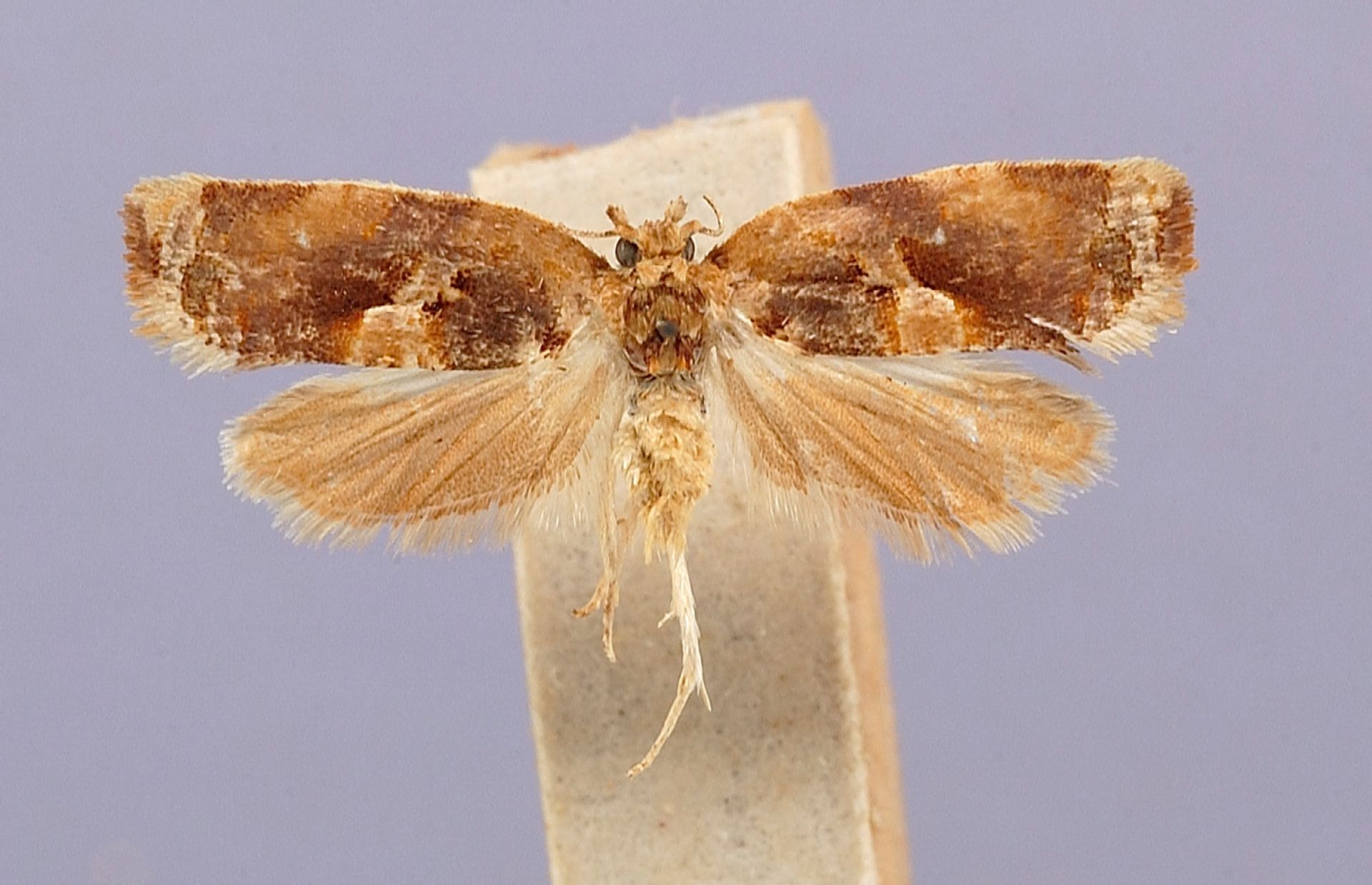

Pronunciation
How to pronounce Eulia: /ˈjuːliə/
These audio files are automatically generated. While they are not always 100% accurate, they are a good starting point.
Images
Habitat
E. pinatubana: pine forests, where larvae inhabit needle tubes. E. ministrana: subarctic forests, with documented along pollution gradients from unpolluted forest to heavily polluted industrial barrens.
Distribution
Records from Denmark, Norway, Sweden, and Vermont (USA).
Diet
E. pinatubana: larvae feed on pine (Pinus) needles. E. ministrana: diet not specified in available sources.
Host Associations
- Pinus - E. pinatubana larvae feed on pine needles and construct feeding tubes from them
Life Cycle
E. pinatubana: complete ; larvae form tubes by webbing together pine needles with silk and feed while concealed within these structures.
Behavior
E. pinatubana: larvae construct characteristic tubes by binding pine needles together with silk, feeding within these concealed shelters.
Ecological Role
E. pinatubana: defoliator of pine trees; potential pest .
Human Relevance
E. pinatubana has potential economic significance as a pest of pine. E. ministrana has been used as a study organism for understanding insect responses to environmental pollution, specifically demonstrating that decline can occur without visible morphological stress responses.
Similar Taxa
- Other Tortricidae leafrollersEulia can be distinguished by their specific associations and larval : E. pinatubana by its distinctive pine needle tube construction, and E. ministrana by its occurrence in subarctic forest .
More Details
Pollution Response Research
A study of E. ministrana in northwestern Russia found that declined 5- to 10-fold along a pollution gradient from unpolluted forest to heavily polluted industrial barren near a -nickel smelter. Notably, wing length actually increased by 10% in polluted areas, and neither forewing melanization nor fluctuating asymmetry in wing venation showed changes. This finding challenges the assumption that morphological stress indicators can reliably predict population vulnerability to pollution.