
Cochylichroa
Obraztsov & Swatschek, 1958
Species Guides
7- Cochylichroa arthuri(Arthur's sunflower moth)
- Cochylichroa aurorana(Pink-mottled Cochylichroa Moth)
- Cochylichroa avita
- Cochylichroa hoffmanana(Hoffman's Cochylid Moth)
- Cochylichroa hospes(Banded Sunflower Moth)
- Cochylichroa temerana
- Cochylichroa viscana
Cochylichroa is a of tortricid moths in the Tortricidae. The genus was redefined in 2019 to include nine based on phylogenetic analysis; most were previously classified under the genus Conchylis. It contains several notable species including the banded sunflower (C. hospes) and Arthur's sunflower moth (C. arthuri).
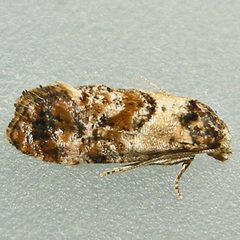
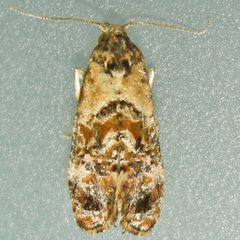
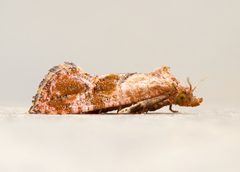
Pronunciation
How to pronounce Cochylichroa: /ˈkɒkɨlɪˌkrəʊə/
These audio files are automatically generated. While they are not always 100% accurate, they are a good starting point.
Identification
Cochylichroa can be distinguished from related by phylogenetic relationships established in 2019, which separated them from Conchylis. The genus is characterized by shared derived traits identified through molecular analysis rather than single obvious morphological features.
Images
Distribution
Primarily North America, with one Palearctic (Cochylichroa atricapitana) occurring in Europe and Asia. Distribution records include Denmark, Norway, Sweden, Vermont (USA), and other US locations.
Host Associations
- sunflower - herbivoreCochylichroa arthuri (Arthur's sunflower ) and C. hospes (banded sunflower moth) are associated with sunflower
Human Relevance
Cochylichroa hospes (banded sunflower ) and C. arthuri (Arthur's sunflower moth) are recognized as pests of sunflower crops.
Similar Taxa
More Details
Taxonomic History
The was originally described by Obraztsov & Swatschek in 1958 but was not widely recognized until its redefinition in 2019. Some taxonomic databases still list Cochylichroa as a synonym of Cochylis, reflecting ongoing taxonomic debate.
Species Count
The currently contains nine : C. arthuri, C. atricapitana, C. aurorana, C. avita, C. foxcana, C. hoffmanana, C. hospes, C. temerana, and C. viscana.